SK hynix reported third-quarter operating profit of KRW 83.3338 trillion on Oct. 28. That means about 80 of every 100 won in sales was left as operating profit. The company said its DRAM and HBM supply is "effectively all sold out" through 2029, and the same day KOSPI (Korea's main stock index) rose 6.6% and SK hynix shares jumped 11%.
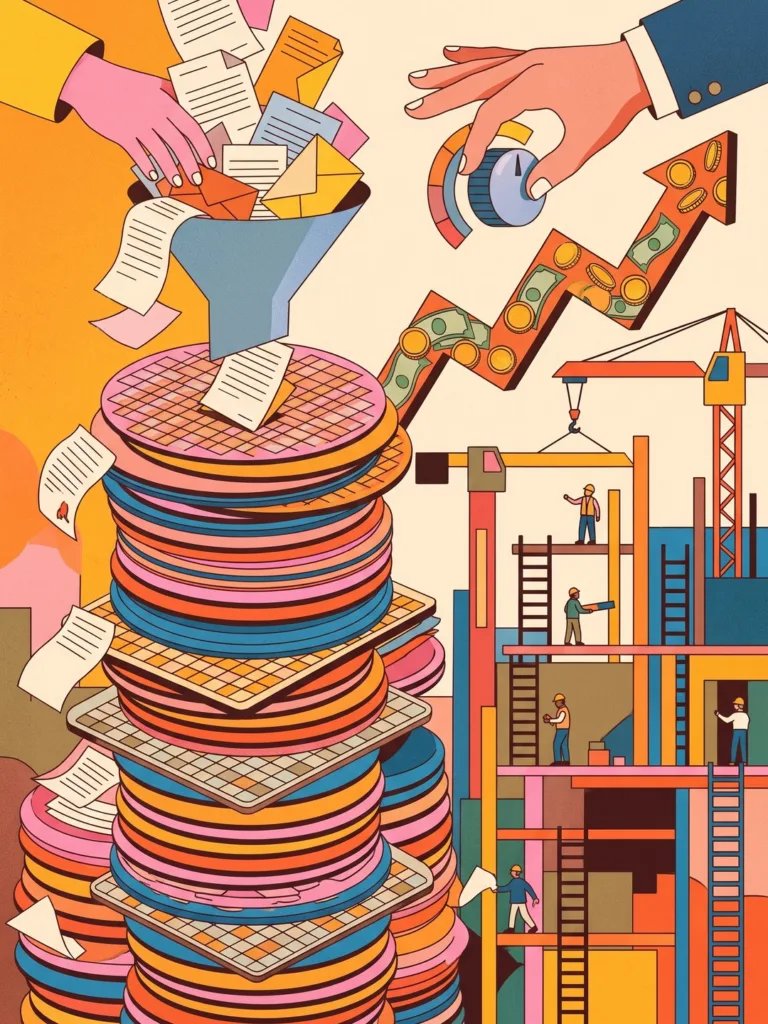
The common reading goes like this: three years of output are sold, so profit is sure to keep growing. But the key point is elsewhere. Sold out also means there is nothing left to sell. What can grow profit from here is not volume but price and new factories.
- KRW 83 trillion and three years sold out: why did the market react this way?
Third-quarter sales were KRW 104.6155 trillion, the first time quarterly sales have topped KRW 100 trillion. Operating profit was up 632% from a year earlier and well above the market forecast of KRW 76 trillion. Compared with the previous quarter, sales rose 32% and operating profit 38%.
Put simply, a company that was already earning a lot earned far more than expected, and the buyers of the next three years of output are already settled. The company expects the memory supply shortage to last through 2030. Samsung Electronics shares also rose 9% that day.
- Why does sold out also mean it cannot sell more?
A memory maker can sell only as much as its factories produce. SK hynix said customers want more than twice what it can supply today. However strong demand is, it cannot sell more than it can make.
Think of a neighborhood bakery booked solid for three years. If the oven bakes 100 loaves a day, it sells 100 no matter how many customers show up. To earn more, it has to raise its prices or add ovens. Unlike the bakery, though, SK hynix's prices are partly locked in by contracts.
- So can higher prices lift profit?
SK hynix has signed long-term supply agreements with 14 major customers, including big global cloud companies. The contracted volume is at least 50% of its 2027 and 2028 production capacity. The contracts typically run five years, and prices reflect market conditions within a range agreed with each customer.
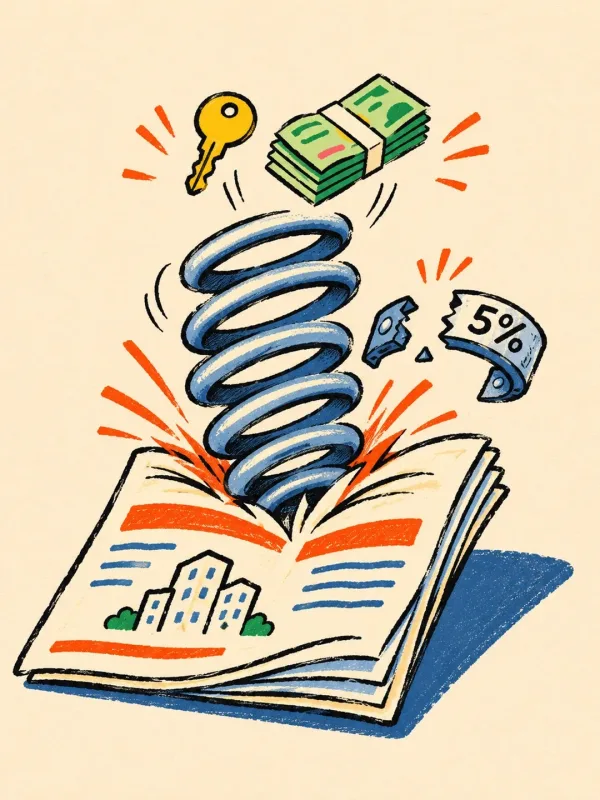
A range means that even if memory prices surge, the price on contracted volume stays inside that range. It is like a jeonse (Korea's lump-sum deposit lease) tenancy, where a landlord cannot raise the deposit to market level mid-lease. The difference is that these contracts do reflect market conditions within the agreed range.
Say volume stays flat and prices rise 10% on average. Third-quarter sales of KRW 104.6 trillion would become about KRW 115 trillion, and if costs stay the same, the extra KRW 10 trillion or so would be added to operating profit (an assumed calculation). But higher prices bring a burden too. The company expects demand from PC and smartphone makers to weaken as memory prices rise.
- When will the new factories that add volume start running?
The way to raise the ceiling on volume is to build more factories. By year-end, SK hynix plans to push the Cheongju M15X (a new memory fab in Cheongju, North Chungcheong) to full capacity and expand HBM4 output. Next comes the first fab of the Yongin semiconductor cluster. The company expects its investment to rise sharply in 2027, when that fab is due to start full operation.
Still, the company said it will adjust the scale and timing based on customer demand, profitability and investment efficiency. If a new factory starts late, the added volume arrives late. It is like ordering an oven that is installed late: until then, the number of loaves stays the same.
- What is inside "sold out"?
In the company's own words, it is sold out "considering the long-term supply agreements already secured and the contracts under discussion with current customers." So the sold-out volume includes not only signed contracts but also volume still under discussion.
Volume under discussion is not yet a signed contract. Even though signed long-term contracts cover at least 50% of 2027 and 2028 capacity, the rest is still open. The company is building safeguards such as deposits into the contracts, and is discussing contracts longer than five years with some customers.
- BITPRESS Insight
The sold-out news removes worry about volume. But as long as volume is capped by the factories, two things decide whether profit grows further: how much prices rise within the contract ranges, and when M15X and the Yongin fab add volume.
That changes how to look at memory stocks. After profit has beaten market forecasts by this much, "how much did it sell" matters less than "at what price did it agree to sell" in deciding the next profit. The price at which the volume under discussion gets signed is the same question.
When a memory maker says "sold out," first work out whether that is a promise of profit or a ceiling on volume. For a company that has sold everything, the next profit is set not by volume but by price and by when the new factories start running.
Sources
https://news.mtn.co.kr/article/2026102811025946081
https://imnews.imbc.com/replay/2026/nwdesk/article/6861419_37005.html
https://www.coindesk.com/markets/2026/10/28/kospi-surges-7-as-sk-hynix-earnings-fuel-ai-stock-rebound
https://decrypt.co/382114/sk-hynix-record-quarter-ai-memory-demand
Glossary
HBM — Memory stacked right next to an AI chip that can move large amounts of data at once, used in AI servers.
Long-term supply agreement (LTA) — A contract that fixes volume and how prices are set several years ahead; SK hynix typically signs five-year ones.
Operating margin — The share of sales left as profit from the core business; at 80%, it kept 80 won of every 100 won sold.
Production capacity — The most a factory can make in a given period; for a memory maker, the ceiling on what it can sell.
Fab — The term for a factory that actually makes semiconductors.
BITPRESS articles are information to help your investment decisions, not a recommendation to buy or sell any stock or coin. Investment decisions and their results are your own responsibility.