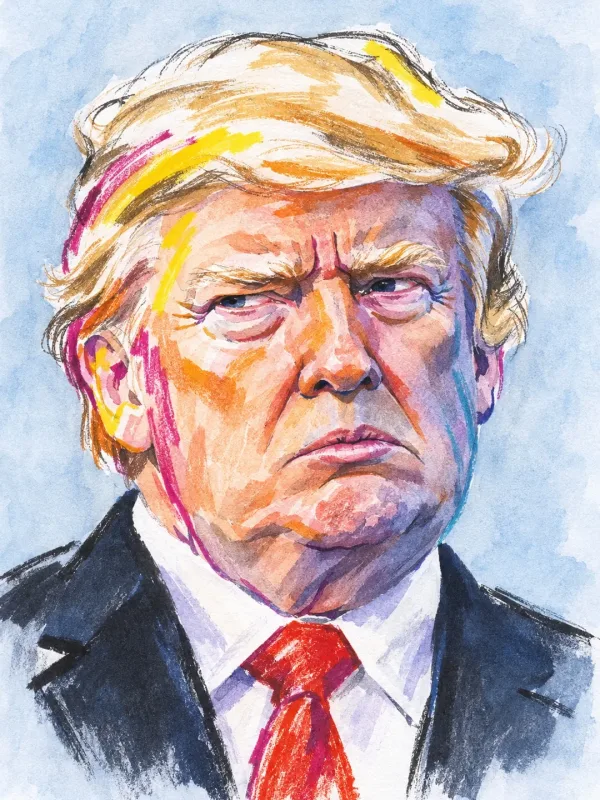

Crypto bills are pouring out of the U.S. Their names sound alike and their content seems to overlap, which is confusing, but each bill was designed to solve a different problem. How to regulate stablecoins, whether assets like Bitcoin and Ethereum are securities or commodities, whether the U.S. government should buy Bitcoin directly: each of these questions sits in a different bill. Here is a rundown of the content and status of the major bills as of May 2026.
1. GENIUS Act (U.S. stablecoin innovation act)
- Official name: Guiding and Establishing National Innovation for U.S. Stablecoins Act
- Status: Passed by Congress and signed by the president in July 2025
- Key points: The first comprehensive federal stablecoin law in the U.S. It strictly limits stablecoin issuance to institutions approved by federal or state governments and requires issued coins to be backed 1:1 by reserves in highly liquid, safe assets such as dollars or short-term Treasuries, to prevent bank runs and protect investors.
2. CLARITY Act (Digital Asset Market Clarity Act)
- Official name: Digital Asset Market Clarity Act of 2025
- Status: Senate Banking Committee negotiating amendments
- Key points: A comprehensive market structure bill that effectively carries on the purpose and role of the defunct FIT21. Its top goal is to clearly define the regulatory jurisdiction of the SEC and the CFTC over digital assets as a whole, including Bitcoin and Ethereum. Whether to allow interest payments on stablecoin holdings is one of the detailed issues being handled within this broad bill.
3. BITCOIN Act (Bitcoin strategic reserve act)
- Official name: Boosting Innovation, Technology, and Competitiveness through Optimized Investment Nationwide Act
- Status: Introduced in the Senate; amendments under discussion
- Key points: A bill for the U.S. government, led by the Treasury, to buy a total of 1 million Bitcoin over five years and hold them as a national strategic asset. Together with the Pentagon's recent moves to designate Bitcoin a cybersecurity asset, it is being discussed seriously within the National Defense Authorization Act framework as part of a strategy for national dominance.
4. FIT21 (Financial Innovation and Technology for the 21st Century Act)
- Official name: Financial Innovation and Technology for the 21st Century Act
- Status: Died automatically at the end of the 118th Congress
- Key points: A bill that sought to split regulatory jurisdiction by classifying crypto assets as “commodities” or “securities” depending on how decentralized their blockchain networks are. It raised hopes by passing the U.S. House in May 2024, but the Senate never took it up and it died when the session ended.
5. Gold Reserve Transparency Act
- Status: Under discussion in Congress
- Key points: A bill that would mandate an audit of U.S. gold reserves and revalue their book value at current market prices. It is being handled as a package with Bitcoin-related bills as part of a macro strategy to defend dollar dominance, and it matters because funds from the gold revaluation gain could be used to build a new ecosystem of digital security assets.
BITPRESS Insight
The most important turning point in U.S. crypto legislation right now is whether the CLARITY Act passes the Senate. If it does, the regulatory uncertainty the industry has complained about for over a decade would be resolved, giving institutional money a justification to flow in for real. If it is not handled before the 2026 midterm elections, however, discussion could be delayed again by at least two years.
There are two signals investors should watch. First, the Senate committee's schedule for reviewing the CLARITY Act. Once it clears committee, the bill will gain momentum quickly. Second, a possible link between the BITCOIN Act and the NDAA. If the defense budget bill includes a provision to buy Bitcoin, the market as a whole is likely to take it as a strong buy signal.
U.S. crypto legislation is not simply regulatory housekeeping. The view that it is a strategic choice by the U.S. to maintain dollar dominance into the digital age is gaining traction.
Sources
https://en.wikipedia.org/wiki/GENIUS_Act https://www.mayerbrown.com/en/insights/publications/2025/07/genius-act-signed-into-law-us-enacts-federal-stablecoin-legislation https://www.whitehouse.gov/fact-sheets/2025/07/fact-sheet-president-donald-j-trump-signs-genius-act-into-law/ https://www.fintechweekly.com/news/what-is-the-clarity-act-digital-asset-market-structure-explained-2026 https://www.fxleaders.com/news/2026/04/23/will-the-clarity-act-finally-pass-in-2026-senate-delay-sparks-crypto-market-panic/ https://defirate.com/clarity-act-fact-sheet/ https://www.lw.com/en/us-crypto-policy-tracker/legislative-developments https://www.congress.gov/bill/119th-congress/senate-bill/954 https://www.govtrack.us/congress/bills/118/hr4763