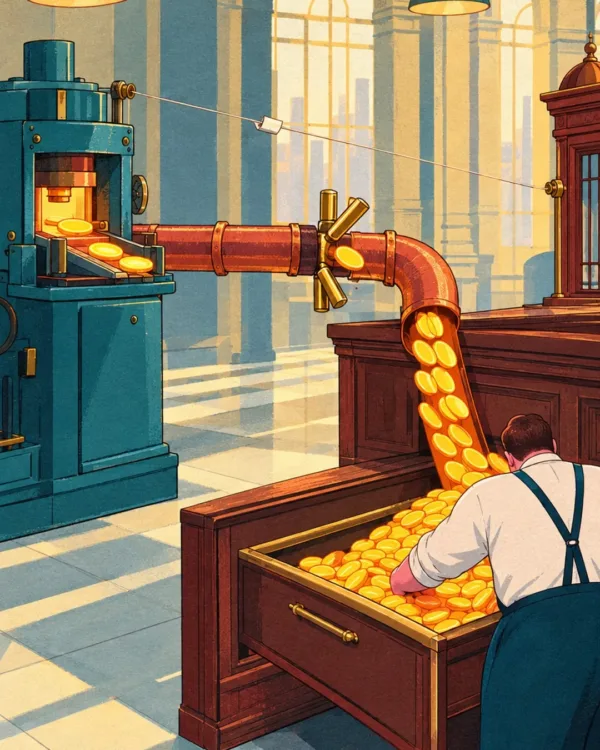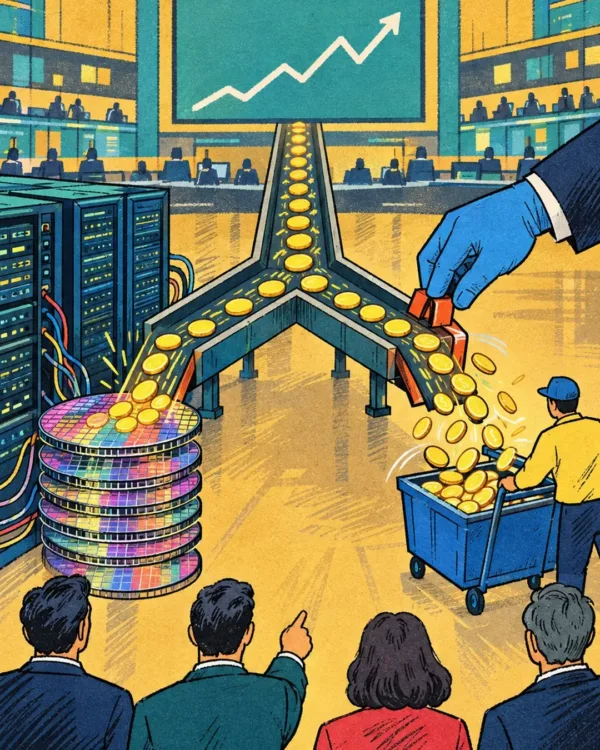

SK hynix recently announced it will cancel all of its treasury shares, worth a whopping KRW 12 trillion, setting the stock market alight. Cancelling treasury shares means a company permanently eliminates its own shares that it bought back from the market, and it is regarded as the most powerful reward for shareholders. Companies often pay dividends when they make a profit, but cancelling treasury shares frequently gives a much stronger boost to the share price than dividends. Today, using SK hynix as an example, we explain simply why share cancellation is called the crown jewel of shareholder returns and how it benefits your account.
- What is treasury share cancellation?
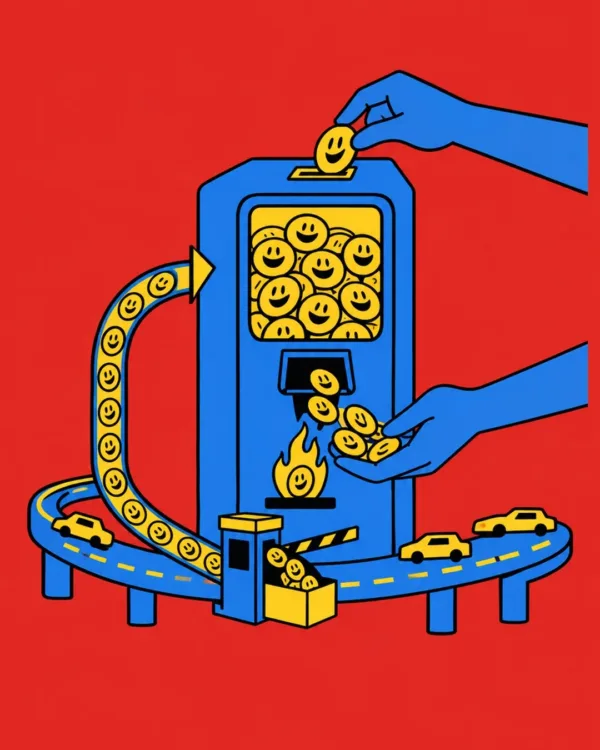
Treasury shares are shares a company has issued and then bought back with its own money and holds. Cancellation, as the word suggests, permanently deletes these held shares from the books, as if burning them. When the number of shares falls, the same principle applies as when the slice of pizza you hold gets bigger relative to the whole pie. The company’s total value stays the same while the total number of shares shrinks, so the value per share naturally rises.
- Does it raise my average purchase price?
Many beginner investors wonder whether share cancellation directly affects their average purchase price. The short answer is that your average price, the price you paid, does not change. But because the earnings per share (EPS) of the shares you hold rise, the likelihood of the share price actually going up increases significantly. For example, if a company earning KRW 10 billion has 100 shares, earnings per share are KRW 100 million; if it cancels 20 treasury shares and is left with 80, earnings per share rise to KRW 125 million. As a result, even though your average price stays the same, the value of the shares rises, giving a powerful boost to your account’s returns.
- Why does Apple burn its own shares so diligently?
The company known as the ultimate champion of share cancellation is Apple in the US. Over the past decade, Apple has spent hundreds of billions of dollars buying back and cancelling its own shares, which has been a key driver of its long-term rising share price. Even in periods of slowing growth, it steadily reduced its share count, defending per-share value and giving investors confidence. Apple’s case is regarded as the textbook example of how much a company can raise its value by using the money it earns not only for capital investment but also for shareholders.
- Why are Korean companies only now moving to cancel shares?
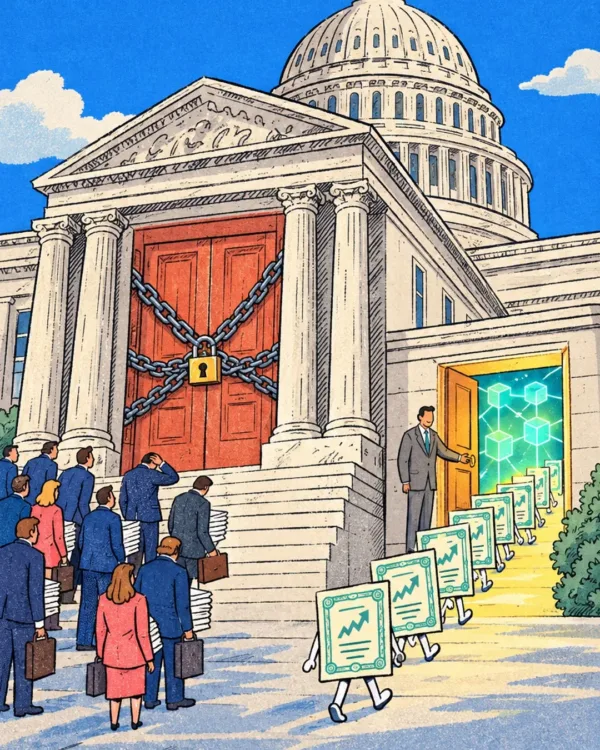
In the past, Korean companies preferred simply holding treasury shares rather than cancelling them, in order to use them as a tool to defend management control. If treasury shares are held without being cancelled, the share count stays the same, so per-share value does not rise and shareholders gain little. But with the government’s Corporate Value-up Program and growing calls for stronger shareholder rights, more companies like SK hynix are boldly deciding to cancel. Treasury shares that are merely held carry the uncertainty that they could be sold back into the market at any time, whereas cancellation permanently reduces the share count, so the market values it far more highly.
- The message behind SK hynix’s KRW 12 trillion cancellation
SK hynix’s decision goes beyond a one-off event; it is a symbolic sign that the paradigm of the Korean stock market is changing. It is effectively a declaration to investors worldwide that the company will share the money it earned from record results directly with its shareholders. This trend is expected to draw foreign investor demand and become a decisive turning point in resolving the Korea discount. Investors now need to look closely not only at how well a company makes money, but also at how actively it cancels shares with that money.
URL Slug: treasury-stock-cancellation-guide-sk-hynix
Tags: share cancellation, SK hynix, shareholder returns, Apple buybacks, earnings per share, EPS growth, Value-up, stock basics, personal finance, BITPRESS
#ShareCancellation, #SKhynix, #ShareholderReturns, #AppleBuybacks, #EarningsPerShare, #EPSGrowth, #ValueUp, #StockBasics, #PersonalFinance, #BITPRESS
BITPRESS Insight
Share cancellation is not just a fad; it is a sophisticated management strategy that maximizes a company’s capital efficiency. SK hynix’s KRW 12 trillion cancellation will be a far more powerful catalyst for share price gains than dividend yield, and it will put positive pressure on other large caps such as Samsung Electronics. It is time for individual investors to develop an eye for investing long term not simply in companies with high revenue, but in shareholder-friendly companies that make your shares scarcer through cancellation.