Seoul villa jeonse prices have risen to their highest since records began. In KB Real Estate's October monthly data, the Seoul jeonse price index (a number showing the level of jeonse prices against a base point) for townhouses/villas (low-rise multi-family homes) hit a record 101.6. Jeonse is a Korean lease in which the tenant pays a large lump-sum deposit instead of monthly rent and gets it back at the end.
The common reading is that apartment jeonse prices rose so much that renters spilled over into villas. That is not wrong. But the real point is elsewhere. Between 2021 and 2024, construction of new villas fell sharply, and that gap has now come back as a shortage of jeonse listings. So supply measures alone will not quickly increase the number of listings.
- Why did villa jeonse prices rise even as deals fell?
From Jan. 1 to Oct. 29 this year, jeonse deals for villas in Seoul came to 41,483, down 7.8% from 44,986 a year earlier. Yet the Seoul villa jeonse price index rose from 101.3 in August to 101.6 in October. Fewer deals would normally mean lower prices, but they moved the opposite way.
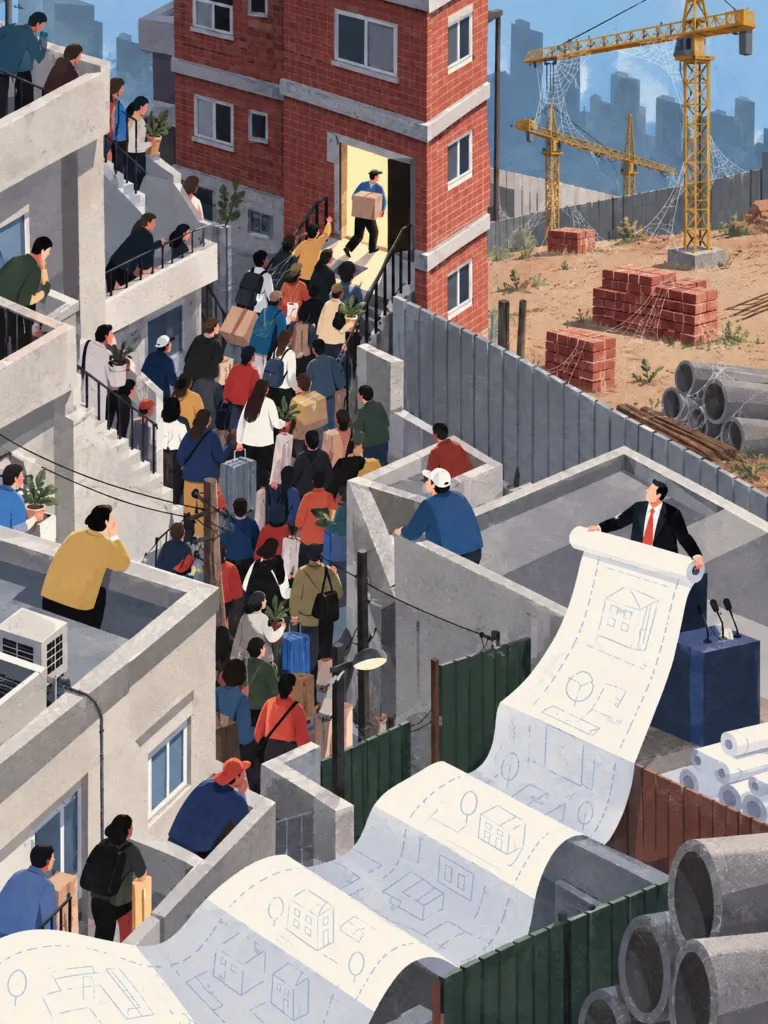
A real estate agent in Seoul's Yeongdeungpo district said, "Often a new jeonse listing only comes up when an existing tenant moves out, so prices are rising even as deals fall." Put simply, new villa supply has nearly stopped, so the number of jeonse homes to choose from has itself shrunk. It is like a used-goods app where only one or two items you want are posted a day: with just a few shoppers, the price goes up.
- Renters who couldn't find an apartment jeonse came to villas
Apartment jeonse is even scarcer. Seoul's October apartment jeonse price index is also a record, at 108.7. Over the same period, Seoul apartment jeonse deals fell 28.5%, from 126,986 to 90,847, and jeonse's share of all jeonse and monthly-rent deals dropped from 56.2% to 49.1%.
Renters who cannot find an apartment jeonse look for relatively cheaper villas. But there are no new homes in villas either. The industry sees demand for villas and townhouses emerging as apartment jeonse prices rise, while new supply of non-apartment housing (homes other than apartments) has also shrunk, so the jeonse burden is spreading.
- Seoul non-apartment construction starts fell to one-sixth between 2021 and 2024
Construction starts (homes where building work has begun) for non-apartment housing in Seoul (villas, multi-household houses and the like) fell from 26,915 units in 2021 to 18,973 in 2022, 6,304 in 2023 and 4,597 in 2024. The total through late November 2025 is 4,627, slightly more than all of 2024, but it is not a full-year figure, so a simple comparison is hard.
There are two causes. Villa developers used to recover a large part of their project costs through high jeonse deposits (Korea's lump-sum deposit lease). After the jeonse fraud cases, the requirements for jeonse guarantees (insurance that makes sure tenants get their deposits back) were tightened, and that approach was blocked. On top of that, raw material and labor costs have risen since COVID-19, sharply increasing construction costs. With little profit left after building, fewer people are building.
Completions (homes where building work has finished) fell too. Completions of villas and multi-household houses in Seoul dropped from 14,118 units in 2023 to 6,123 in 2024 and 4,858 in 2025. That is about 86.1% below 2018 (35,006 units).
- In July, before the Aug. 13 plan, non-apartment starts were below a year earlier
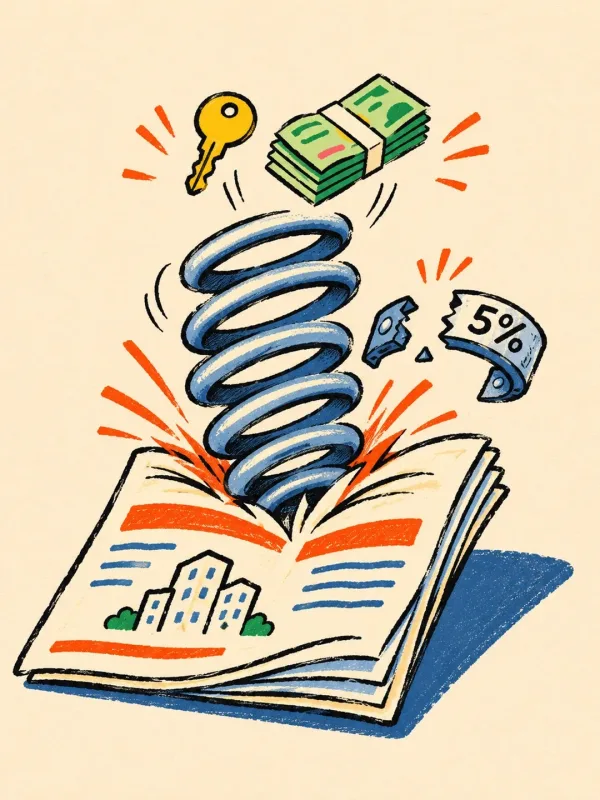
On Aug. 13, the government included measures to revive villa supply in its ‘Housing Rapid Supply Plan’ (the Aug. 13 measures). It lifts the floor limit on multi-unit houses (dagagu) from three floors to four, and raises the building area cap for multi-household and multi-unit houses from 660㎡ to under 1,000㎡. The construction loan limit rises from KRW 70 million to KRW 90 million, and the interest rate falls from 3.5% to 3.2%. Residential projects that start construction by 2027 are fully (100%) exempt from the development charge. The goal is to support construction starts on 130,000 non-apartment homes (ordinary housing other than apartments) in the Seoul metropolitan area by 2030.
Here are the construction-start numbers before the plan. In 2025, construction starts on non-apartment homes in the Seoul metropolitan area were 14,000, about 25% of the 10-year average (56,000), and from January to June this year they were 24.3% of the long-term average (the average of the past 10 years). In the July housing statistics released on Aug. 31, construction starts on non-apartment housing (villas, officetels and the like) were 2,331 homes, down 15.2% from the same month a year earlier (2,750 homes). The figures were released after the plan, but they reflect July, the month before the plan.
- New villa jeonse listings arrive only after starts rise
For a villa, it takes less than a year from permitting (the approval needed before building) to construction start and completion. Even so, the order does not change. Construction starts rise first, and new jeonse listings appear only after construction is finished.
In delivery terms, a start is the order and move-in is the delivery. An announcement that you will place more orders does not put anything in your hands today. Even if the plan makes starts begin to rise, those homes reach the jeonse market only after construction ends. Until new homes arrive, the current pattern, in which a new listing often appears only when an existing tenant moves out, is hard to change.
- BITPRESS Insight
Villa jeonse prices rose not only because demand piled in. For several years almost no new villas were built, and the result is that new homes have stopped entering the jeonse market. So an announcement of supply measures alone will not ease today's jeonse market.
For renters, what changes is the arithmetic. Rather than holding out near expiry in the hope that "new villas will soon pour in," it is closer to reality to decide whether to renew or move based on the listings in your own neighborhood right now.
Even if construction starts rise, new jeonse homes will not appear until those buildings are completed. Villa jeonse listings begin to increase from that point, not from the day the plan was announced.
Sources
https://www.fnnews.com/news/202610291857187384
https://biz.heraldcorp.com/article/10855758
https://biz.heraldcorp.com/article/10660849
https://www.news1.kr/realestate/general/6101571
https://news.mtn.co.kr/news-detail/2026031515053127242
https://www.kairnews.com/news/514608
https://supple.kr/news/cmsr4h1ri001jaf6rrdqo80rf
https://www.tfmedia.co.kr/mobile/article.html?no=206447
Glossary
Jeonse price index — An index that sets the jeonse price at a base date to 100 and shows today's level as a number; the higher it is, the higher jeonse prices are.
Groundbreaking — The start of building work on a home; it is a number that shows in advance how many new homes will come on the market months or years later.
Completion — Construction is finished and people can move in and live there.
Non-apartment housing — A collective term for housing that is not an apartment, such as villas (row houses and multi-unit houses), multi-household houses and officetels.
Development charge — Money a developer pays to the state out of part of the profit earned from a development project.
BITPRESS articles are information to help your investment decisions, not a recommendation to buy or sell any stock or coin. Investment decisions and their results are your own responsibility.