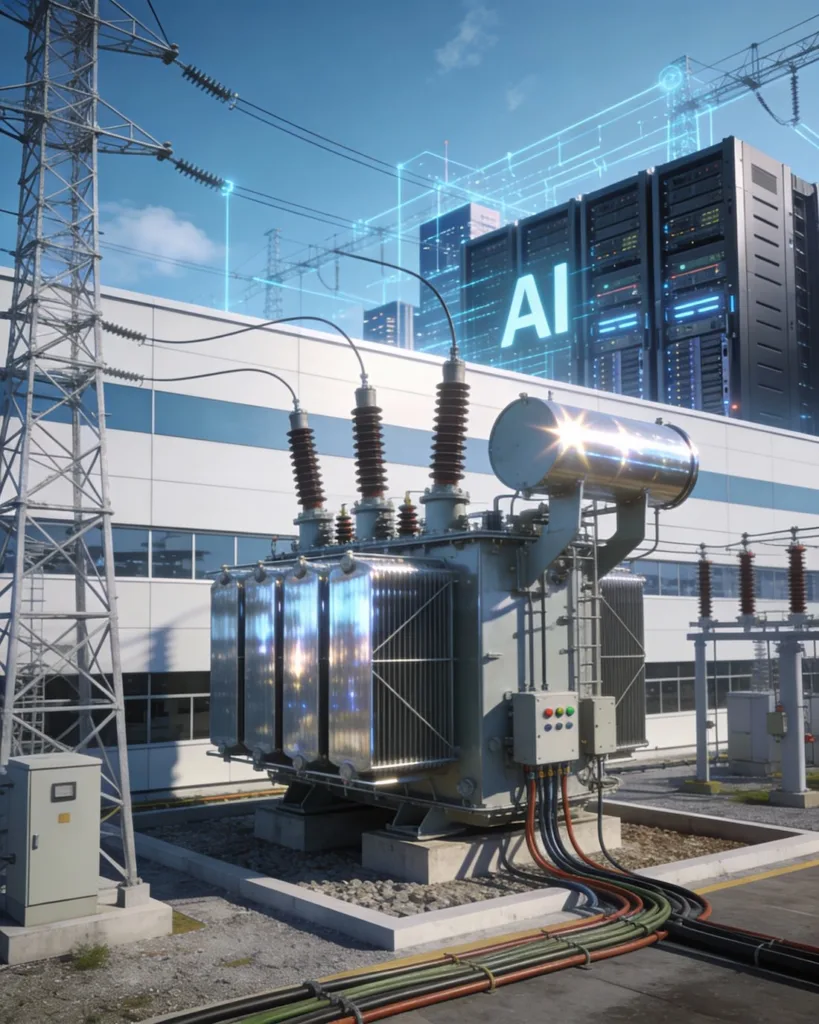
As the explosive growth of the AI industry makes power shortages a reality, power infrastructure stocks are emerging as the stock market’s new leaders beyond semiconductors. While Big Tech heavyweights such as Elon Musk and Sam Altman keep stressing the importance of power supply, Korean power equipment makers have already secured years’ worth of order backlogs, proving their structural growth. We picked the five power stocks drawing the most attention in the market as of 2:17 p.m. on Feb. 2, 2026, and analyzed their current share prices and brokerage target prices.
- HD Hyundai Electric (267260)
HD Hyundai Electric is seen as the biggest beneficiary of global grid replacement demand and the data center construction boom, cementing its position as the undisputed sector leader. As of 2:17 p.m. on Feb. 2, 2026, it was trading at KRW 942,000, reflecting high-margin orders from North America and Europe now showing up fully in earnings. In a report published in January 2026, KB Securities forecast a prolonged transformer shortage and set a target price of KRW 1,150,000. The buy case is that the company is leading price increases in a seller’s market, leaving ample room for its operating margin to rise further.
- LS ELECTRIC (010120)
LS ELECTRIC has a portfolio spanning both transmission and distribution, and is aggressively growing its North American market share, especially by expanding its US production base. As of 2:17 p.m. on Feb. 2, 2026, it was trading at KRW 618,000, with rising demand for in-data-center power distribution systems driving the share price higher. In a recent report, DS Investment & Securities raised its target price to KRW 780,000, citing a valuation re-rating as the share of US revenue grows. The prevailing view is that structural growth from its successful localization strategy will continue through 2027.
- Hyosung Heavy Industries (298040)
Hyosung Heavy Industries has worked through its past low-priced orders and shifted to a selective strategy focused on high-margin contracts, delivering a dramatic earnings turnaround. As of 2:17 p.m. on Feb. 2, 2026, it was at KRW 2,450,000, on a steep upward run. In a January 2026 analysis, SK Securities praised the stabilizing utilization rate at its Tennessee plant in the US and the surging profit contribution from its heavy industries division, setting an industry-high target price of KRW 3,000,000. It is drawing investor attention because it still has more upside than its rivals and the fastest pace of earnings improvement.
- LS (006260)
LS is a holding company that owns both cable and power equipment affiliates, benefiting doubly from rising copper prices and investment in power equipment. As of 2:17 p.m. on Feb. 2, 2026, it was at KRW 215,000, in a phase where its subsidiaries’ strong earnings are being reflected in the holding company’s value. NH Investment & Securities stressed that it is significantly undervalued relative to the value of its stakes in subsidiaries and set a target price of KRW 285,000. With rising demand for the cables essential to grid expansion coinciding with higher raw material prices, it is expected to trend steadily upward.
- Doosan Enerbility (034020)
Doosan Enerbility is a key equipment supplier for nuclear power, the only alternative able to meet AI power demand that renewable energy alone cannot handle. As of 2:17 p.m. on Feb. 2, 2026, it was trading at KRW 89,500, with expectations for the emerging market for SMRs (small modular reactors) for data centers being priced in. In a January 2026 report, IBK Securities set a target price of KRW 110,000, citing the global nuclear renaissance and growing orders for main reactor components. Its unique position not only in large reactors but as an SMR foundry will be a long-term driver of its share price.
BITPRESS Insight: The current power supercycle is not just hype; it is an earnings-driven market proven by numbers. The five stocks presented here each have different strengths, but they all stand at the center of the trend of the times: no electricity, no AI. If you favor stocks with plenty of upside left over those already near their target prices, and buy in installments during pullbacks after short-term spikes, they can be a solid pillar of your 2026 portfolio.