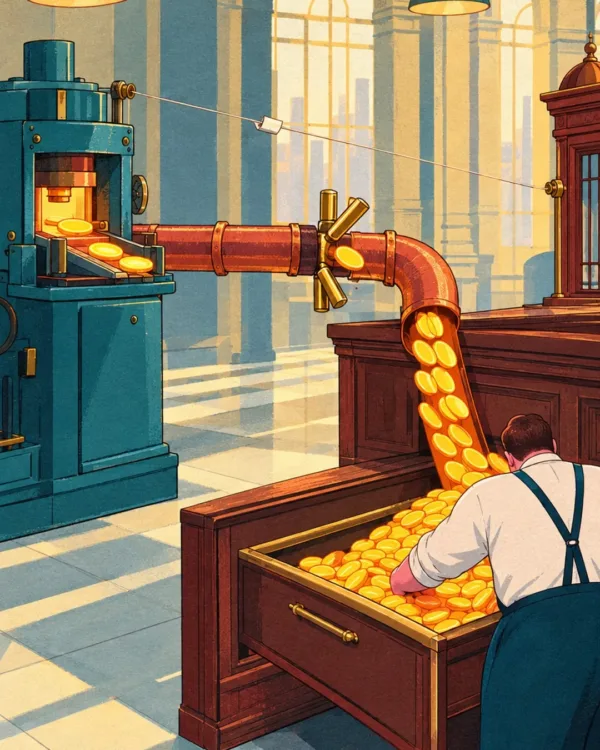
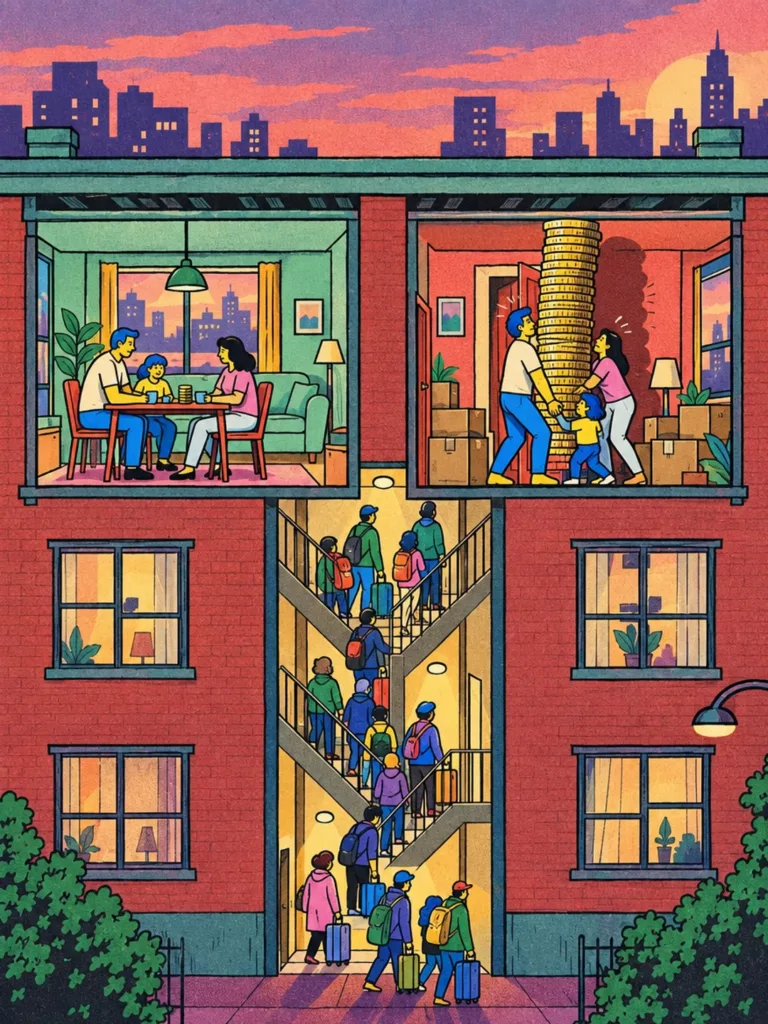
Jeonse is a type of lease found almost only in Korea. Instead of paying monthly rent, the tenant hands the landlord a large lump-sum deposit, often around half the home’s price, and gets all of it back when the contract, usually two years, ends. The landlord earns by putting that money to work in the meantime. On Sept. 17, a jeonse for an 84㎡ unit at Olympic Park Foreon in Gangdong-gu, Seoul, was newly signed for KRW 1.65 billion. A renewal for the same size in the same complex, signed on Sept. 5, was KRW 840 million. Same complex, same size, yet the newcomer paid nearly twice as much.
It isn't just this complex. So far this year, 51.1% of Seoul apartment jeonse contracts, more than half, were renewals signed by tenants staying put in the home they already lived in. For anyone whose jeonse is about to expire, staying or leaving can mean a difference of tens of millions of won in the deposit.
People often sum it up as “Seoul jeonse prices have gone up.” But what has risen sharply is the price for people moving in. One of the forces pushing that price up is the fact that more than half of tenants aren't moving.
- Two prices for the same unit size
Olympic Park Foreon is an extreme case, but the direction is the same across Seoul. Real estate platform Zigbang compared median prices only in cases where both new contracts and renewals occurred in the same complex for the same floor area.
The median deposit on new contracts for 84㎡ units in Seoul rose from KRW 656.25 million in January to KRW 700 million in June this year. Over the same period, renewal deposits barely moved, from KRW 612.5 million to KRW 620 million. The gap widened from KRW 43.75 million in January to KRW 80 million in June.
When a gym raises prices, existing members renew at the old rate and only new members pay the new rate. That is Seoul jeonse right now. The price for existing tenants and the price for new tenants move separately.
- Why do renewing tenants pay less?
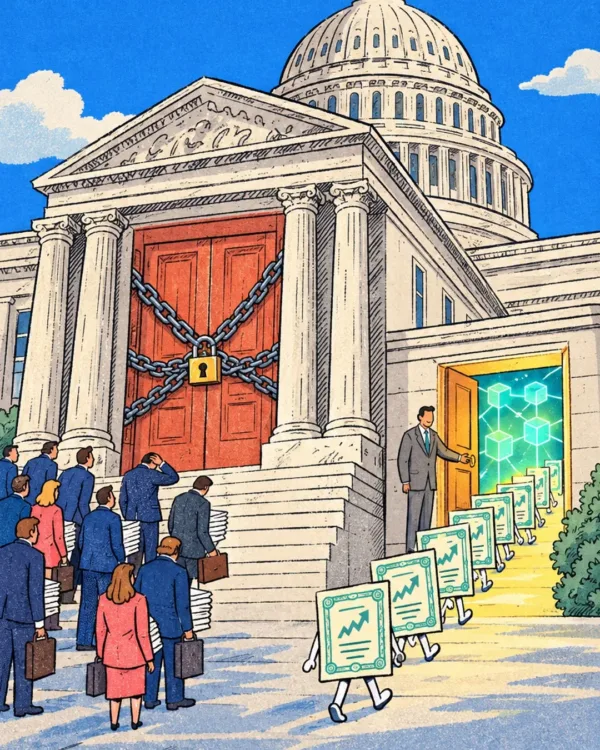
There are two ways to renew. The first is to use the lease renewal right (a legal right that lets a tenant demand, only once, a two-year extension). Using it caps the deposit increase at 5%, and the landlord can hardly refuse without a legally defined reason, such as moving in personally.
The second is a negotiated renewal, where the tenant doesn't use the right and instead signs again on terms agreed with the landlord. Even then, negotiations start from the deposit on the current lease.
In the end, the difference is the starting point. A renewal starts from the deposit two years ago; a new contract starts from today's market rate. It is like a gym member's renewal price being set off the old rate. The faster jeonse prices rise, the farther apart the two starting points get.
- So more than half of tenants stayed put
Of 80,480 Seoul apartment jeonse contracts reported from Jan. 1 to Sept. 20 this year, 41,145, or 51.1%, were renewals. That is up 10 percentage points from 41.1% in the same period last year. Seoul city data put the figure at 58.9% for August alone. Because reporting deadlines have not passed, the final figures may change.
Above all, it comes down to price. Leaving means paying the new-contract rate, so staying is cheaper even with a small deposit increase. There is also no hassle of finding a new place.
What stands out is that contracts using the renewal right made up only 27.1% of the total. The remaining 24.0 percentage points were negotiated renewals that didn't use the right. Because the right can be used only once, analysts say more tenants are saving it for their next lease.
- The more people stay, the higher new jeonse prices go
When a tenant stays, that home doesn't come onto the market. According to real estate big data firm Asil, Seoul apartment jeonse listings in September numbered 19,904, 13.3% fewer than the 22,966 a year earlier.
Renewals aren't the only reason jeonse homes are scarce. With the announcement of a tax reform plan and the rate hike, both buyers and sellers are waiting on the sidelines, and would-be buyers have stayed in the jeonse market. Seoul apartment sales in August totaled 3,143 as of Sept. 15, down 46.2% from July. KB Real Estate's diagnosis is that after the tax reform, landlords who had been renting out homes moved in themselves, shrinking the supply of jeonse homes further.
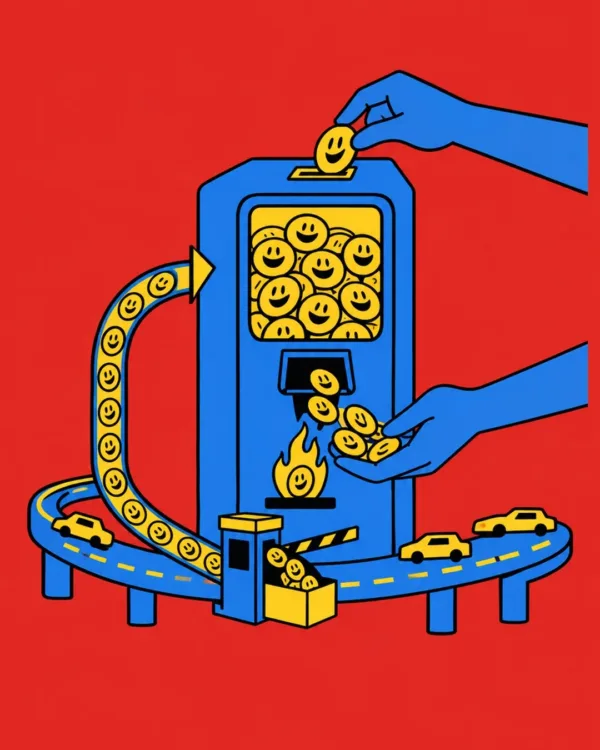
More people are looking and fewer homes are coming up. By the Korea Real Estate Board's weekly index, Seoul apartment jeonse prices have risen 7.79% this year through the second week of September, the biggest gain since 2015 (10.79%). The people who absorb this rise most directly are those signing new contracts. The pricier new contracts get, the more tenants stay; the more they stay, the fewer listings there are, and new prices climb again, creating a loop.
- BITPRESS Insight
The deposit saved by renewing isn't a discount; it is a cost paid at the next move. Because the renewal right can be used only once, tenants who used it this time will face all the accumulated market increase at their next expiry, with no 5% cap.
What's more, one of the forces pushing up that market rate is renewal itself. The more tenants stay, the fewer new jeonse homes come up, and the shrinking supply pushes up new-contract prices. The money saved now effectively inflates the bill for the next lease.
The average transaction jeonse price, which mixes renewals and new contracts, comes out lower than what people actually moving pay, because more than half of contracts start from old prices. A right created to protect tenants, once everyone uses it, raises the burden on tenants who move.
Sources
https://www.news1.kr/realestate/general/6296583
https://biz.heraldcorp.com/article/10798767
https://m.inews24.com/v/2008262
https://www.ajunews.com/view/20260922144629268
https://www.g-enews.com/article/Real-Estate/2026/09/202609201222067964153ddfb15a_1
https://www.g-enews.com/article/Real-Estate/2026/09/202609181136183783a9fc143920_1
https://kbthink.com/realestate/insights/research/260916-1.html
https://kbthink.com/realestate/insights/research/260916-4.html
https://easylaw.go.kr/CSP/CnpClsMain.laf?popMenu=ov&csmSeq=629&ccfNo=4&cciNo=4&cnpClsNo=1
Glossary
Renewal contract — A jeonse contract signed again with the landlord for the home you already live in, without moving.
Lease renewal right — A tenant's right to demand, only once, to stay two more years; using it caps the deposit increase at 5%.
Negotiated renewal — Signing again on terms agreed with the landlord without using the lease renewal right; the unused right is saved for next time.
New contract — A contract signed when a new tenant moves in, with the deposit set at the market rate at the time.
Median — The value in the exact middle when prices are lined up in order; it is less swayed by a few extreme deals.
Jeonse — Korea's lump-sum deposit lease. Instead of monthly rent, the tenant gives the landlord a large deposit, often around half the home's price, and gets it all back when the contract ends.