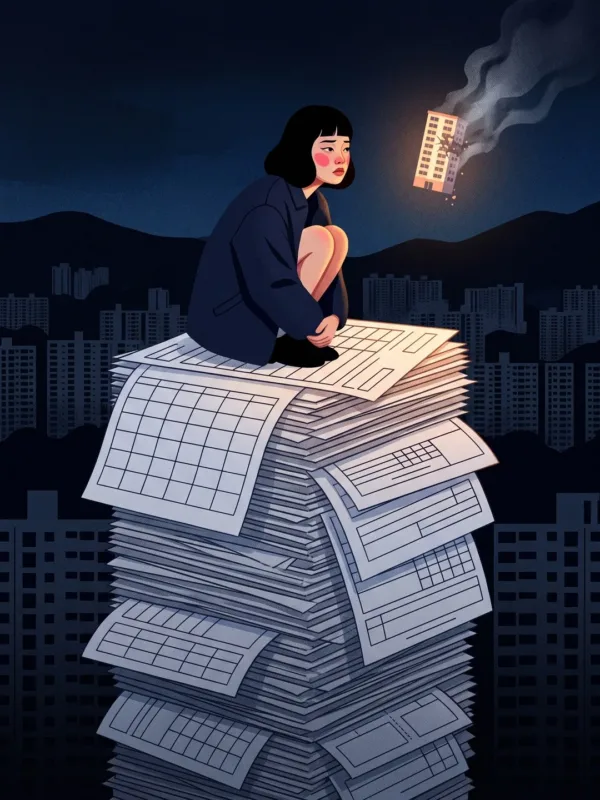
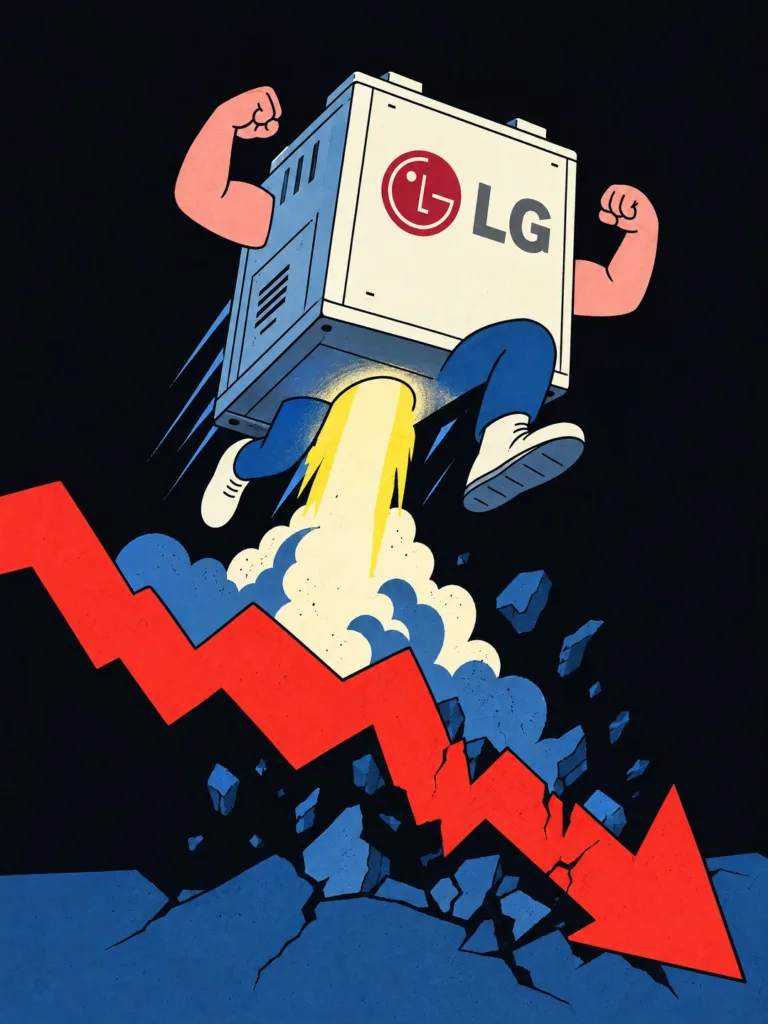
The KOSPI fell 16.3% in a month, from 6,894 on Sept. 18 to 5,768 on Oct. 19. Over the same month Samsung Electronics dropped 16.5% and SK hynix 31.2%. LG Energy Solution, by contrast, rose 21% in October alone.
The common explanation goes like this: with electric vehicles selling less, battery stocks can't be doing well, so this one is just bouncing back briefly after a big drop.
But the real story is elsewhere. The buyers of batteries are widening from electric vehicles to power storage equipment for AI data centers, and as the US tries to push Chinese companies out of that market, hopes are concentrating on Korean companies with US factories.
- Oct. 19: What pushed battery stocks up
On Oct. 19, Samsung SDI rose 11.70% and LG Energy Solution rose 7.20%. EcoPro on the KOSDAQ also jumped 11.19%. The stocks that institutional investors bought the most, on a net basis, in the Korean market that day were also LG Energy Solution (KRW 132 billion) and Samsung SDI (KRW 116.3 billion).
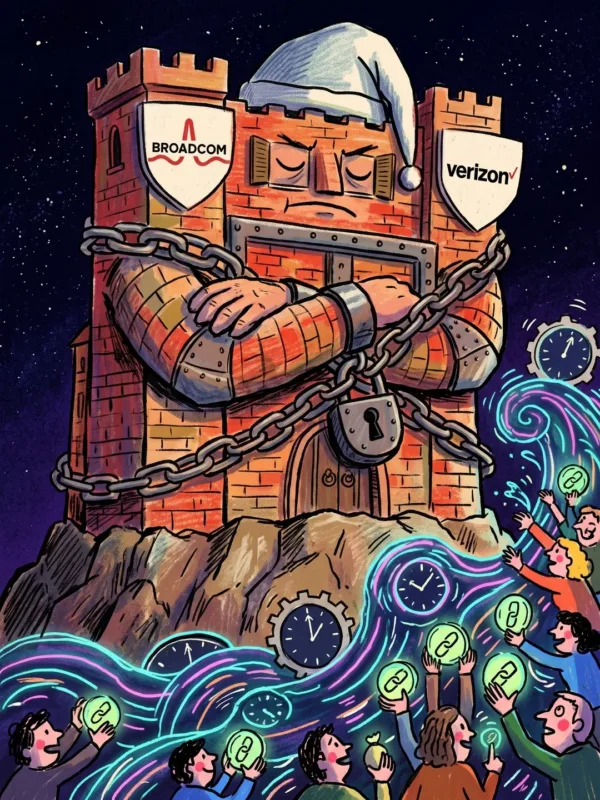
Korea Economic Daily, Economy Tribune and others pointed to a report by the Taiwanese tech outlet Digitimes as the reason for the rise. Citing people in the US supply chain, Digitimes said that major Chinese ESS companies have begun pulling out of the US business en masse this year because of tough US regulations, tariffs and ownership reviews. However, the list of companies that have actually withdrawn and the size of their businesses have not been confirmed.
- The new customer for batteries is the AI data center
An ESS (energy storage system) is a large battery installation that stores electricity and releases it when needed. Think of a phone power bank grown to the size of a building. But where a power bank revives one phone, an ESS stores electricity for power grids and data centers.
Daol Investment & Securities analyst Yoo Ji-woong expects power demand from US AI data centers to triple by 2030, and said ESS is becoming more important because power generation capacity can't keep up. In other words, with electricity production lagging, the value of storing it goes up.
That is why there are hopes that battery companies will find a new source of demand even during the stretch when EV demand has stalled (the 'chasm').
- Two Chinese companies held 56% of North American ESS battery shipments
According to SNE Research, in the first half of this year China's CATL held 38.8% of the North American ESS battery shipment market and Hithium held 17.2%. Together the two have 56%. LG Energy Solution had 13.6% and Samsung SDI had 6.1%.
Put simply, if Chinese companies really do pull back, the space they leave behind is bigger than the share the two Korean companies hold today. However, the Digitimes report did not name the companies leaving, and it doesn't mean Korean companies will take all of the vacated space.
The way the US pushes back on Chinese companies has also changed. Earlier it blocked finished goods imported from China; now it is trying to remove Chinese companies and capital from the entire supply chain. Starting this year, the US Internal Revenue Service limited production and installation investment tax credits for products from companies controlled by a prohibited foreign entity (PFE). Hithium, which built module and system factories in North America, also pays tariffs every time it brings in Chinese-made cells.
- Hopes are piling onto companies that make batteries inside the U.S.
LG Energy Solution said it began large-scale mass production of lithium iron phosphate (LFP) batteries for ESS at its Holland, Michigan plant in June 2025. At the time, the company explained that because the batteries are made in the US, they are not affected by tariffs.
Think of a toll gate. For the same goods, a shop that makes them in the neighborhood doesn't have to raise prices as much as a shop that pays a toll to bring them in. But building and running a factory in the neighborhood has its own costs.
Preliminary third-quarter operating profit, announced on Oct. 8, was KRW 756 billion, up 25.7% from a year earlier. The company cited the burden of fixed costs shrinking as its North American ESS production capacity grew and shipments increased. Samsung SDI is at the stage of pushing for mass production of LFP batteries for ESS at its Indiana plant in the US.
- The share price mixes what is confirmed with what is hoped for
Starting with the announced numbers: of LG Energy Solution's preliminary third-quarter operating profit of KRW 756 billion, KRW 416.9 billion is the expected amount of the tax credit (AMPC) the US government gives for local production. Excluding it, the figure is KRW 339.1 billion.
Expectations move faster. According to Epic AI's tally, brokerage estimates for Samsung SDI's third-quarter operating profit have swelled over the past three months from KRW 28.8 billion to KRW 191.3 billion. That number has not been announced yet. The biggest driver, the Chinese companies' withdrawal, is also a report whose scale has not been confirmed.
Think of the key money paid for a shop's location. The price that comes from a business doing well now is different from the price that comes from hearing ‘the shop next door is about to close.’ The higher the expectations on a stock, the bigger its swings: in the Oct. 15-16 market plunge, Samsung SDI fell more than 10%, a bigger drop than LG Energy Solution.
- BITPRESS Insight
This rise reads as a sign that the yardstick money uses to pick battery stocks is changing. Investors look first at ‘who will take China's share of the US power storage market’ rather than ‘how many electric vehicles are selling.’ That is also the background to LG Energy Solution rising against the trend in a month when electric vehicle slump news continued and the KOSPI dropped sharply.
Still, a lot on which that yardstick rests has yet to be confirmed. The scale of the withdrawal is at the report stage, and more than half (about 55%) of third-quarter profit is the expected US tax credit.
When battery stocks surge, it helps to separate whether the rise came from shipments and profits that have already appeared, or from reports of withdrawals and estimates whose scale is unconfirmed. The former stays; the latter wobbles until it is confirmed.
Sources
https://www.hankyung.com/article/2026101915251
https://www.economytribune.co.kr/news/articleView.html?idxno=3904180
https://www.g-enews.com/article/Securities/2026/10/202610191606567220923c501012_1
https://www.ajunews.com/view/20261019153749158
https://www.etoday.co.kr/news/view/2637397
https://www.news1.kr/finance/general-stock/6325151
https://biz.sbs.co.kr/amp/article/20000338892
https://www.dailian.co.kr/news/view/1505493
Glossary
ESS (energy storage system) — A large battery installation that stores electricity and releases it when needed.
Lithium iron phosphate (LFP) battery — A type of battery that uses lithium iron phosphate in its cathode material (the key material that produces electricity in a battery).
AMPC (Advanced Manufacturing Production Credit) — A tax credit that companies making batteries inside the US receive under the US Inflation Reduction Act (IRA).
Prohibited foreign entity (PFE) — Foreign entities barred under US tax law; products from companies they control face limits on production and installation investment tax credits.
Chasm — The period when demand briefly stalls after a new product passes its early buyers and before it spreads to the mainstream.
KOSPI — South Korea's main stock market index, tracking the biggest companies listed on the Korea Exchange.
BITPRESS articles are information to help your investment decisions, not a recommendation to buy or sell any stock or coin. Investment decisions and their results are your own responsibility.