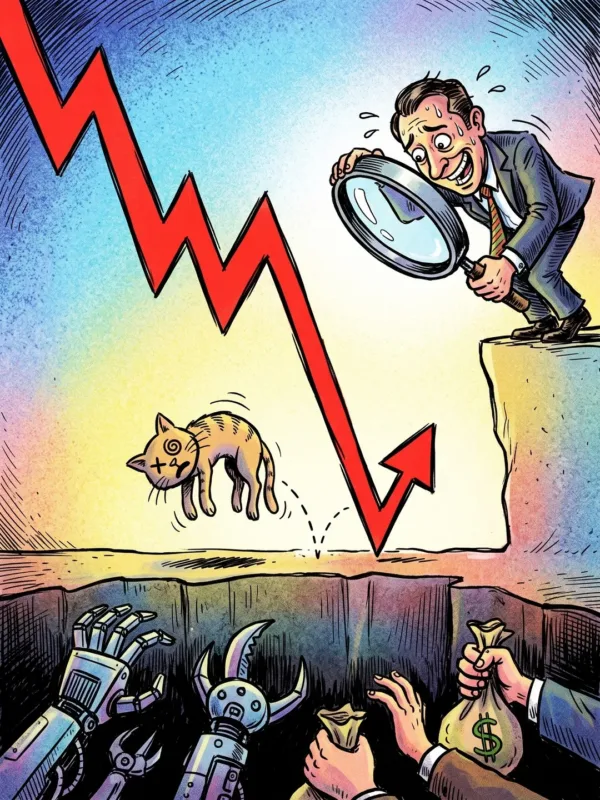
U.S. producer prices (what companies charge when they sell goods) rose 1.3% in September from August. That is more than double the 0.5% the market expected, and the biggest rise since March 2022. Yet on Oct. 15, the day the number came out, the 10-year Treasury yield fell about 0.13 percentage points to close at 5.05%. It dipped as low as 5.04% during the day, the lowest since Sept. 23.
A falling Treasury yield means the price of existing Treasuries is rising. Normally, when prices jump, investors worry the central bank will raise rates further. They sell Treasuries, and yields rise.
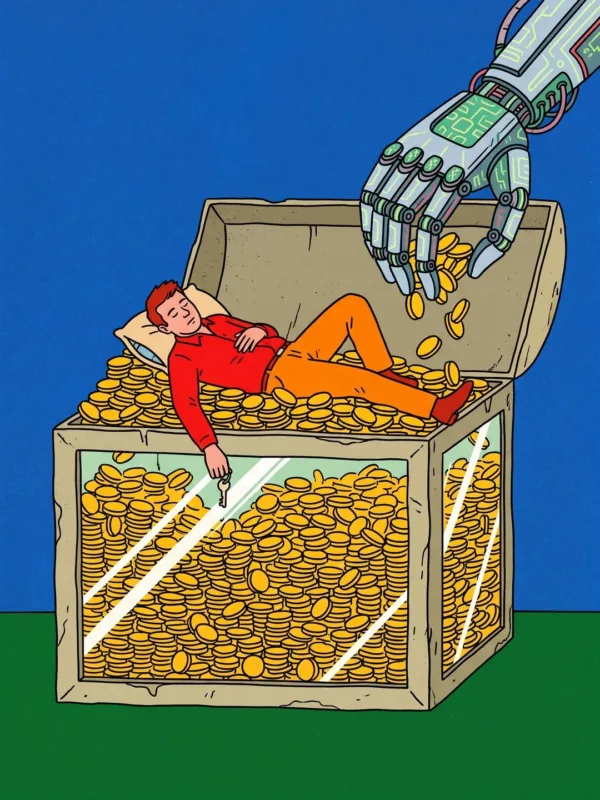
This time, something stronger than inflation was at work. Money leaving AI stocks moved into safe Treasuries. Investors who had bet heavily on Treasury prices falling were caught off guard.
- The inflation numbers were hot enough to push rates up
September consumer prices, released a day earlier, also rose 0.6% from August and 3.7% from a year earlier. The Federal Reserve (the U.S. central bank) had already raised rates in September for the first time in three years, to 3.75%–4.00%. The market expected another increase of 0.25 percentage points in December.
Put simply, judging by inflation alone, it was a week with plenty of reasons for Treasury yields to rise. In fact, the 10-year yield had closed at 5.31% on Oct. 5, its highest level in more than 20 years.
- Money leaving AI stocks pulled yields down
That same week, doubts grew over whether AI investment can make money with interest rates this high. Yields on some bonds issued by the AI cloud company CoreWeave (it rents out computers for AI) rose to 15%–16%. The Nasdaq 100 fell 5.5% that week, and the 10-year yield fell about 0.17 percentage points. The two measures had not moved this much together in one week since the tariff turmoil of April 2025.
Money pulled out of stocks went looking for the safety of Treasuries. According to the weekly market update from Atrani Capital, $16.2 billion flowed into Treasury funds that week, the most since April 2025. Prashant Newnaha of TD Securities called the move "highly counterintuitive" and saw it as the result of the AI stock selloff lowering investors' growth expectations.
It is like umbrella prices rising in a downpour. Even if it costs no more to make umbrellas, the price jumps when people rush to get out of the rain. The same happened to Treasuries. Money seeking safety piled in regardless of inflation, so prices rose and yields fell.
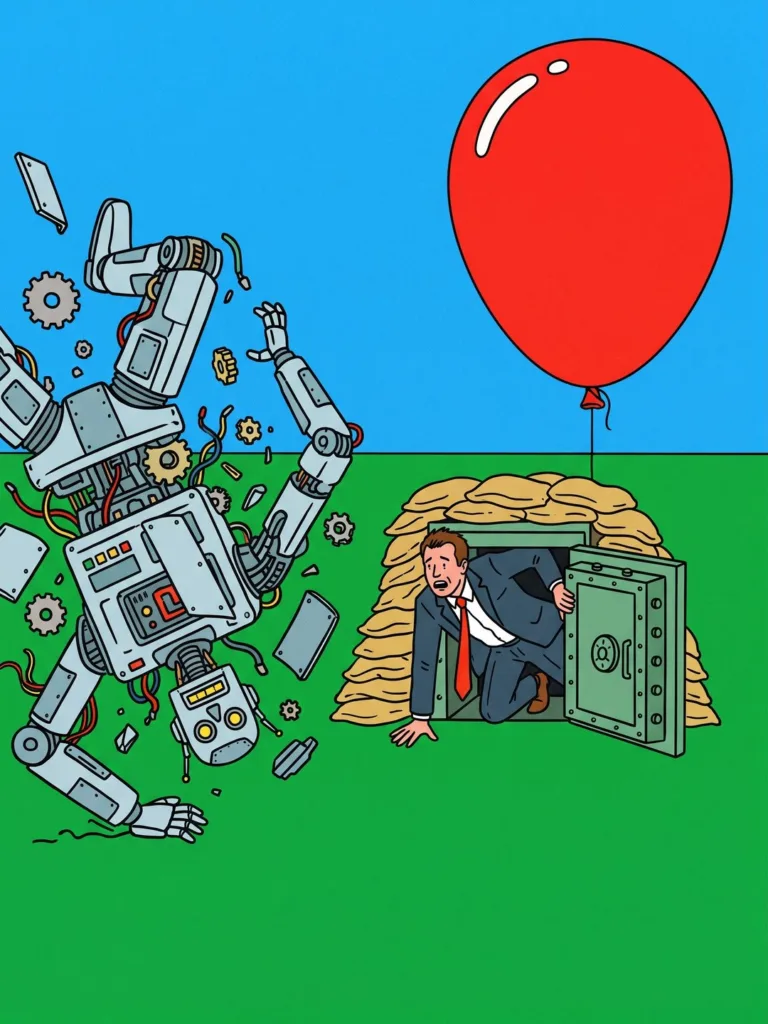
- Investors who bet big on falling Treasury prices were caught off guard
According to the market analysis outlet Briefs Finance, investors had placed unusually aggressive bets that Treasury prices would fall further. Funds that trade mechanically with the trend also started the week heavily positioned for a Treasury decline, then cut those bets.
Someone betting on a price drop borrows Treasuries and sells them first, then buys them back cheaper later and returns them. In secondhand-market terms, it is like borrowing a friend's book, selling it for KRW 20,000, buying it back for KRW 15,000 and handing it back. But if the book's price starts to rise, you have to rush to buy it back to limit your loss, and that buying pushes the price up further. That buying back added fuel to this Treasury rally.
- Inflation worries have not gone away
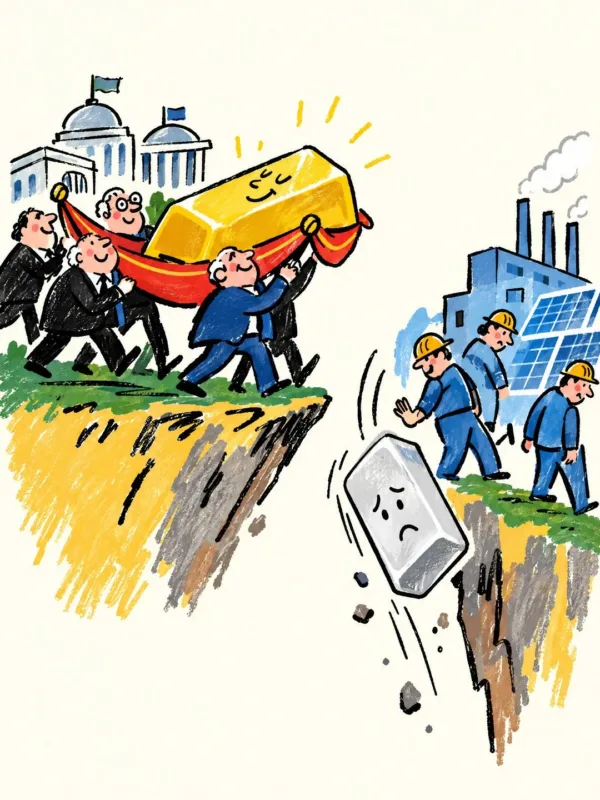
The market still expects the Fed to keep rates high for a long time. Steven Barrow of Standard Bank called the Treasury rally misleading and pointed to inflation risks and the broader tilt toward stocks over Treasuries.
Others took the opposite view. Afonso Borges of Julius Baer said an AI-led slowdown would be a demand shock that cools inflation, and that Treasuries of intermediate maturity would once again offset losses in stocks. From 2000 to 2020, 10-year Treasuries often made gains when stocks were being sold. Over the past year, though, stocks and Treasuries often fell together on worries about inflation and government debt, and the third-quarter rise in Treasury yields was the largest since 1994. It is not yet clear whether this rally will break that pattern.
- What a 0.24 percentage point drop means for one loan
The 10-year yield fell 0.24 percentage points, from 5.31% on Oct. 5 to 5.07% at the close that week. Suppose someone borrowed KRW 300 million for 30 years with equal monthly payments of principal and interest, and the loan rate moved by the same amount. The monthly payment would fall by about KRW 44,000, from about KRW 1,668,000 to KRW 1,623,000.
Put simply, fear in the stock market, not inflation, can change the direction of loan interest. But if the fear fades and inflation takes center stage again, rates could move back by the same amount.
- BITPRESS Insight
Interest rates do not move on inflation alone. Inflation makes investors sell Treasuries. Fear in the stock market makes them buy. On Oct. 15, the two forces collided on the same day, and fear was stronger. What strengthened it was the lopsided bet on falling Treasury prices.
So it is a mistake to read this drop in yields as a sign that inflation is under control. Inflation is still hot, and the Fed's next rate hike is still possible. If fear is why yields fell, they can go back to following inflation the moment the fear lifts.
In BITPRESS's view, on a day when yields move, look first at which way stocks and Treasuries moved that day, before the inflation number. If stocks fall and Treasury yields fall too, fear is driving yields. If stocks and Treasury prices fall together, inflation is driving them.
Sources
https://tradingeconomics.com/united-states/government-bond-yield/news/592391
https://finance.biggo.com/news/e737924b-cd98-47f1-9a52-7e713d6f0fa9
https://www.briefs.co/news/treasuries-edge-back-into-haven-mode-as-ai-jitters-hit-tech/
https://atranicapital.substack.com/p/week-42-market-update-for-october-e67
Glossary
Treasury yield — The return you earn by buying an existing Treasury at today's price and holding it to maturity. It falls when the Treasury's price rises and rises when the price falls.
Producer prices — The change in what companies charge other companies or shops for goods and services. It often moves before consumer prices.
Safe-haven demand — When assets whose prices swing widely, like stocks, feel risky, money moves to assets such as Treasuries that are less likely to default.
Betting on a price drop (short selling) — Borrowing an asset, selling it first, then buying it back cheaper and returning it. The trader profits by the amount the price fell.
the Fed — The U.S. central bank. It sets the benchmark interest rate to manage prices and employment.
BITPRESS articles are information to help your investment decisions, not a recommendation to buy or sell any stock or coin. Investment decisions and their results are your own responsibility.