
As KOSPI breaks above 4,800 to set new highs, KOSDAQ is stuck around 900, and investor frustration is mounting. But if the Lee Jae-myung government’s pledges to revive KOSDAQ are fully carried out, the picture could change. Going beyond the structural limits pointed out in a YouTube video, here is a look at a positive future.
The current market: KOSDAQ left out as KOSPI runs alone
KOSPI has risen for 10 straight trading days as foreign money pours into large caps such as Samsung Electronics and SK hynix. KOSDAQ, by contrast, is volatile because of its high share of retail investors (84%), and falls in its top stocks (Alteogen, EcoPro BM) are keeping the index weak.
This structure stems from KOSPI being treated as a national KPI while KOSDAQ was designed as a market for nurturing ventures. The recent outflow of KRW 29 trillion in demand deposits from the five major banks heading into KOSPI fits the same pattern.
Government pledges: a thread for lifting KOSDAQ
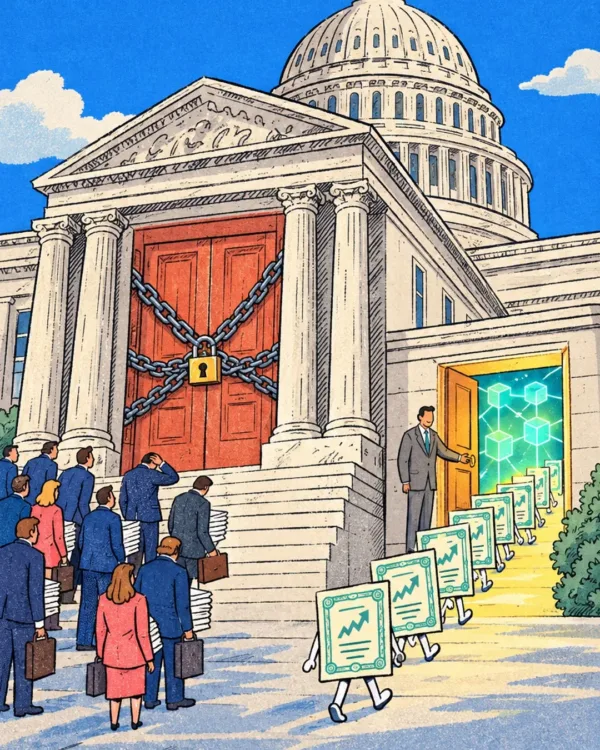
The Lee Jae-myung government has made reforming KOSDAQ a key task. Measures underway include greater independence for the KOSDAQ division, a redesign of listing review and delisting rules, and an expansion of special technology listings.
In particular, it will widen exit routes for ventures through a tax credit for KOSDAQ venture funds (KRW 2 million a year), a KRW 1.6 trillion increase in fund-of-funds contributions, and the introduction of BDCs (business development companies)*¹. Money is expected to flow into quality KOSDAQ stocks in fields such as AI and biotech through the National Growth Fund (KRW 150 trillion in size).
*¹ BDC (business development company): an investment fund structure that supports venture companies through their growth stages, strengthening exit routes before and after listing.
Policies set to accelerate ahead of local elections
With the 9th nationwide local elections approaching on June 3, 2026, the government is likely to lean harder into supporting KOSDAQ. The local elections are the first midterm test of the Lee Jae-myung government, and a landslide win by the Democratic Party could speed up Commercial Act revisions and the Value-up Program.
Steering pension funds’ KOSDAQ allocation (currently in the 3% range) up to 5% and using the momentum of the National Pension Service’s equity allocation topping 50% could bring in stable inflows. During the election season, expanded tax benefits for retail investors are expected to emerge as “vote-winning” policies.
Conditions for a KOSDAQ rise, and how to prepare
For KOSDAQ to rise, it must overcome its structural weaknesses (quality stocks moving to KOSPI, a focus on retail day trading). The keys are a sustained earnings-driven market and inflows of policy money.
Selective investment in companies with next-generation technology (solid-state batteries, biotech) is key. Stronger listing-maintenance rules to keep quality stocks from leaving are also a plus.
BITPRESS Insight
The hidden key to a KOSDAQ rise is a “clean up, then grow” strategy. After 38 companies were delisted in 2025 to boost market trust, an explosive inflow of pension and venture fund money on local-election momentum could lift the index a further 23% (Korea Capital Market Institute estimate). Allocating 10–20% of your portfolio now to KOSDAQ venture funds (using the tax benefits) lets you aim for double returns when KOSDAQ rebounds after KOSPI’s solo run – this is not simple index tracking but a chance to get in early on policy beneficiaries.