
When a company goes public, it suddenly has money.
This statement is half right and half wrong.
This is exactly where most retail investors get confused.
When a company goes public, its shares start trading, the price moves up and down, and its market cap grows.
Naturally, some questions follow.
Can the company freely spend the money it earned by selling those shares? Does money pile up in the company’s account when the share price rises? And why on earth are companies so obsessed with their share price?
These questions look unrelated, but they are actually connected in one flow.
Going public is not selling shares but opening a structure for raising capital
The essence of a listing is not that “the shares started trading.”
The core of a listing is that the company has gained an official channel to raise capital through shares.
During the listing process, the company issues new shares.
These new shares are not existing shares being bought and sold; they are newly created shares.
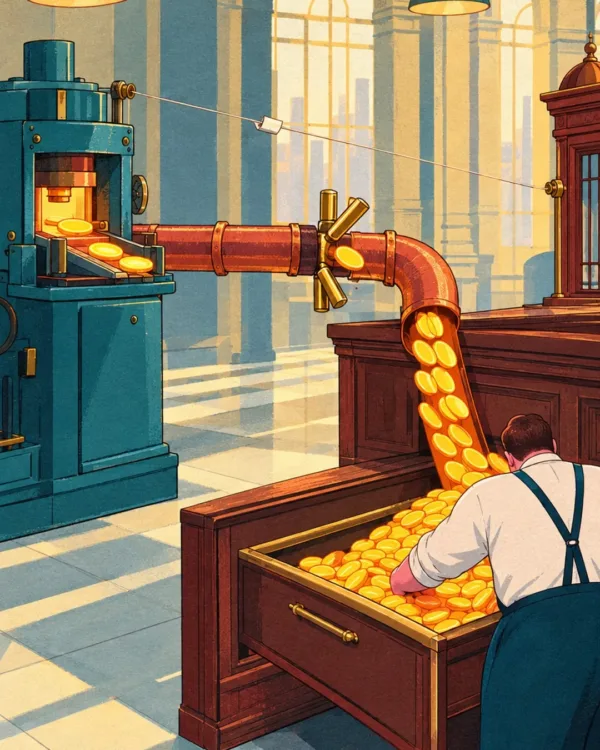
Investors pay money to buy these new shares, and that money goes through the brokerage into the company’s corporate account.
At this point, the money raised belongs to the company.
It can be used for business purposes such as operating funds, capital investment, R&D, M&A and debt repayment.
The important point stops here.
Around the listing, the only stage where the company directly gets cash is the moment it issues new shares.
After listing, share trading is not the company’s money
Once the listing is done and shares start trading on the exchange, things change completely.
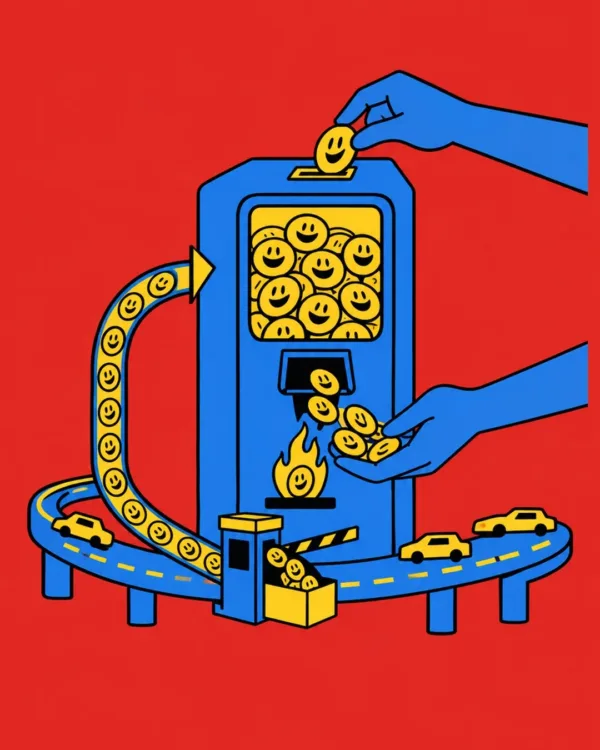
From then on, share trading is a transaction between investors.
Whether someone buys Samsung Electronics shares or a startup’s shares, that money does not go to the company.
The buyer’s money simply goes to the seller.
Even if the share price doubles, nothing changes in the company’s bank account.
Even if its market cap grows by tens of trillions of won, there is no structure that lets the company “take that money out and spend it.”
This is where many people get confused.
That is where the question comes from: “The stock has gone up this much, so why does the company say it has no money?”
So can a company no longer raise money after listing
Not so.
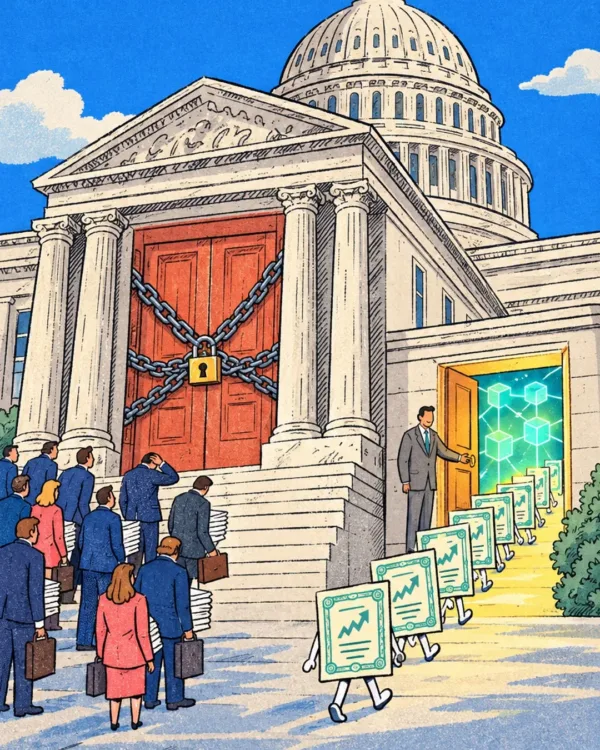
Even after listing, a company can raise funds again through shares.
The typical method is a rights offering (paid-in capital increase).
When the company issues new shares again, investors pay to buy them, and that money goes back into the company.
There is one important premise here.
If a company’s share price and credibility are low, a rights offering becomes practically impossible.
Issuing new shares at a low price heavily dilutes existing shareholder value, and investors will not take part either.
In other words, a listing is not a one-time event but a structure that secures the ongoing ability to raise capital.
And the indicator that shows how credible that structure is, is the share price.
Companies care about their share price not “to spend money”
People commonly misunderstand why companies are obsessed with their share price.
“It’s so management can make money.”
In some cases, that is true.
There are interests tied directly to the share price, such as stock options, treasury shares and the value of major shareholders’ stakes.
But structurally, there is a more important reason.
The share price is the company’s credit rating.
A high share price means the market rates the company’s future profitability and survival highly.
This credibility has real power in the following areas.
The ability to do a rights offering, the interest rate on corporate bonds, the share-exchange ratio in M&A, attracting top talent, and bargaining power in partnerships.
In M&A in particular, the share price becomes a “currency.”
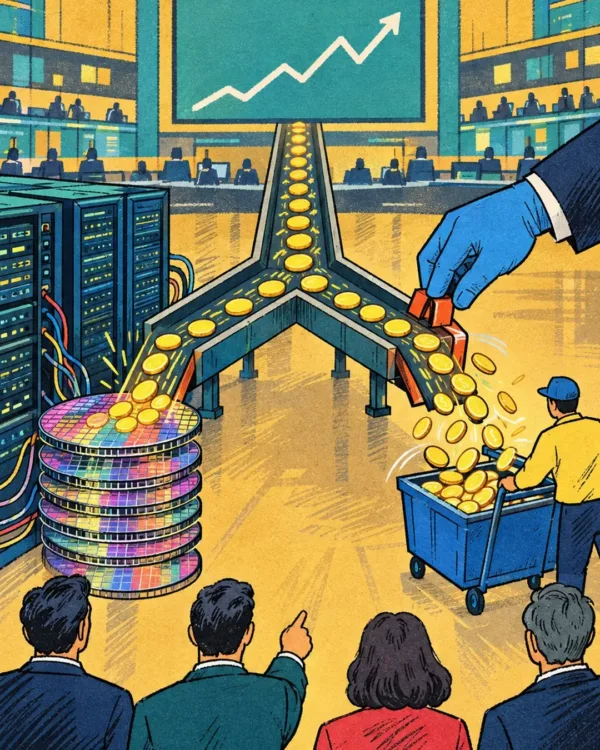
A company with a high, stable share price can acquire another company through a share exchange alone, without spending cash.
At that moment, the share price is no longer just a number but a weapon.
Can a company use its share price like cash
Not directly.
But indirectly, yes.
With a higher share price, issuing the same proportion of new shares raises more money.
With a higher share price, loan terms improve and bond rates fall.
With a higher share price, the company can secure better terms in M&A.
All of this is less about “taking the share price out and spending it”
and more about “using the share price as collateral to widen future options.”
The one key thing retail investors must understand
The share price is not the company’s money.
But the share price determines the range of the company’s future actions.
A company goes public not to spend money right away,
but to build a structure that lets it raise money when it needs to.
That is why some companies keep taking losses after listing while obsessing over managing their share price,
and others value market trust more than short-term earnings.
Because the stock market is not a simple price board
but a place where companies and capital enter into long-term contracts.
BITPRESS Insight
If you see the share price only as “an outcome that has already happened,” corporate behavior makes no sense.
If you see the share price as “the size of the options available going forward,” every corporate decision starts to connect.
This is the first perspective retail investors need to change when looking at companies.
Sources
Korea Exchange guide to corporate disclosure
Financial Supervisory Service materials explaining the securities market structure
Public materials on rights offerings and capital raising by listed companies