According to Reuters, the yield on the 30-year U.S. Treasury bond rose as high as 5.48% intraday on Sept. 24 (5.44% by Bloomberg's count), its highest level in 22 years, since 2004. The 10-year yield, the benchmark for other rates, also rose to around 5.2%, at its highest level since 2007.
It is easy to read this as a brief wobble in the bond market. But what markets are really worried about is something else. The odds that the Fed (the U.S. central bank) will raise rates again in October, 8.8% a month ago, jumped to nearly 70% on Sept. 23.
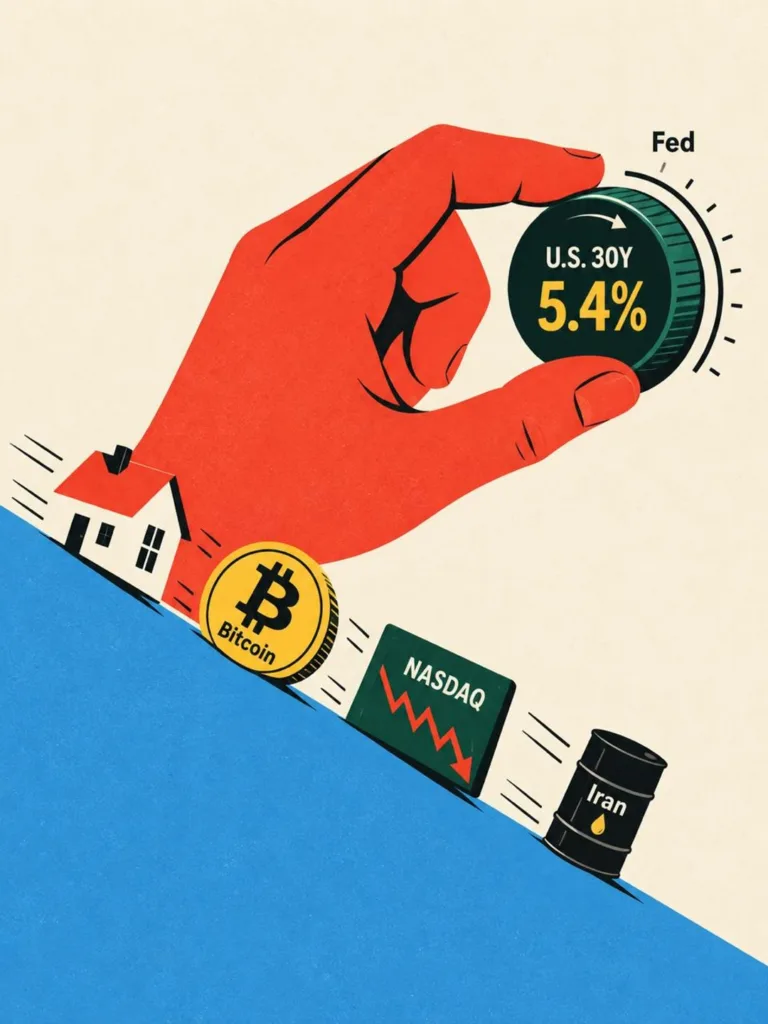
Treasury yields are the baseline interest rate used to price stocks, crypto and homes. When that baseline rises again, the math on what your assets are worth changes.
- Treasury yields are the baseline interest rate for every investment
A Treasury yield is the interest you earn by lending to the U.S. government. Because there is almost no risk of not being paid back, stocks, crypto and real estate all use it as the bar: "at least earn more than this."
Different maturities carry different worries. Short-term yields follow expectations of what the Fed will do with its key rate. The 30-year yield reflects whether investors are willing to take on U.S. government debt for decades to come. Right now, both are rising together.
- Oil prices and a hot economy stoked inflation fears
The first factor is oil. The war between the U.S. and Israel and Iran pushed up energy prices, and oil climbed to around $100 a barrel on Sept. 23-24.
The second is an economy stronger than expected. The U.S. composite PMI (a gauge of business conditions) released on Sept. 23 came in at 58.4, the highest since July 2021. That is far above 50, the line that separates growth from contraction. Companies' costs also rose at the steepest pace in four years. That means higher fuel and transport costs could spread into selling prices.
- The Fed has already hiked, and markets expect one more
On Sept. 16, the Fed raised its key rate by 0.25 percentage point to a range of 3.75% to 4%, its first hike since July 2023. Sixteen of 18 Fed officials projected at least one more hike this year.
On Sept. 23, Fed Governor Michael Barr said "further policy adjustments are likely to be needed to ensure inflation comes down to target in a timely fashion." When hot PMI data came out the same day, the odds of a hike at the Oct. 27-28 meeting rose to nearly 70%, according to CME FedWatch (a tool that uses interest-rate futures prices to calculate hike odds). They were 51% on Sept. 16, the day of the hike, and 8.8% a month earlier.
The 10-year yield has risen 1.25 percentage points since early March. TD Securities said most of that rise came from expectations that the Fed will hike further, with the rest from growth expectations and oil prices. If the Fed's key rate is expected to rise, interest on bank deposits and elsewhere rises too, so buyers of Treasuries demand higher interest as well. By CME FedWatch, markets see the most likely outcome as a key rate of 4.75%-5% by June 2027, four more hikes from today. The longer high rates are expected to last, the more a 30-year bond that locks up money for a long time must pay.
- The 30-year bond also carries worries about U.S. debt
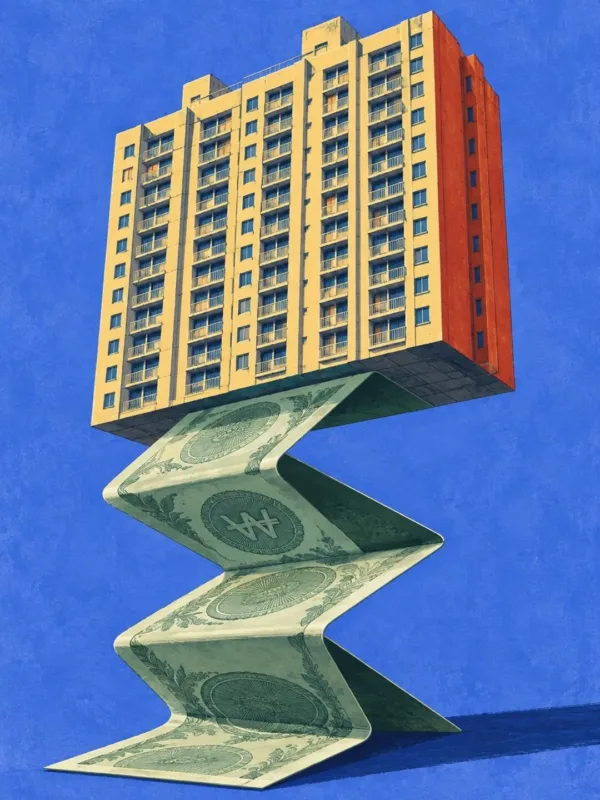
According to Bank of America (BofA), net interest costs on U.S. government debt reached a record 3.3% of GDP in the second quarter of 2026. In 2007, when the 10-year yield was around 5%, they were 1.7%. Rates are at a similar level, but the debt to service is far larger.
U.S. Treasury Secretary Scott Bessent expanded buybacks of long-term Treasuries in mid-August, but yields kept rising. Ed Al-Hussainy of Columbia Threadneedle said investors are saying that "if we're going to lock up our money for 30 years, we need much higher compensation." Bloomberg reported that heavier government borrowing is prompting investors to demand more compensation for locking up money for decades. The more Treasuries the government has to sell, the more interest it must offer to find buyers.
- When money costs more, the math on fair prices changes
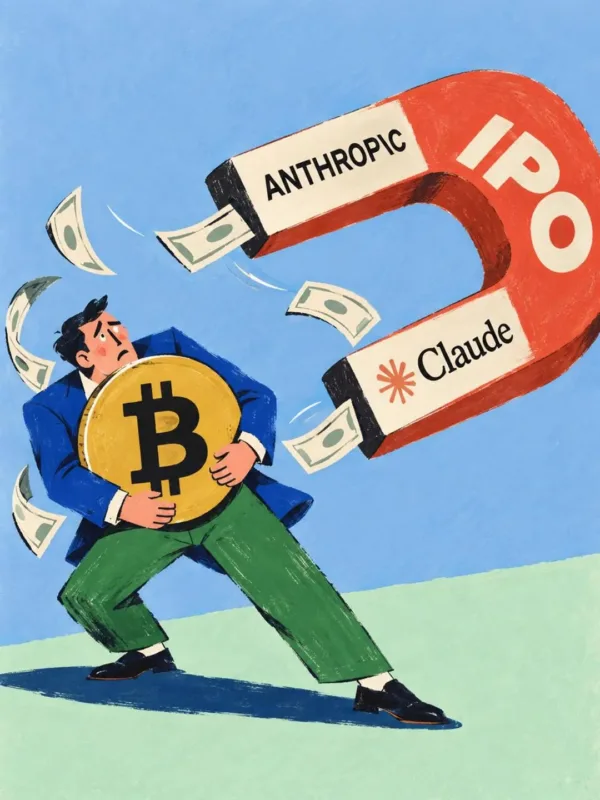
It works like a shop that earns rent. When bank deposits pay more, a shop whose rent stays the same looks less attractive, so its price falls. Stocks are also priced by converting future profits into today's value, so when the baseline rate rises, the same profits are worth less today. Assets that pay no interest, like Bitcoin, look less attractive as safe interest rises. After the PMI release on Sept. 23 sent Treasury yields higher, Bitcoin fell below $84,000.
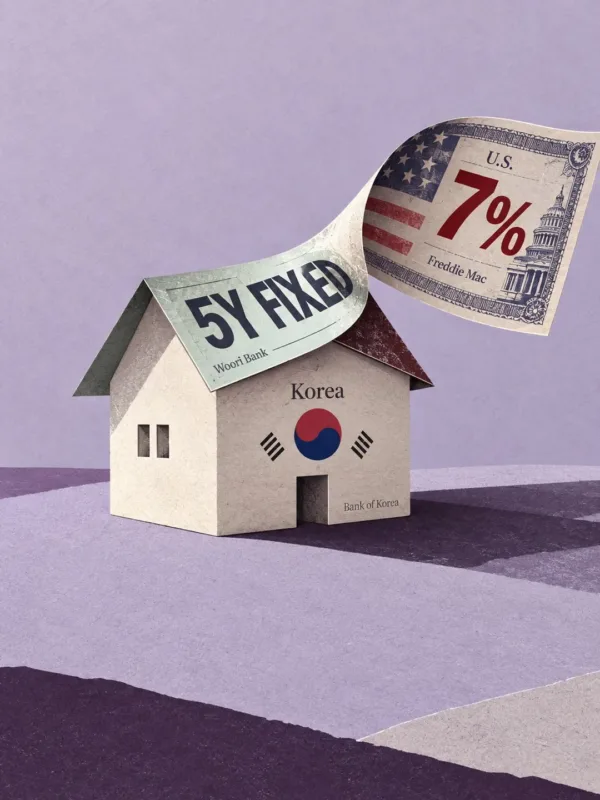
The hit lands first on the most rate-sensitive areas. The Nasdaq closed at a record on Sept. 22 but fell 1% on Sept. 23, with losses concentrated in utilities, real estate and financials. U.S. 30-year mortgage rates are in the 7% range, their highest in about two years, and with the 10-year yield breaking 5% this month, investors see 6% as the next pain threshold.
- BITPRESS Insight
This surge in yields is not a passing bond-market fit. Oil, a strong economy and government debt are pushing the basic price of money up again. An October hike, a scenario few expected a month ago, is now the market's default.
The hidden trap is the 30-year bond. Short-term rates may follow the Fed down if it stops hiking, but the 30-year bond carries the burden of U.S. debt. BofA said yields might have to rise significantly further before Washington gets serious about fiscal discipline. In other words, long-term rates may not come down easily even if the Fed pauses.
So what supports prices in this phase is not the hope that "rates will fall soon," but whether profits grow enough to beat high rates. The more an asset's price assumed rate cuts, the sooner its math changes.
Sources
https://finance.yahoo.com/markets/currencies/articles/us-30-yield-hits-highest-083706130.html
https://www.aol.com/articles/u-30-bond-yield-rises-090404000.html
https://finance.yahoo.com/markets/article/30-year-treasury-yield-hits-highest-level-since-2004–what-it-means-for-stocks-chart-of-the-day-123701823.html
https://www.federalreserve.gov/newsevents/pressreleases/monetary20260916a.htm
https://www.foxbusiness.com/economy/federal-reserve-interest-rate-decision-september-16-2026
https://www.americanbanker.com/news/feds-barr-further-policy-adjustments-are-likely
https://www.aol.com/articles/fed-barr-says-future-interest-231250000.html
https://stocktwits.com/news-articles/markets/equity/october-fed-rate-hike-odds-jump-to-nearly-70-as-fed-s-barr-says-more-tightening-is-likely/cZM7mivRBB0
https://www.heygotrade.com/en/news/global-bond-selloff-multi-year-high-yields-fed-rate-hike-bets-sept-flash-pmis/
https://www.cnbc.com/2026/09/24/us-treasury-yields-bonds-fed-inflation.html
https://finance.yahoo.com/markets/crypto/articles/bitcoin-falls-below-84-000-145240094.html
https://www.coindesk.com/markets/2026/09/24/traders-are-pricing-in-4-fed-rate-hikes-as-bitcoin-slides-below-usd83-000
Glossary
Government bond yields — The interest you earn by lending to a government. Because there is almost no risk of not being paid back, it is the benchmark for every investment return.
30-year bond — A government bond that repays its principal after 30 years. Because money is locked up for so long, worries about inflation and government debt weigh heavily on its yield.
Benchmark rate — The basic price of money set by a central bank. When it rises, loan and deposit rates follow.
PMI — An index built by asking companies' purchasing managers about business conditions. Above 50 means the economy is expanding.
CME FedWatch — A tool that uses interest-rate futures prices to calculate the odds that the Fed will raise rates at its next meeting.