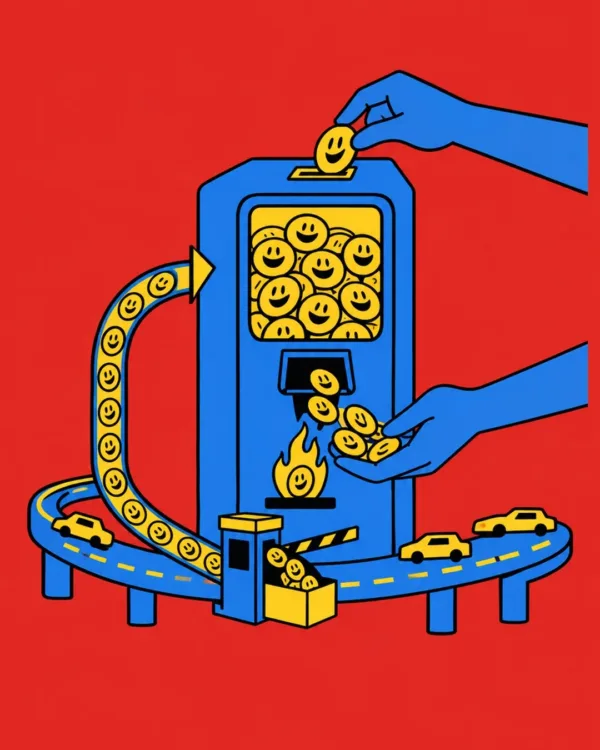
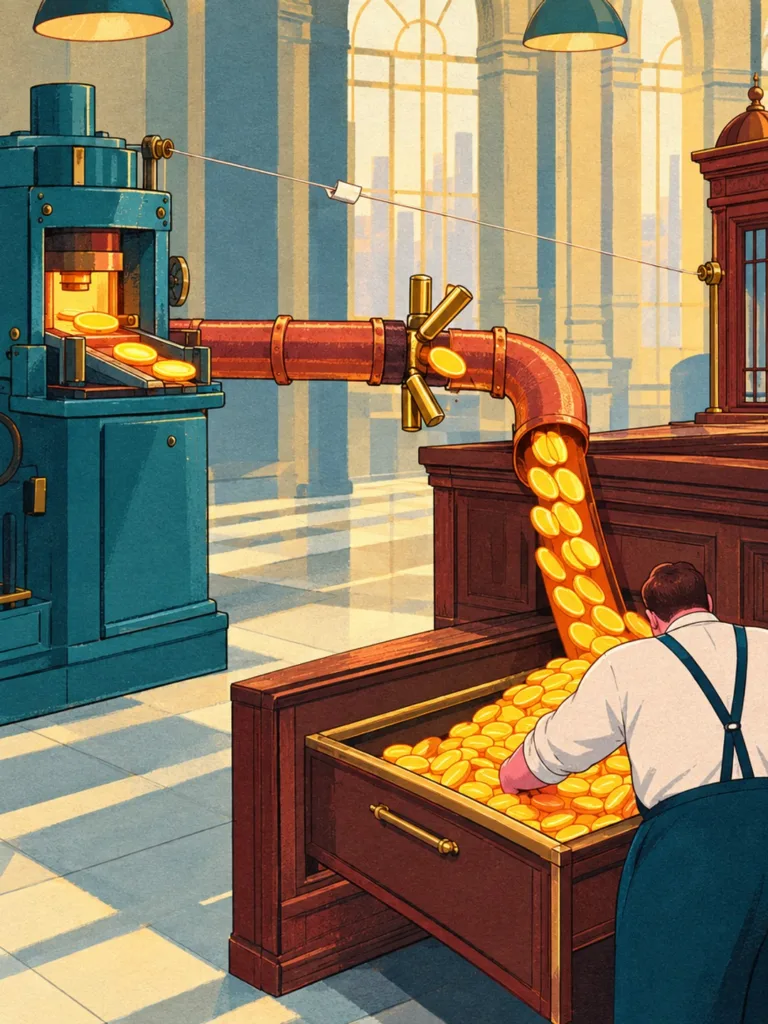
Binance, the world's largest crypto exchange, bought $100 million of Circle stock on Sept. 17. Circle is a US-listed company that issues USDC, a coin pegged one-to-one to the dollar.
News like this usually ends with “an exchange invested in a company.” But the same contract also spells out money flowing the other way. Circle will pay Binance a fee every month for the next five years. The side that put in $100 million also collects fees.
Unpacking this deal shows who actually makes money from stablecoins. If you hold Circle stock or USDC, this is about where your money gets divided up.
- Money flows in two directions
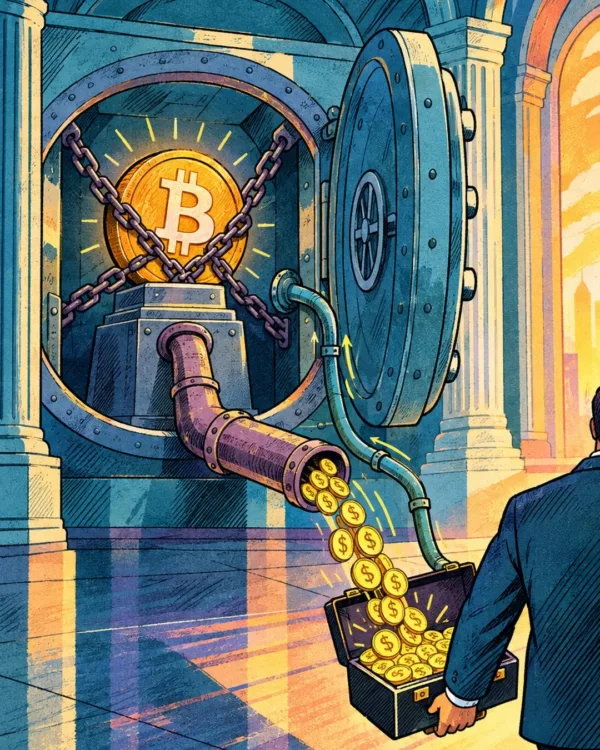
The first flow goes from Binance to Circle. Binance bought 1,237,011 newly issued Circle shares at $80.84 each. That is $4.25 below the Sept. 17 closing price of $85.09, and the $100 million went to Circle.
The second flow goes from Circle to Binance. Circle pays Binance, every month, a set percentage of the USDC held on Binance through Circle's wallet feature. The rate wasn't disclosed, and the term is five years.
Binance cannot sell the shares it bought for two years or until Binance terminates the agreement, whichever comes first. In short, $100 million comes in once, and fees go out every month for five years.
- Circle earns not from coins but from interest on the dollars it holds
USDC is a coin created when someone deposits $1, which produces 1 USDC. Circle puts the deposited dollars into safe assets such as short-term US Treasuries and collects the interest. Circle pays no interest to USDC holders. The US stablecoin law (the GENIUS Act) also bars issuers from paying interest to holders.
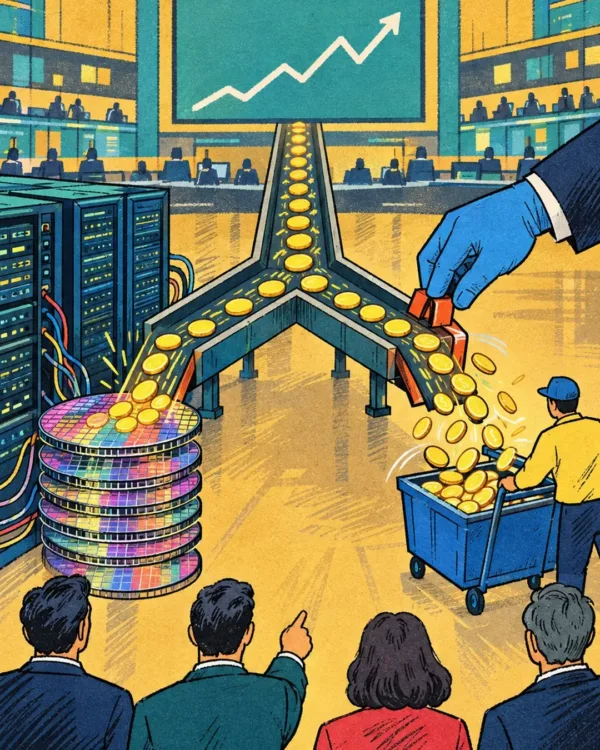
So Circle is close to a bank that pays no interest. In the second quarter, $668 million of Circle's $701 million in total revenue was this interest (reserve income).
The size of this bank depends on how much USDC is outstanding. At the end of the second quarter, $73.3 billion of USDC was in circulation, up 19% from a year earlier. Conversely, when someone returns USDC and takes dollars back, there is that much less money to invest, and the interest disappears with it. That is why, for Circle, what matters most is that USDC stays put for a long time.
- Why does the bank hand money to the teller window?
The problem is that the customers are at the exchanges, not at Circle. While trading coins, people hold USDC instead of dollars for a while, and that USDC piles up in exchange accounts. In bank terms, the exchange controls the busy teller window.
An exchange could put a stablecoin other than USDC up front. Which coin sits at the window changes the issuer's income, so issuers pay to buy that spot. That is why Circle hands over part of its interest, based on things like the USDC balance sitting at the window. In the second quarter, Circle's distribution, transaction and other costs were $412 million, about 59% of total revenue. What remained as net income from continuing operations was $48 million.
The window that gets the biggest share is US exchange Coinbase. Circle paid $1.4 billion in Coinbase-related distribution costs over 2025. Binance, the world's No. 1 by trading volume, is another big window.
- Why did Binance buy stock on top of collecting fees?
This isn't the two companies' first deal. Under a November 2024 agreement, Circle paid Binance $60.25 million upfront plus monthly fees. In August 2025, an expanded four-year agreement was added covering USDC held in Circle's wallet feature. The new deal replaces both.
This time, the upfront cash flows the other way. Where Circle used to throw in cash, Binance put in $100 million for shares, and the term was extended to five years. Binance agreed to step up promotion and integration of USDC in its app, focusing on emerging markets. Circle issued new shares about 5% below market price, and in return locked in a big window for five years and received cash.
Binance became both a window and a shareholder. The more USDC piles up on Binance, the more fees it earns, and if Circle's business grows, its shares have room to rise too. With Circle closing at $94.49 on Sept. 21, the value of Binance's stake grew to $116.9 million.
- BITPRESS Insight
More USDC and more money for Circle are not the same thing. Depending on whose window the extra USDC sits at, a big share of the interest flows out to that window.
In the second quarter, Circle earned more than $700 million but paid out more than half as distribution, transaction and other costs, and a large share went to the windows. That means bargaining power in the stablecoin business lies with the exchanges that have the customers, not with the company minting the coin. In this deal, Binance cashed in that bargaining power in two ways: fees and equity.
So Circle's profit is squeezed between interest rates and the windows' share. When rates fall, interest shrinks (the second-quarter reserve return rate fell 0.66 percentage points from a year earlier), and the stronger the windows, the bigger the share Circle hands over. Circle's earnings are best read as a tug-of-war between these two forces, rather than through USDC issuance.
Sources
https://www.sec.gov/Archives/edgar/data/0001876042/000187604226000276/crcl-20260917.htm
https://www.circle.com/pressroom/binance-invests-100-million-in-circle-expands-strategic-partnership-and-renews-commercial-agreement-for-five-years
https://www.circle.com/pressroom/circle-reports-second-quarter-2026-results
https://www.circle.com/usdc
https://crypto.news/binance-takes-100-million-stake-in-circle-with-five-year-usdc-agreement/
https://unchainedcrypto.com/binance-becomes-a-circle-shareholder-in-100-million-stock-sale-tied-to-usdc-deal/
https://cryptoslate.com/usdc-keeps-winning-but-circles-distributors-are-taking-more-of-the-prize/
https://coinlaw.io/crypto-exchange-ranking/
Glossary
Stablecoin — A coin pegged one-to-one to real money such as the dollar, so its price barely moves.
USDC — A stablecoin issued by US company Circle; behind each USDC is one deposited dollar.
Reserve income — Interest earned by putting the dollars received for USDC into safe assets such as government bonds; most of Circle's income.
Distribution costs — Money Circle hands to places where USDC piles up, such as exchanges, in proportion to the balance.
Lock-up — A commitment not to sell or transfer shares received for a set period.