One coin rose 18,000% in under two months. PONS, worth $0.0033 on July 17, hit $0.5978 on Sept. 3. That is 181 times.
This coin was born on the blockchain that Robinhood (the stock app most used by US retail investors) launched on July 1. It looks like a typical memecoin frenzy, but following the structure shows where money actually piles up during a frenzy.
- A coin up 18,000%: what is PONS?
PONS is a coin issued by the Pons app. The Pons app is a service that lets anyone mint memecoins (coins built around jokes or trends with no real business behind them) in a few clicks. Pick a name and symbol, pay about $1, and a coin is created and opens for trading right away.
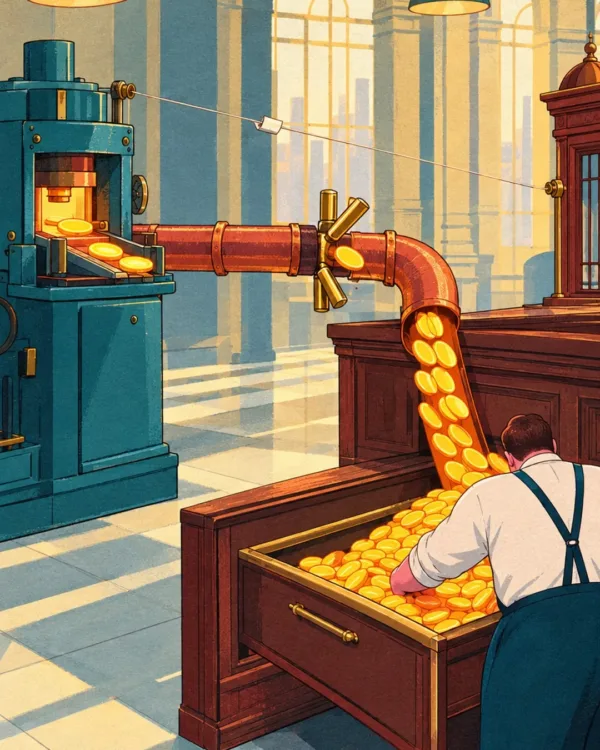
The Pons app makes money every time the coins minted this way are traded. A 1% fee is charged on trading value, and the app takes part of it. The more memecoins are traded, and the more often, the more the app earns.
- Why did PONS rise?
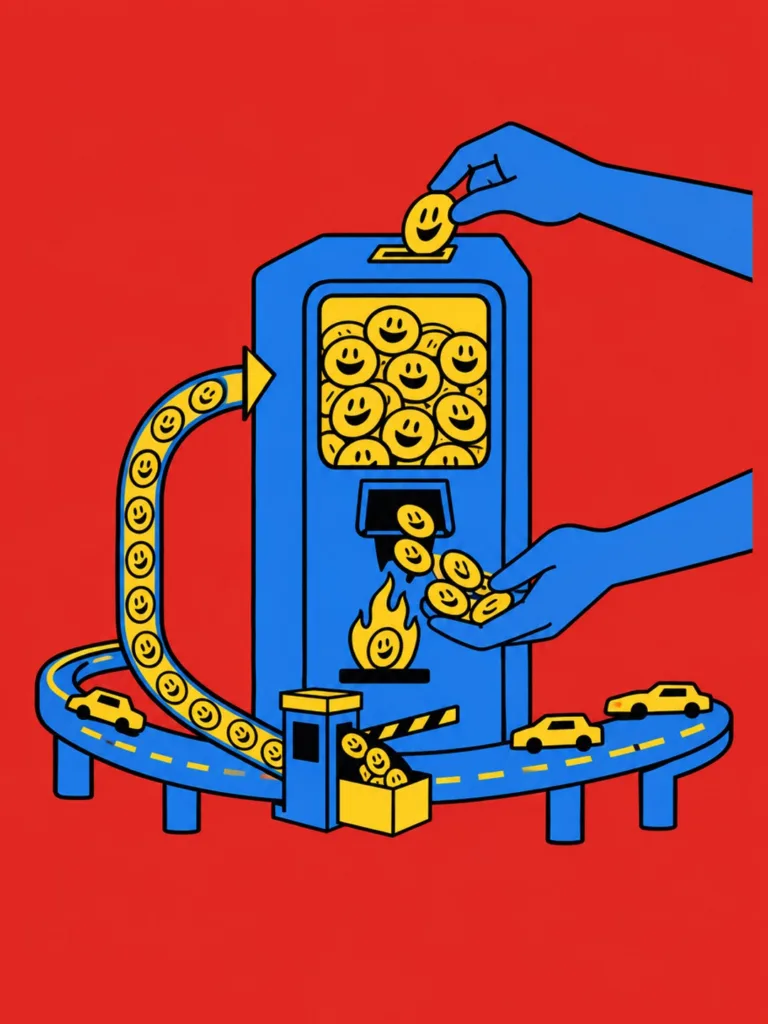
The Pons app uses about 80% of the money it earns for itself to buy PONS on the market and destroy it permanently. In stock terms, it is a buyback and cancellation, where a company uses its earnings to buy and burn its own shares. Instead of paying out its earnings as dividends, the app returns them to PONS holders by increasing the share each remaining PONS represents.
Buy orders keep coming as long as memecoin trading continues. But because the PONS bought back is destroyed rather than resold, the number of coins left on the market shrinks. By Sept. 3, 29% of the original supply of 1 billion had vanished this way.
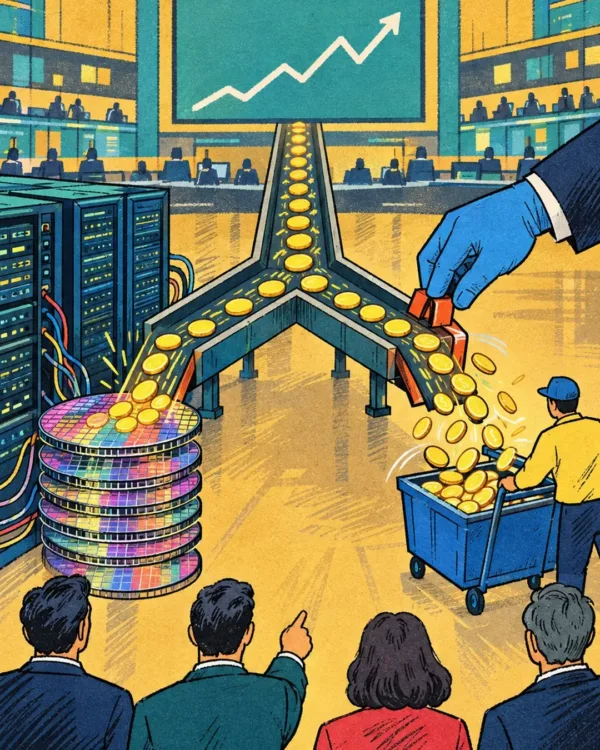
Money to buy keeps coming in while there is less and less to sell, which creates upward pressure on the price. A crypto outlet that analyzed PONS also pointed to this buyback-and-burn structure, not just the Robinhood Chain craze, as what drove PONS back up. Its listing on Binance Wallet's trading list on Sept. 2 added to it.
- What does this have to do with Robinhood?
All of this trading happened on Robinhood Chain, Robinhood's own blockchain launched on July 1. An app store is a good comparison: Robinhood runs the marketplace, and anyone can build the apps that run on it. The Pons app, too, was built by another developer, not Robinhood.
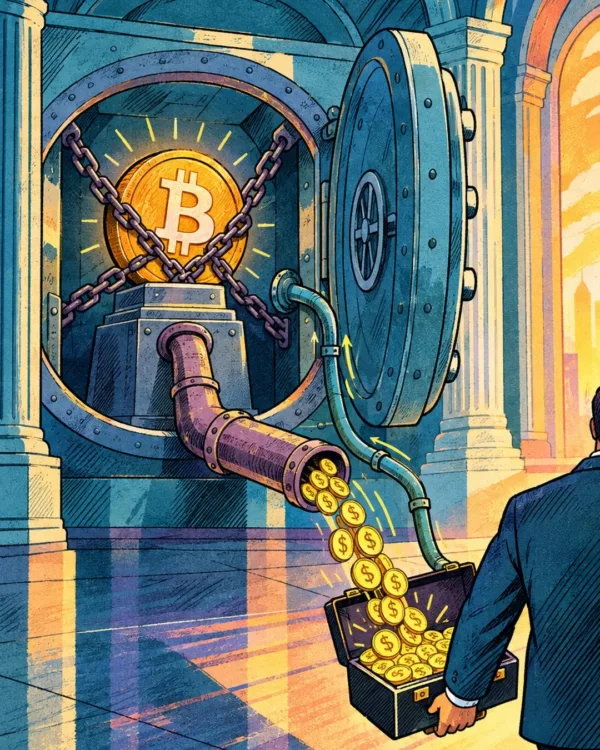
The marketplace owner gets paid on every transaction. Each time you ask the blockchain to process a transaction, a usage fee (gas fee) applies, and what is left after costs such as recording on Ethereum becomes revenue for the marketplace operator. Whether the coin buyer wins or loses, fees pile up with every trade.
And the customers who kept this marketplace busiest were memecoins. As of July 27, 79.2% of trading value on the chain's exchanges was memecoins. Real-world assets such as stocks were 9.69%, and the rest 11.1%.
- Why is Robinhood all the rage these days?
Robinhood's original purpose for the marketplace was stocks. When it launched the chain on July 1, it opened 24-hour trading of stock tokens (coins designed to track share prices) to users in about 120 countries (excluding the US). It let people invest in stocks even at night when stock exchanges are closed.
But what heated up the marketplace was memecoins. On Sept. 2, Robinhood Chain users paid $4.45 million in fees, more than the combined total that day on three blockchains: Ethereum, Solana and Tron. A stock app's blockchain, open for just two months, beat the crypto industry's flagship chains in daily fees.
From day one, Robinhood drew users by paying the fees on swaps made in its own wallet. The perk is set to run through the night of Sept. 29. So the fees collected on the chain during this period include money Robinhood paid on users' behalf.
- What happened when the frenzy cooled?
At the early-September peak, the chain collected about $8 million in fees from 13.1 million transactions in a day, or 64 cents per transaction. On Sept. 16 that dropped to about $230,000 from 8.9 million transactions, or 2.6 cents each. The number of transactions fell 32%, but fees fell 97%.
The premium draining out mattered more than people leaving. When trading surges and the marketplace gets crowded, fees rise automatically; on Sept. 2 the base fee climbed to 23 times its floor. Once the crowding eased, per-transaction fees came down. In the seven days through Sept. 16, trading value on the chain's exchanges was about $13 billion, up 5% from the previous week.
The Pons app was a different story. Its trading value for Sept. 10-16 was about $616 million, down 37% from the week before, and weekly revenue went from $10.7 million to $5.8 million. The money available to buy PONS nearly halved in a single week. PONS peaked at $0.971 on Sept. 5 and had fallen to around $0.65 by Sept. 22.
- BITPRESS Insight
In a frenzy, the surest money is made not by the coins but at the tollgate that trades pass through. Whoever wins or loses, every trade drops a fee.
PONS was a coin leaning on that tollgate. Because the buy orders propping up its price came from trading fees collected by the Pons app, the money to buy shrank first when memecoin trading dropped. For a coin that buys itself back with fees, trading volume is its buying pressure.
Robinhood owns the road itself. In mid-September, fees fell 97%, but transaction counts fell only 32% and trading value actually rose. The premium may drain away, but the road remains. Whether memecoins or stock tokens travel on it, the fees belong to the owner of the road.
Sources
https://decrypt.co/377349/pons-robinhood-chain-meme-coin-token-factory
https://decrypt.co/resources/what-robinhood-chain-ethereum-layer-2-network-tokenized-stocks
https://www.coindesk.com/tech/2026/09/03/a-memecoin-making-app-becomes-crypto-s-top-fee-generators-as-robinhood-chain-activity-explodes
https://www.coindesk.com/business/2026/09/19/robinhood-chain-fees-collapse-97-even-as-transactions-stay-near-record-highs
https://thedefiant.io/news/blockchains/robinhood-chain-gas-fees-jump-82-fold-in-11-days-to-top-every-other-chain
https://robinhood.com/us/en/newsroom/robinhood-accelerates-global-expansion-robinhood-chain-mainnet-stock-tokens-agentic-trading/
https://www.coingecko.com/learn/robinhood-chain-built-for-rwa-loved-for-memes
https://www.coingecko.com/en/coins/pons
https://api.llama.fi/summary/fees/robinhood-chain?dataType=dailyFees
https://api.llama.fi/summary/fees/pons?dataType=dailyFees
Glossary
Memecoin — A coin built around jokes or trends with no real business behind it; its price swings widely with attention.
Buyback and burn — Using earnings to buy back your own coins (or shares) and destroy them permanently, increasing the share each remaining one represents.
Gas fee — The fee paid to have a blockchain process a transaction; it gets pricier the more crowded the network is.
Robinhood Chain — The blockchain Robinhood launched on July 1, a marketplace where anyone can build and launch apps.
Stock token — A coin built on a blockchain to track a share price, tradable even when stock exchanges are closed.