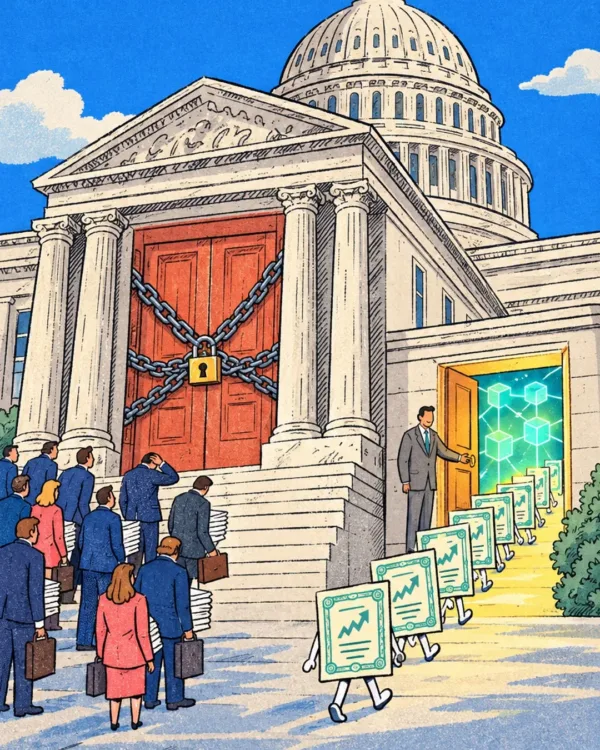
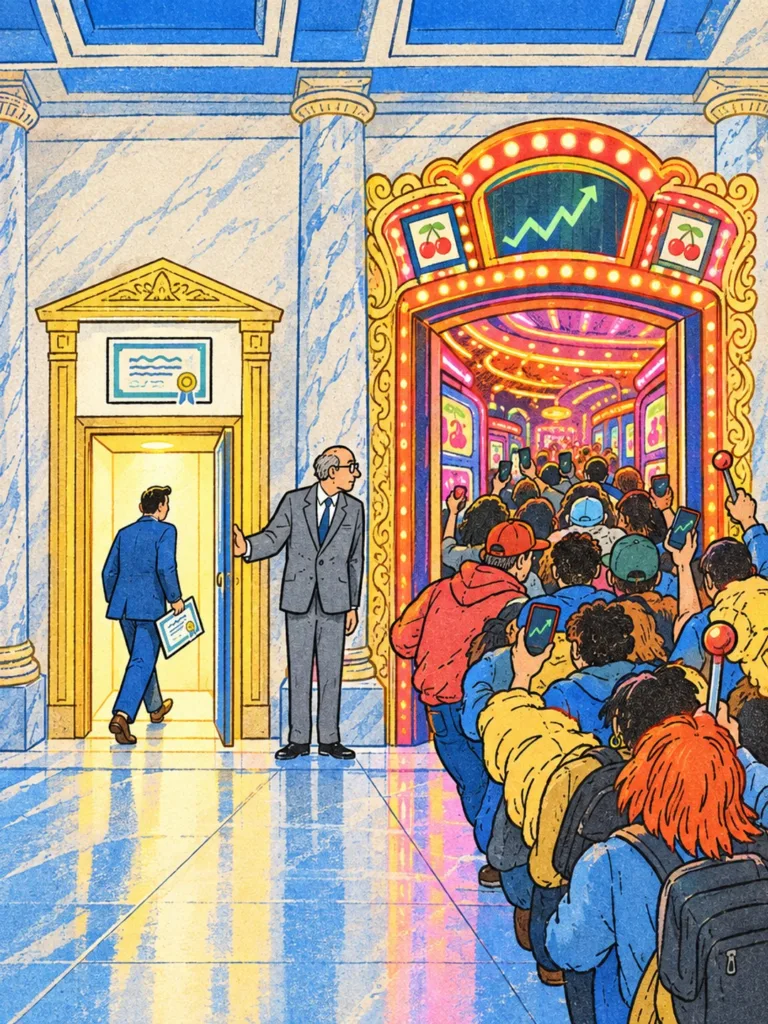
The US Securities and Exchange Commission (SEC, the agency that oversees the US stock market) on Sept. 17 opened a path for stocks to be bought and sold on a blockchain. It is an experiment, allowed for only five years and with conditions attached. Expectations quickly followed that Americans would soon trade US stocks around the clock, like crypto.
But a brokerage analysis released the same week paints the opposite picture. A look at stocks that already trade as tokens showed investors barely bought the token versions. Understanding why they won't buy even with approval shows where money in this market will move first.
- Stock tokenization puts the same contents in new packaging
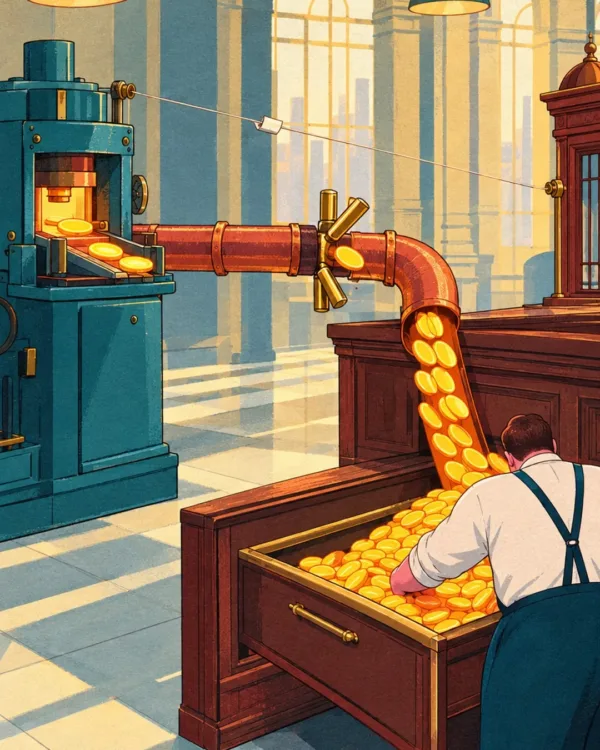
Stock tokenization turns a stock into a digital certificate on a blockchain, a token. Think of it as putting the same contents in new packaging. The contents, the stock, stay the same; only the packaging changes, from a broker's ledger to a blockchain.
What the SEC approved this time is exactly that packaging. Token holders must be able to receive dividends and vote just like original shareholders. Synthetic and derivative tokens that only track the price without holding the stock were left out.
- The same stock was sold in two packages, and nearly everyone bought the old one
One company has already run this experiment. Figure Technology Solutions (a Nasdaq-listed company that handles lending and funding transactions on a blockchain) had its regular stock, FIGR, and its blockchain stock, FGRS, trade side by side. Both carry identical economic and voting rights.
According to a Sept. 18 report from TD Securities (the investment banking arm of Canada's Toronto-Dominion Bank), over a 24-hour period, 99.9% of the company's trading value came from the regular stock. Even with identical contents, investors almost all chose the familiar packaging.
The companies issuing stock are lukewarm too. TD Securities spoke with dozens of listed companies, including several with many retail shareholders, and found almost no interest in tokenizing their own shares outside of companies like Figure that are already close to crypto.
- For US investors, the new packaging offers nothing better
The reason is simple. US investors can already buy the original stock easily and efficiently through a brokerage account. To switch to the new packaging, the gain has to be clear enough to justify the hassle.
Instead, the downsides show up first. Few people buy and sell tokenized stocks. Just as it is hard to sell at the price you want in a shop with few customers, thin trading makes it easy to get filled at a bad price. There is also extra operational hassle.
Even the advantage of 24-hour trading, like crypto, is only half true. TD Securities argued that being open overnight doesn't mean better trades, and that thin trading actually produces worse prices. Its conclusion: neither retail nor institutional investors will use it much for now.
- What the crypto market wanted from stocks was leverage, not ownership
So what did people trading stock prices on crypto exchanges want? According to the same report, at one point in data from crypto exchange Binance, 96% of trading value linked to Nvidia's price came from perpetuals.
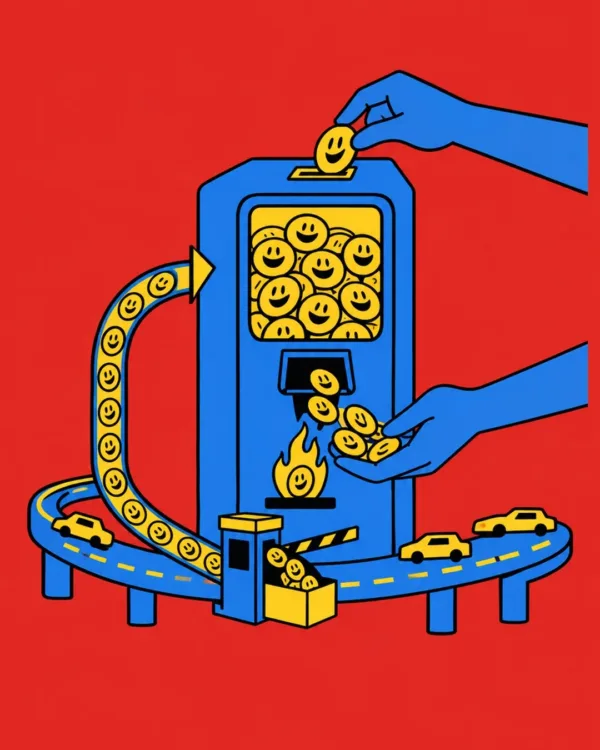
A perpetual is a futures contract with no expiry that keeps rolling over; you bet only on price moves without owning the stock. The key is leverage, moving large amounts with little money. In packaging terms, these traders weren't trying to buy the contents; they were betting on the price tag. TD Securities also cited retail demand for leverage as the reason such products will keep growing.
Yet this approval sidestepped exactly that. Derivative tokens that only track the price are excluded, and approved platforms cannot lend investors money for margin trading. Where the demand is and where the permission was granted are two different places.
- While retail trading lags, institutional plumbing is changing first
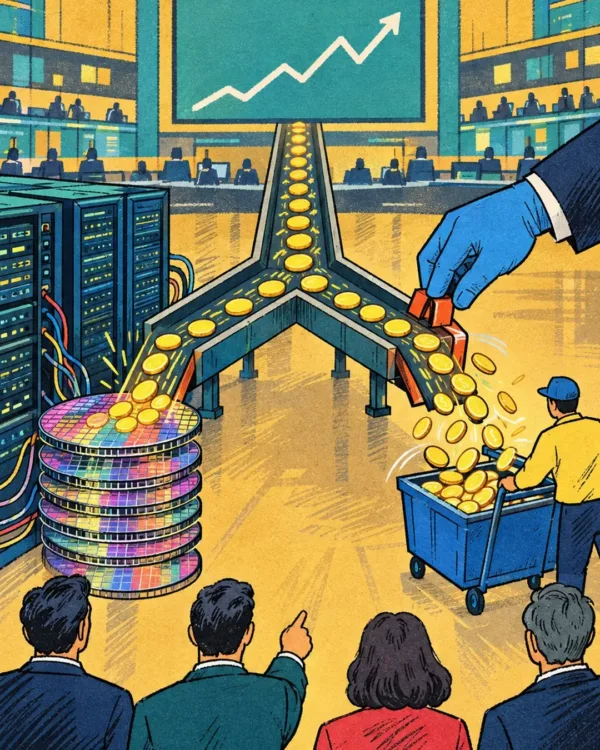
If retail trading is slow, where will tokenized stocks be used? Ondo Finance, which tokenizes and sells stocks, has opened a way for qualified institutions to convert stocks and ETFs they already hold directly into tokens, and back into the original shares.
Because no new cash has to be put in, funding costs and timing burdens could fall, the company says. This isn't about selling a new product to individuals; it is about changing the back-end plumbing that moves assets institutions already hold into tokens.
- BITPRESS Insight
A product that only changes the packaging won't sell even when regulators allow it. Investors move only when the new thing offers something the original can't. Tokenized stocks don't yet offer US individuals anything new, and the leverage people actually wanted was left out of this approval.
So reading the news that ‘the US has approved stock tokenization’ as a sign that retail trading will pour in is a mistake. For now, money in this market will move first through institutions' back-end plumbing, not through individuals' trading screens.
The weight of tokenization news depends not on whether approval was granted but on whether the new version beats the original. Tokenization with no advantage is regulatory news, not trading news.
Sources
https://www.sec.gov/newsroom/press-releases/2026-90-sec-issues-innovation-exemption-facilitate-trading-tokenized-nms-stock-request-comment
https://www.sullcrom.com/insights/memo/2026/September/SEC-Issues-Innovation-Exemption-for-Tokenized-Securities
https://www.coindesk.com/markets/2026/09/21/why-this-investment-bank-sees-little-demand-for-tokenized-stocks-despite-sec-s-new-trading-rules
https://www.sec.gov/Archives/edgar/data/2064124/000149315226001230/ex99-1.htm
https://www.tdsecurities.com/ca/en
https://cointelegraph.com/news/ondo-lets-institutions-convert-stocks-directly-into-tokenized-shares
Glossary
Stock tokenization — Turning a stock into a digital certificate on a blockchain; the contents stay the same and only the packaging changes.
Perpetual — A futures contract with no expiry that keeps rolling over, betting only on price moves without owning the stock.
Leverage — Using borrowed money or margin to move more money than you have, which magnifies both gains and losses.
Thin trading — A state where few people are buying and selling, making it hard to buy or sell right away at the price you want.
Margin trading — Buying stocks with money borrowed from an exchange or broker; the most common way to use leverage.