Bitcoin started out as an asset no government could control. No central bank could issue it at will, no single country could take over the network, and it operated outside the traditional financial system. That was its most powerful narrative.
Now the United States has declared that instead of selling that Bitcoin, it will put it in the national vault. Bitcoin, once called an anti-government asset, is becoming a new tool within America's financial strategy.
Here, the word weapon has no military meaning. It means a strategic tool in the contest over dollar dominance, digital asset regulation and global financial infrastructure. The U.S. cannot control Bitcoin, but it can hold it, institutionalize it and use it as a political message.
- What the U.S. built is not a buying plan but a custody strategy
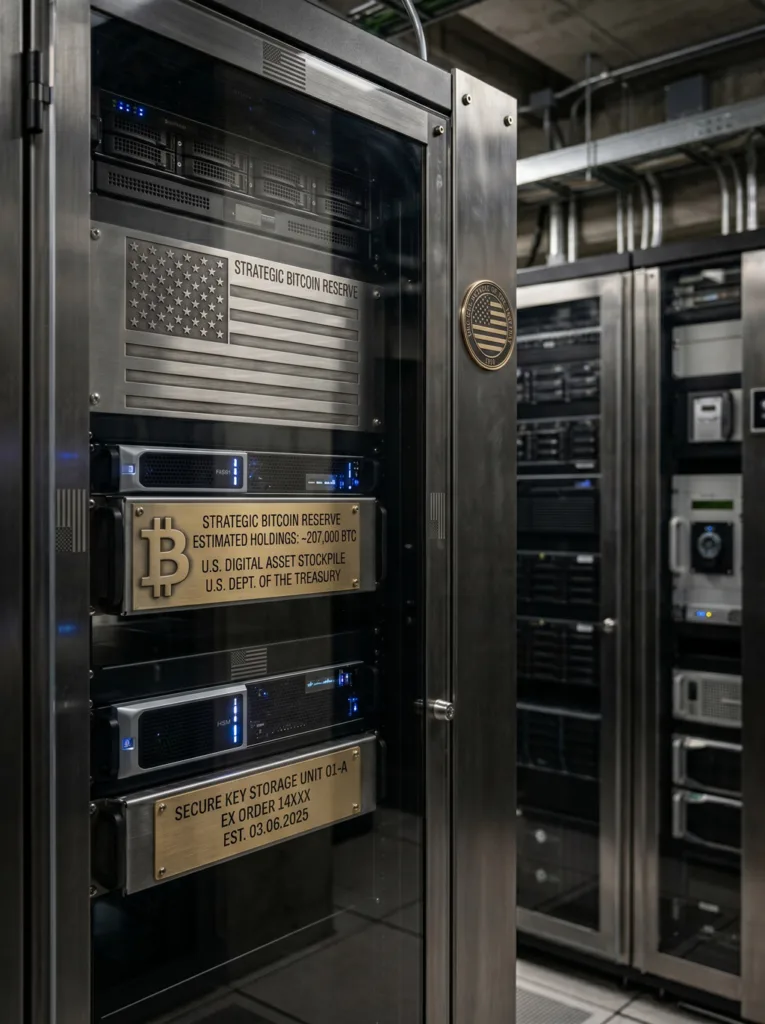
On March 6, 2025, President Trump signed an executive order establishing a Strategic Bitcoin Reserve and a U.S. Digital Asset Stockpile.
※ Executive order: a formal order from the U.S. president directing federal agencies on how to carry out policy. It is not the same as a law, but it directly affects how the federal executive branch operates.
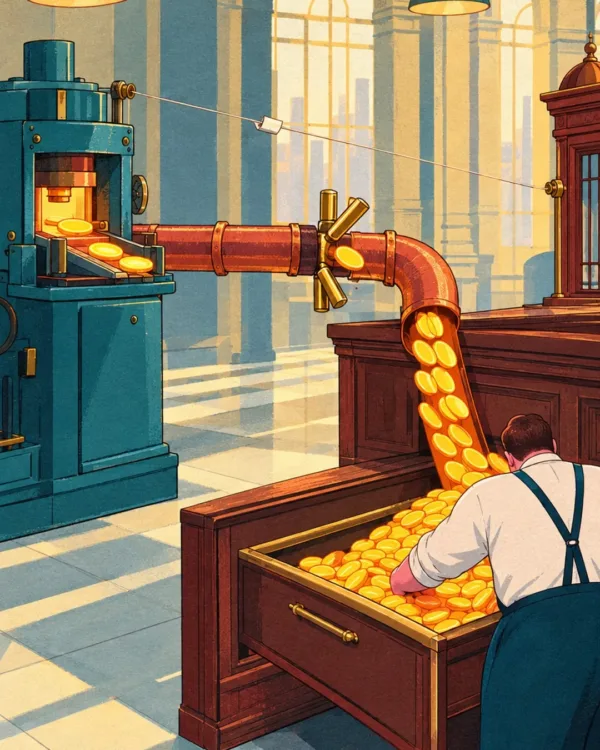
Parts of the market expected the U.S. government to buy Bitcoin directly on a large scale. The actual content was different. At its core, the order gathers in one place the Bitcoin the U.S. government already acquired through criminal and civil forfeiture, and declares that it will not sell it.
※ Forfeiture: the government taking ownership of assets through legal proceedings in criminal or civil cases.
The U.S. government is estimated to hold about 207,000 Bitcoin, worth about $17 billion at market prices when the executive order was signed. More striking is that by selling some of its Bitcoin early in the past, the U.S. government had already forgone more than $17 billion in potential gains. The executive order reflects that lesson.
In short, this policy is not about buying more. It is the first time the U.S. has formalized who holds the Bitcoin it already owns, when it will or won't sell, and what it will be used for.
- An anti-government asset has entered America's vault
Bitcoin's origin story began with distrust of state power. Now the most powerful state of all has stepped up to put that Bitcoin in its vault. It is an ironic scene.
That does not mean Bitcoin's decentralization is collapsing. The U.S. government cannot print Bitcoin or change the network's rules either. But its market meaning does change. Until now, Bitcoin's main narrative grew around retail investors, miners, ETFs and institutional investors. Now a nation, the United States, has joined them.
Bitcoin can no longer be described only as “an asset governments dislike.” There is now a new layer: “a digital reserve asset that the U.S. government intends to manage and hold.”
※ Reserve asset: an asset that a government or central bank holds for financial stability, external payment capacity and similar purposes. It typically includes gold, foreign currency and government bonds.
- Bitcoin is becoming not the dollar's enemy but the dollar's tool
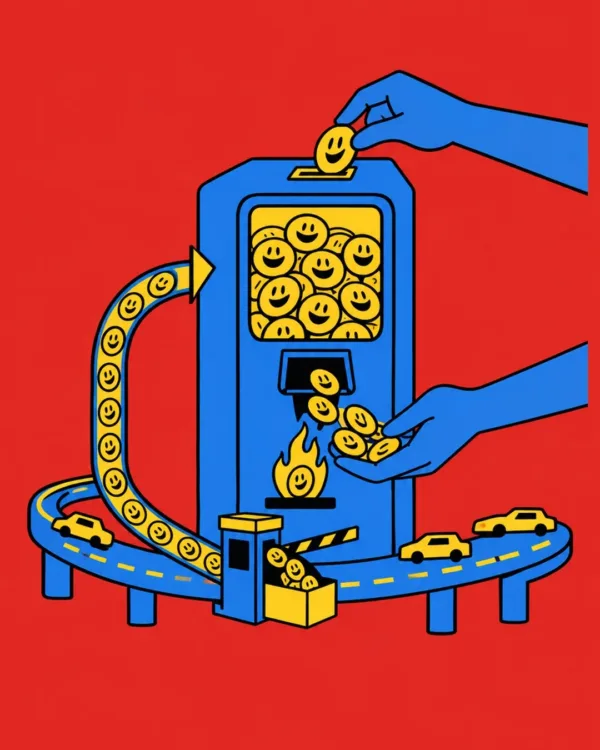
The claim that Bitcoin will replace the dollar is an old one. But this policy points the other way. Rather than seeing Bitcoin as the dollar's enemy, the U.S. is trying to pull it into the dollar-centered financial system.
The U.S. cannot control Bitcoin. But it can hold it, institutionalize it, regulate it and set market standards. If the U.S. holds Bitcoin, regulates stablecoins and brings exchanges and custody infrastructure into the regulated system, the global digital asset market will increasingly follow American rules.
※ Stablecoin: a digital asset designed to peg its value to a fiat currency such as the dollar or to short-term government bonds.
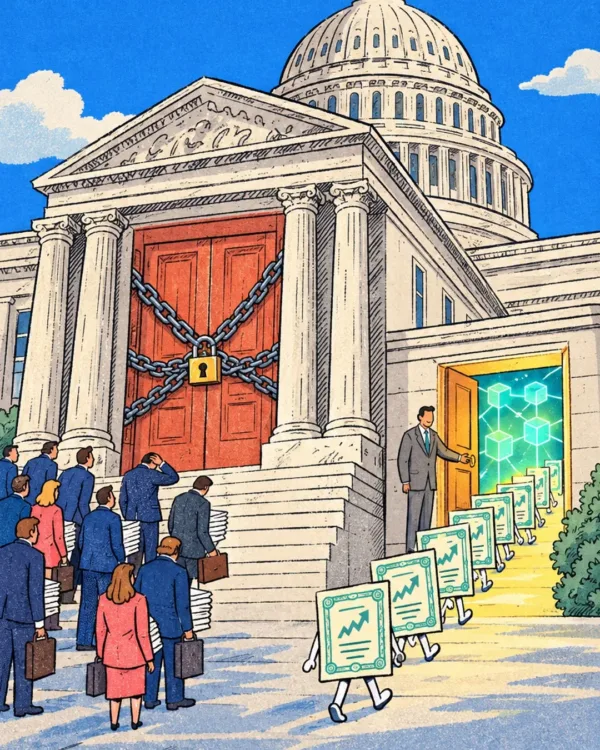
The Trump administration's January 2025 executive order points the same way. Aiming to strengthen U.S. leadership in digital finance, it made building out a regulatory framework for private digital asset markets and stablecoins a key task, while maintaining a negative stance on CBDCs.
※ CBDC (Central Bank Digital Currency): digital money issued directly by a central bank.
In the end, America's strategy is simple. It is not to eliminate Bitcoin but to build a structure in which the bigger Bitcoin grows, the bigger U.S. financial markets and the U.S. regulatory system grow along with it.
- For investors, the shift in status matters more than price
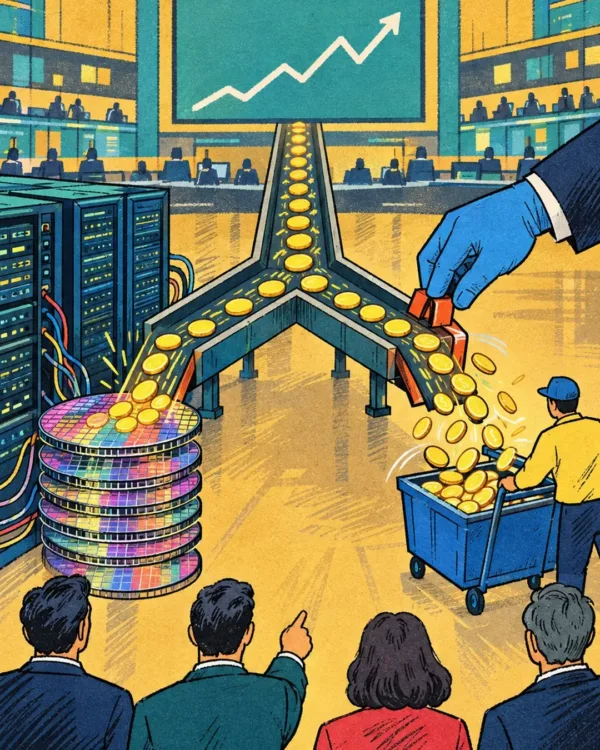
The declaration of a Strategic Bitcoin Reserve does not guarantee that Bitcoin's price will rise. The actual price depends on many variables, including interest rates, liquidity, ETF flows and appetite for risk assets.
But the question this change poses to investors is about status more than price. There are four things to watch going forward.
First, how transparently the U.S. government accounts for the digital assets it holds. No full audit has ever been done, and the executive order directed all federal agencies to report their digital asset holdings within 30 days.
Second, whether a budget-neutral strategy for acquiring more actually emerges. The executive order states that the Treasury and Commerce departments may explore ways to acquire additional Bitcoin at no cost to taxpayers.
※ Budget-neutral: designing a new policy so that it requires no additional taxes or fiscal burden.
Third, whether Congress passes legislation to give the executive order a stronger legal footing. Rep. Byron Donalds has introduced a bill to write it into law.
Fourth, how countries outside the U.S. respond. If the U.S. formally treats Bitcoin as a reserve asset, it could influence discussions at other countries, public institutions and pension funds.
For Korean investors, too, this issue is not simply about whether to buy Bitcoin. If the U.S. strengthens a dollar-centered digital financial network through stablecoins and a Bitcoin reserve, an era is coming in which you need to watch your dollar-asset allocation and currency risk more closely.
BITPRESS Insight
The heart of this policy is not “the U.S. is buying Bitcoin” but “the U.S. has declared it will not sell Bitcoin.” Judged by short-term price alone, it may look like weaker news than expected. Institutionally, however, it is a far more important change, because the U.S. government has for the first time classified Bitcoin not as mere seized property but as a reserve asset the nation can hold.
Bitcoin's biggest change is not its price but where it belongs. The Bitcoin network is still decentralized, and the U.S. government cannot change its rules or increase its supply. But the moment the U.S. puts Bitcoin in its vault and makes it subject to accounting and regulation, its position in the market changes.
The important question for investors is not “how high will Bitcoin go?” It is “what kind of asset will Bitcoin be treated as from now on?” If the U.S. has begun to speak about Bitcoin in the language of strategic assets, the market will eventually reflect that change in status in both prices and institutions.
Sources
White House, Establishment of the Strategic Bitcoin Reserve and United States Digital Asset Stockpile
https://www.whitehouse.gov/presidential-actions/2025/03/establishment-of-the-strategic-bitcoin-reserve-and-united-states-digital-asset-stockpile/
White House, Fact Sheet: President Donald J. Trump Establishes the Strategic Bitcoin Reserve and U.S. Digital Asset Stockpile
https://www.whitehouse.gov/fact-sheets/2025/03/fact-sheet-president-donald-j-trump-establishes-the-strategic-bitcoin-reserve-and-u-s-digital-asset-stockpile/
White House, Strengthening American Leadership in Digital Financial Technology
https://www.whitehouse.gov/presidential-actions/2025/01/strengthening-american-leadership-in-digital-financial-technology/
Reuters, Trump signs order to establish strategic bitcoin reserve
https://www.reuters.com/technology/trump-signs-order-establish-strategic-bitcoin-reserve-white-house-crypto-czar-2025-03-07/
AP News, Trump signs executive order to establish government bitcoin reserve
https://apnews.com/article/5c91a1ab3dab9a8c86d4bc42b8db3f8f