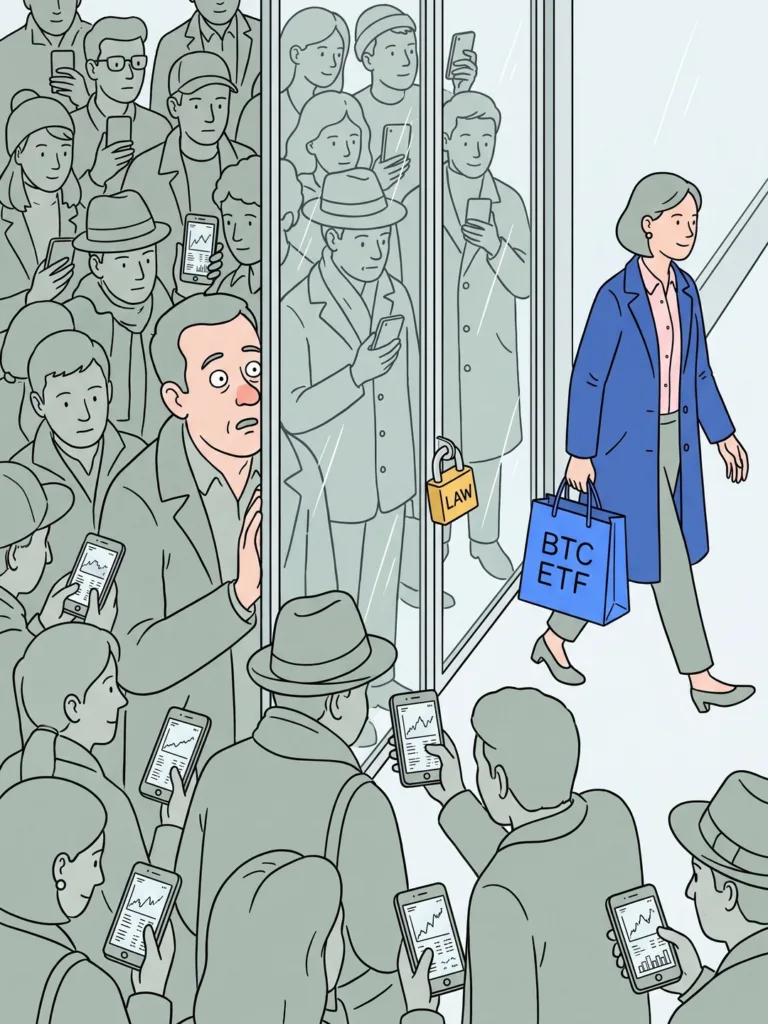
Starting Oct. 16, Thailand's new rules allowing Bitcoin and Ether ETFs (funds traded on a stock exchange, like shares) take effect. Thailand's Securities and Exchange Commission (SEC) finalized them on Oct. 8. Korea has 11.13 million active crypto exchange accounts and about KRW 5.4 trillion (about $4 billion) traded a day (second half of 2025), yet it still has no Bitcoin ETF of its own. (Dollar figures use the Oct. 8 closing rate of KRW 1,338.5 per dollar.)
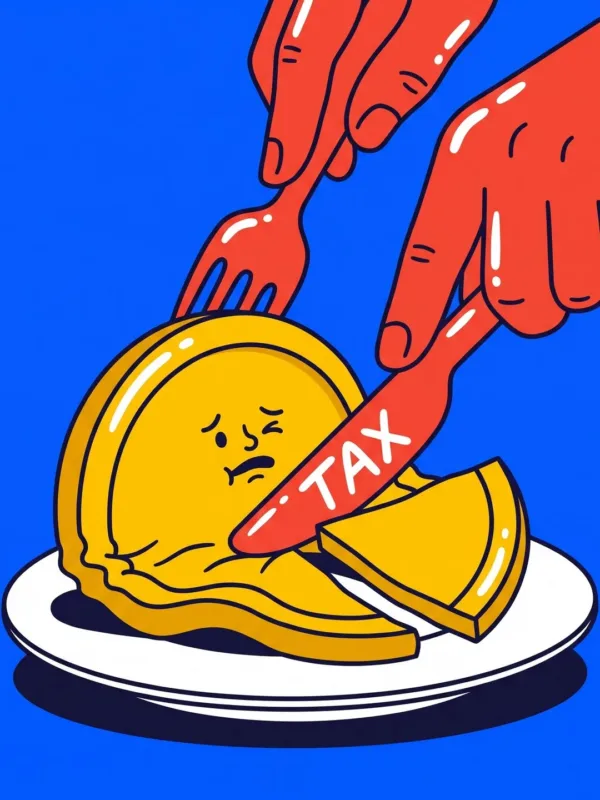
With that much crypto trading, you'd expect Korea to have launched an ETF first. But the real reason lies elsewhere. Korea's Capital Markets Act (the law that governs financial products like stocks and funds) leaves crypto off the list of assets an ETF can hold. Because that one line is missing, it's hard for fund firms to launch one even if they want to.
- What exactly is Thailand opening?
Thailand's rules come down to four points. At first, funds can hold only Bitcoin and Ether. They list only on the Stock Exchange of Thailand. The coins must be held by custodians licensed by the regulator. And over each accounting year, at least 80% of net asset value on average must track that coin's price.
There are conditions for investors too. Buyers must confirm they understand the risks before trading, and brokers are banned from lending money to buy these ETFs (margin loans). If products launch under the rules and you bought KRW 10 million (about $7,500) worth, at least KRW 8 million (about $6,000) on an accounting-year average would move with Bitcoin's price (example).
Still, Oct. 16 is only the day the rules start. The head of Binance's Thai business said issuers still need to register funds, win product approval, list and arrange custody. Actual products come after that.
- Why can't Korea launch one?
An ETF is a fund in which a fund firm buys and holds something and tracks its price. What it can hold is set by the Capital Markets Act. Today's list includes financial products like stocks and bonds, currencies, and general commodities such as farm, livestock and fishery products, minerals and energy. Crypto isn't on it.
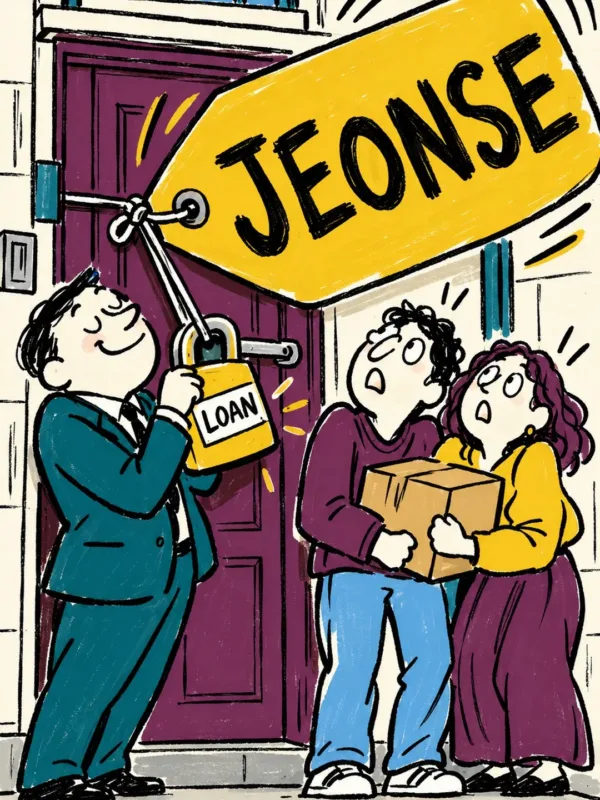
Think of a convenience store's supply list. If an item isn't on the list, it can't go on the shelf, no matter how many customers ask for it. But a store's head office can simply update its list, while this one only changes when parliament changes the law.
Korean regulators judged that the detour through overseas products was blocked too. Right after the U.S. approved spot Bitcoin ETFs (ETFs that buy and hold actual Bitcoin) in January 2024, they concluded that Korean brokers brokering overseas-listed spot Bitcoin ETFs could violate the Capital Markets Act. We could not confirm whether that view still stands today.
- How far has the fix gotten?
A bill already exists. The Capital Markets Act amendment filed on June 27, 2025, by Democratic Party lawmaker Min Byeong-deok would add crypto to the underlying assets of financial investment products (what products like ETFs track) and to the scope of trust property. As of a Sept. 8 report, it was still under review by the relevant standing committee of the National Assembly (the committee that examines bills in its field first).
On July 14, the government also said in its "2026 second-half economic growth strategy" that it would support passing the amendment. One financial industry official said, "We've already prepared ways to calculate an index and source the coins. Once Bitcoin is allowed as an underlying asset, launching will be quick."
Work remains even after the law changes. Kim Ji-won, an analyst at KB Securities, said, "A trust and custody system to keep crypto safe, along with standards for recognizing credible indexes that ETFs can track, also need to be put in place."
- Where does Korea stand in Asia's line?
In April 2024, Hong Kong became the first major Asian financial market to approve spot Bitcoin and Ether ETFs. Japan finished amending its law in July this year to bring crypto assets under its Financial Instruments and Exchange Act, and spot ETFs are expected there next year. Thailand has now finished its detailed rules.
The difference between them and Korea is order. Japan and Thailand sorted out their laws and rules first, and Hong Kong finished approvals back in 2024. Korea is still changing its law. Put simply, Korea is a shop with a long line of customers that still hasn't gotten its permit to open.
- Whose money moves if the law changes?
Right now, the main way to put money into Bitcoin in Korea is to open a crypto exchange account and deposit won. At the end of the second half of 2025, won deposits at Korean exchanges stood at KRW 8.1 trillion (about $6 billion), up 31% from the end of June.
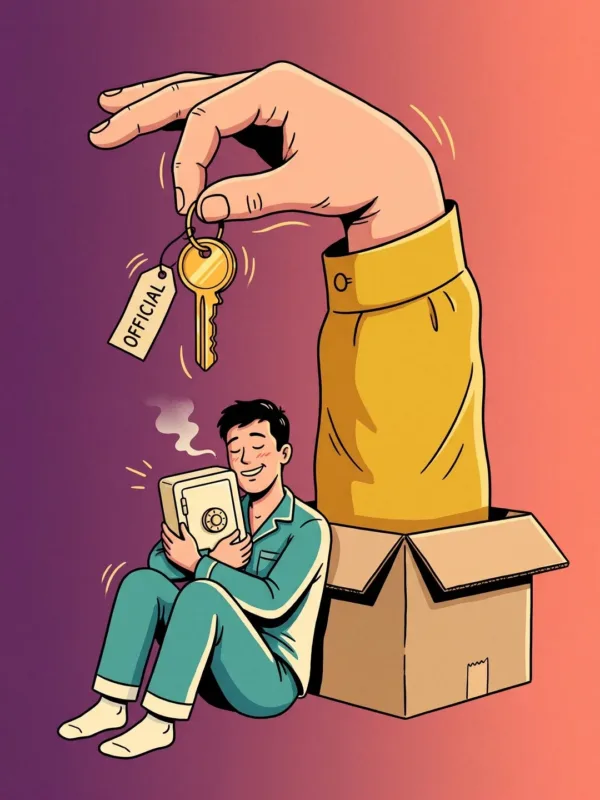
If Korean fund firms list spot Bitcoin ETFs, both individuals and institutions can invest in Bitcoin's price through the brokerage accounts they already have. No crypto exchange account needed. It's like building a bridge between money in stock accounts and money in crypto accounts.
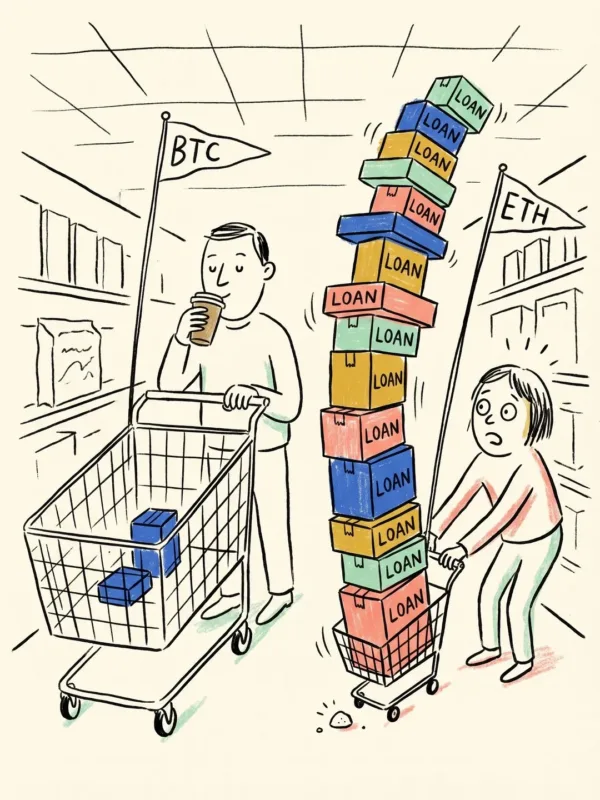
Think of it as grocery shopping. Today you have to go to a specialty shop that sells only Bitcoin; with an ETF, you could pick it up from the shelf at your usual supermarket. But what you'd buy there isn't Bitcoin itself. It's a share of a fund that tracks Bitcoin's price.
- BITPRESS Insight
Korea doesn't lack a Bitcoin ETF for lack of trading demand. It has 11.13 million active exchange accounts alone. What's blocking it is one line on the Capital Markets Act's list of assets.
So for anyone who wants to invest in Bitcoin through a brokerage account, the news that matters isn't a forecast that it's "coming soon." It's whether the amendment has cleared the committee and passed a full vote of the National Assembly. Even in Thailand, products go through filing, approval and listing only after the rules are finalized.
The test is simple. When you see Bitcoin ETF news, first sort out whether it's "proposed or under review" or "passed." However much news comes before it passes, none of it brings the day you can buy in your own brokerage account any closer.
Sources
https://www.theblock.co/news/regulation/2026-10-09-thailand-sec-issues-bitcoin-and-ether-etf-rules-set-to-take-effect-oct-16-418132
https://cointelegraph.com/news/thailand-finalizes-rules-paving-way-for-bitcoin-ether-etfs
https://www.etnews.com/20260714000493
https://www.hankyung.com/article/2026071450031
https://www.hankyung.com/article/202506274144B
https://v.daum.net/v/20260908060332201
https://www.newsway.co.kr/news/view?ud=2026071612081948381
https://news.mtn.co.kr/news-detail/2026032510044846574
Glossary
ETF — A fund traded on a stock exchange like a share, whose price follows the assets it holds.
Spot ETF — An ETF that buys and holds the actual asset (such as Bitcoin) instead of contracts like futures.
Underlying asset — What a financial product like an ETF tracks; in Korea, the Capital Markets Act decides what can qualify.
Custodian — A company that holds and safeguards the assets a fund buys.
Standing committee — A National Assembly committee that reviews bills in its field before they go to a full vote.
BITPRESS articles are information to help your investment decisions, not a recommendation to buy or sell any stock or coin. Investment decisions and their results are your own responsibility.