In the preliminary third-quarter results LG Energy Solution released on Oct. 8 (an early report published before the audit is finished), operating profit came to KRW 756 billion (about $565 million). That is about KRW 430 billion (about $321 million) more than the KRW 326.4 billion (about $244 million) analysts expected on average. Revenue also rose 59% from a year earlier to KRW 9.6434 trillion (about $7.2 billion).
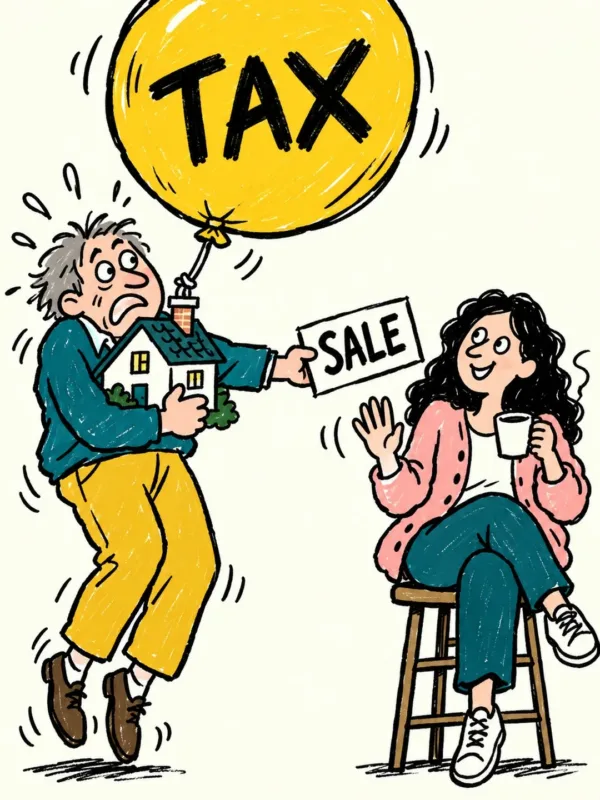
More than half of the profit is a tax break from the U.S. government, so it is easy to read this as 'the tax break beat the forecast.' But look only at the KRW 430 billion above the forecast and the story changes. The tax break accounts for only about KRW 38 billion (about $28 million) of it; the other roughly KRW 390 billion (about $293 million) came from somewhere else.
- Did the tax break deliver the KRW 430 billion beat?
Mostly not. LG Energy Solution (an LG Group company that makes batteries for electric cars and energy storage) also makes batteries at plants in the U.S. America has a program that cuts taxes for companies that make batteries in the country (AMPC, the Advanced Manufacturing Production Credit), and the company includes this money in its reported operating profit. So analysts' forecasts already included it.
In its September forecast, iM Securities expected a third-quarter tax credit of about KRW 379 billion (about $283 million). The actual figure was KRW 416.9 billion (about $311 million), a gap of about KRW 38 billion (about $28 million) (calculated). On that forecast, about KRW 390 billion (about $293 million) of the KRW 430 billion beat came from outside the tax credit (calculated).
It is like expecting a paycheck that already includes your usual allowance and then getting more than expected: the reason for the extra has to be something other than the allowance. Unlike a paycheck, though, a company's profit doesn't come with an itemized slip right away.
- What is the KRW 390 billion outside the tax credit?
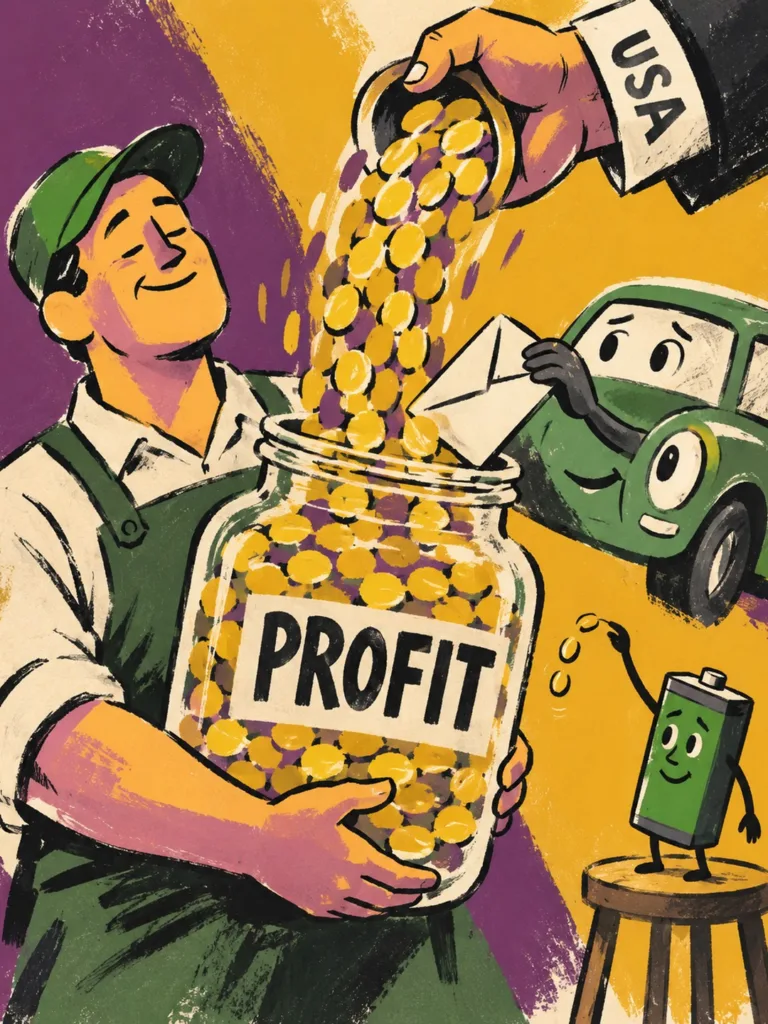
A large part of it may be compensation paid by customers. Volume compensation is money an electric-car maker pays when it doesn't buy as many batteries as it promised. In mid-September, NH Investment & Securities estimated that about KRW 300 billion (about $224 million) would be booked in the third quarter, and another estimate reported on Oct. 8 put it at KRW 100 billion (about $75 million) or more.
The rest can be seen as the gain from better sales. Revenue of KRW 9.6434 trillion (about $7.2 billion) is a quarterly record, up 59% from a year earlier and 27.6% from three months earlier. It is credited to European EV battery sales and the growth of its North American ESS business (large batteries that store electricity and release it later).
iM Securities said profit could rise further if compensation were booked, meaning its forecast left compensation out. Whether the analyst average included some of it is unknown, and the compensation amount can't be confirmed in reports on the preliminary results. Exactly how the two split will be known only when the company discloses the breakdown.
- KRW 416.9 billion of the KRW 756 billion (about $565 million) was the tax credit all along
Apart from the beat, the tax credit is a big share of the whole profit. Of the KRW 756 billion (about $565 million), KRW 416.9 billion is the tax credit. Think of a shop where KRW 550,000 of every KRW 1 million in profit is a tax break from the government (hypothetical calculation).
Without it, operating profit is KRW 339.1 billion (about $253 million). That is the first profit on this basis in four quarters, since the third quarter of last year. In the second quarter, the tax credit was KRW 241 billion out of KRW 113.3 billion in operating profit, so without it the company lost KRW 127.7 billion.
Put simply, until three months ago the company lost money once the government tax break was taken out; this time it still made a profit without it.
- How much did it actually earn from selling batteries?
Not all of the remaining KRW 339.1 billion is profit from sales. If the compensation estimates are right, subtracting KRW 100 billion leaves about KRW 240 billion, and subtracting KRW 300 billion leaves about KRW 40 billion (hypothetical calculation). That is about KRW 40 to 250 kept for every KRW 10,000 sold (hypothetical calculation).
It is like a household budget that puts money from selling used items and a penalty paid by someone who broke a deal on the same line. The penalty, though, only comes in again if someone breaks a deal again.
ESS revenue had already grown 4.6-fold year on year in the second quarter, making up more than 20% of company revenue. But how much the ESS business earned is not in the preliminary results. The stock closed at KRW 391,000 (about $292) on Oct. 7, the day before the results, up 6.98% from a month earlier.
- BITPRESS Insight
The people whose judgment this news changes are investors looking at battery stocks because of the figure 'profit more than double the forecast.' The KRW 430 billion beat likely came less from the tax credit than from customer compensation and better sales. Compensation only comes in when customers fail to keep their promises.
What has been confirmed is that the company turned a profit for the first time in four quarters even without the tax credit. What hasn't been confirmed is how much of that profit is compensation. If the estimates are right, the profit from sales is about KRW 40 billion to 240 billion (about $30 million to $179 million) (hypothetical calculation).
When you see news that earnings blew past forecasts, the test is whether anything is left after the money from the government and customers. Only when that remaining money grows has the company's ability to earn by selling batteries grown.
Sources
https://zdnet.co.kr/view/?no=20261008090134
https://www.etoday.co.kr/news/view/2633703
https://supple.kr/news/cmuyli1cl000mqfwo02cc1mxi
https://biz.sbs.co.kr/amp/article/20000321034
https://www.mt.co.kr/en/industry/2026/07/30/2026073010350938099
https://stockhub.kr/en/news/news_85e720a825a4
https://stockhub.kr/en/news/news_0a6f2d39858f
Glossary
Preliminary results — Quarterly results a company announces before its audit is finished; they can change slightly in the final results.
AMPC (Advanced Manufacturing Production Credit) — A tax credit under the U.S. Inflation Reduction Act for companies that make batteries in America; LG Energy Solution includes it in its reported operating profit.
Volume compensation — Money a customer pays a battery maker when it doesn't buy as many batteries as it promised.
ESS (energy storage system) — A large battery installation that stores electricity and releases it when needed.
Earnings surprise — When a company's results come in well above analysts' forecasts.
BITPRESS articles are information to help your investment decisions, not a recommendation to buy or sell any stock or coin. Investment decisions and their results are your own responsibility.