1. Dunamu’s results over the past three years compared
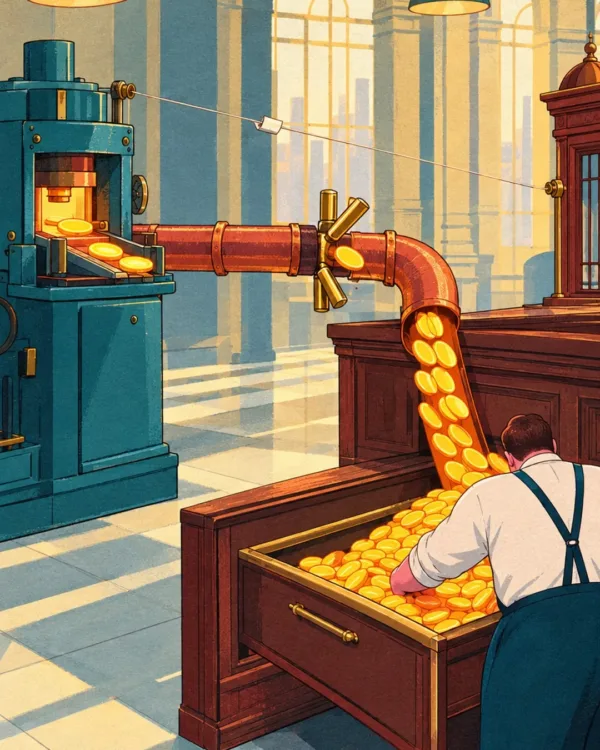
Combining recent filings on the Financial Supervisory Service’s electronic disclosure system with media reports dated March 31, 2026, Dunamu’s results from 2023 to 2025 are closely tied to the volatility of the crypto market. In 2023, Dunamu posted revenue of about KRW 1.0154 trillion and net income of about KRW 805 billion. In 2024, riding a crypto market boom, it grew sharply, reaching revenue of KRW 1.7316 trillion, operating profit of KRW 1.1863 trillion and net income of KRW 983.8 billion. But according to the 2025 full-year results disclosed at the March 31, 2026 shareholders’ meeting, revenue fell about 10% year over year to KRW 1.5578 trillion, and operating profit dropped 26.7% to KRW 869.3 billion. This clearly shows that because Dunamu’s main source of revenue is concentrated in crypto trading fees, its results swing widely with the macroeconomy and market conditions.
2. Merger structure and progress
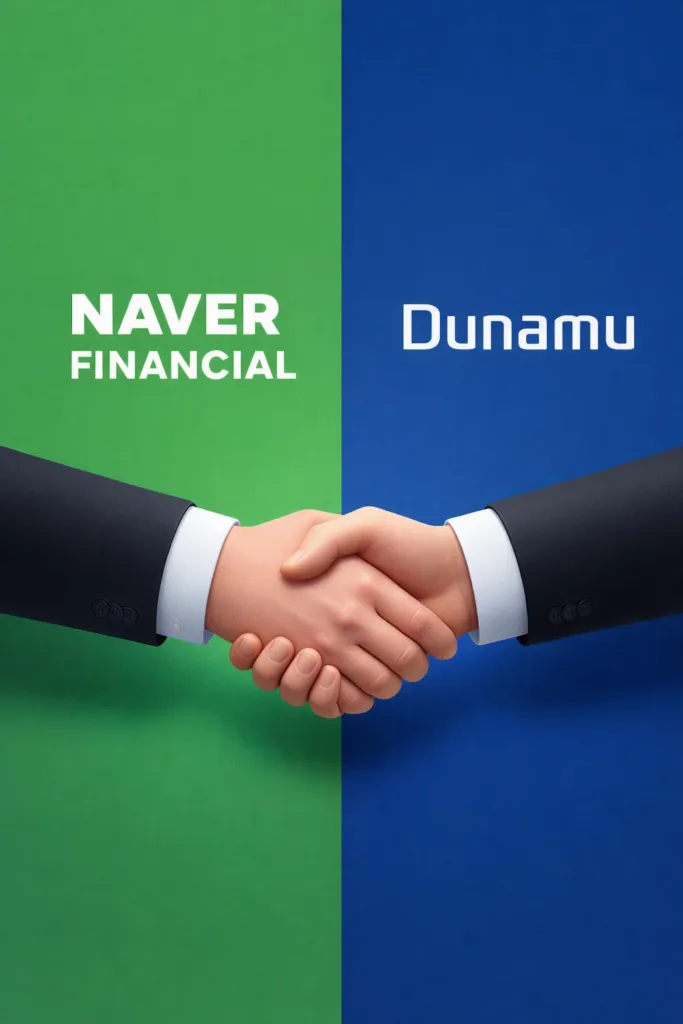
According to the March 31, 2026 shareholders’ meeting and disclosure documents, Dunamu and Naver Financial are merging through a comprehensive share swap. Under this method, Dunamu shareholders exchange their shares for new Naver Financial shares at a ratio of 2.5422618 Naver Financial shares for each Dunamu share. When the process is complete, Naver Financial will remain as the surviving entity and Dunamu will become its wholly owned (100%) subsidiary. Because of licensing procedures such as antitrust reviews by the Korea Fair Trade Commission and the Financial Services Commission, the share swap and merger date has been pushed back about three months, from the originally planned June 30 to Sept. 30, but both companies remain firmly committed to the merger as originally planned.
3. The likely listing entity and brand name
Naver Financial will be the surviving entity after the merger, but the company name used when it lists on the stock market is very likely to be Dunamu. That is because Dunamu, which runs Upbit, is the real business and the core growth engine, and there are four main reasons for this. First, Korean crypto investors are far more familiar with the Dunamu brand as the operator of Upbit, and it carries more weight. Second, Dunamu has already obtained licenses under its own brand in overseas markets such as Singapore, Thailand and Indonesia and is expanding globally. Third, among institutional investors, Dunamu is firmly seen as synonymous with Upbit, the No. 1 crypto exchange. Finally, although Naver Financial’s core business is the simple-payment service Naver Pay, the real driver of explosive earnings and growth after the merger is the Upbit market, so the Dunamu name works far better for market communication as well.
4. IPO timeline and market outlook
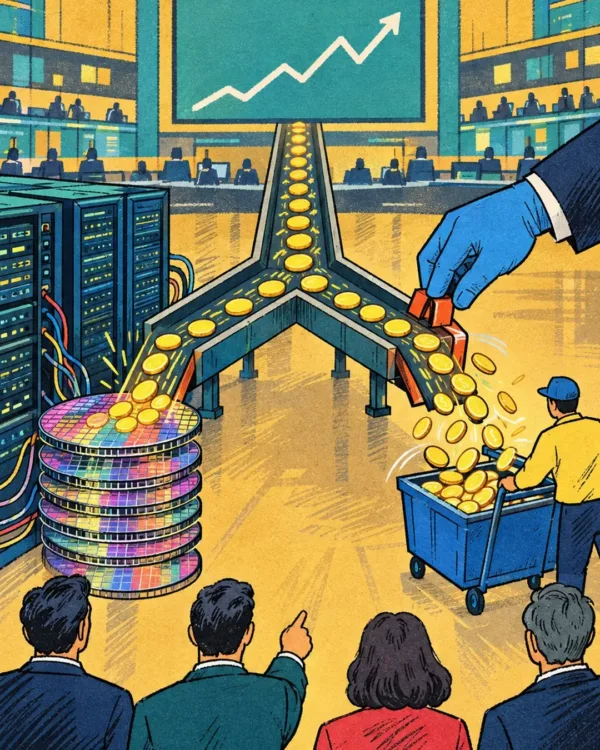
The listing timeline, the biggest point of interest after the Dunamu–Naver Financial merger, has been set under their business agreement for completion by November 2030. The two companies plan to begin full-scale IPO preparations as soon as the deal closes, and the market’s biggest question is whether, within that deadline, they will list on Korea’s KOSPI or go straight to the U.S. Nasdaq. Combining Korea’s No. 1 simple-payment provider with its No. 1 crypto exchange, the new entity is expected to become a fintech giant with a combined corporate value of KRW 20 trillion even by conservative estimates, and that value could grow further depending on which market it chooses to list on.
BITPRESS Insight
Readers should use this mega-merger to look behind the deal at how a company with a real cash cow swallows traditional fintech and takes control. On the surface, Naver Financial is making Dunamu a wholly owned subsidiary, but it is striking that Dunamu holds the upper hand in actual corporate value and in the name of the listing entity. It proves that the profitability and market dominance of crypto platforms now overshadow those of traditional financial platforms. For successful investing, keep close track of which stage, KOSPI or Nasdaq, the two companies choose before the November 2030 listing deadline, and what new platform services this huge financial alliance rolls out.