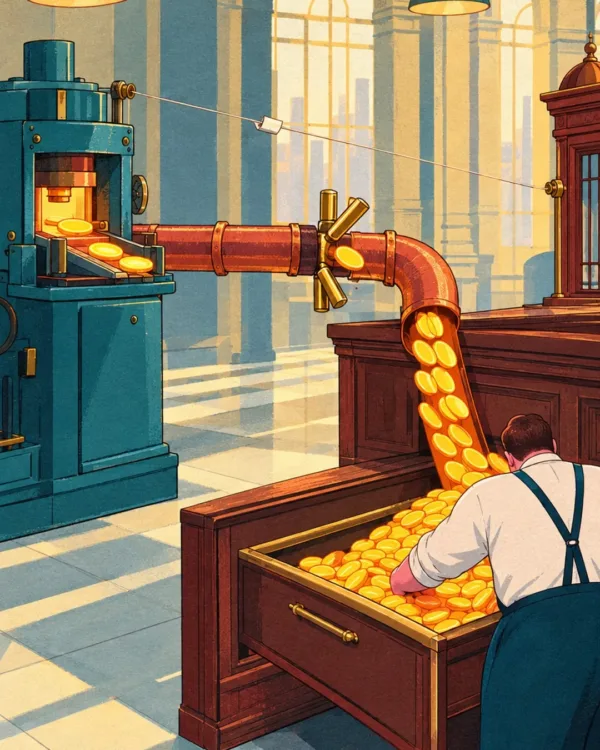

Solid-state batteries are next-generation batteries that use a solid electrolyte instead of a liquid one. They eliminate the fire risk of conventional lithium-ion batteries and raise energy density by more than 40%, which could dramatically extend EV driving range. The key is a solid pathway that lets lithium ions move freely, like a ‘sponge.’ This also speeds up charging and maximizes safety: even under extreme temperatures or impact, there is almost no risk of leaks or explosions.
Commercialization and price outlook
Solid-state batteries are currently at the pilot-production stage. With sulfide solid electrolyte raw materials costing as much as $12,000 per kg, cells run about KRW 700,000 per kWh, seven times the cost of conventional lithium-ion (KRW 120,000). But if raw material prices fall to $50 with mass production, costs are expected to drop to KRW 120,000. Manufacturing costs are also three to five times higher than for existing batteries, so a premium is likely in the early stage of commercialization, but economies of scale are expected to make them competitive by the mid-2030s.
When they will reach cars
Small products (such as robots) are expected to begin low-volume mass production in 2027–2028, with EV adoption ramping up in earnest after 2030. Given automakers’ two- to three-year validation periods, the batteries will likely be used first in home appliances and robots before expanding to cars. Hyundai Motor, for example, recently signaled a bid to be the world’s first by producing in volume on a pilot line.
How Korea’s three leading battery makers are preparing
- Samsung SDI: Building a pilot line with a 2027 mass-production target, partnering with BMW and Solid Power while targeting the robot market. Ranked No. 1 in the world for solid-state battery patents in the third quarter.
- LG Energy Solution: Roadmap for mass production before 2030, accelerating development of polymer-based solid-state batteries to get ahead in ESS and robotics.
- SK On: Completed a pilot plant at its Daejeon R&D center with a 2029 commercialization target, linked to robot supply for Hyundai Wia.
Global and Korean solid-state leaders
The global leaders are CATL (China, sulfide technology) and Samsung SDI (No. 1 in patents and pilot production), with Toyota and Geely chasing them. In Korea, it is a ‘three-way race’: Samsung SDI leads on technology and partnerships, with LG and SK close behind.
Share price vs. target price (based on brokerage reports)
Target prices reflecting solid-state expectations, compared with current share prices (estimated as of Feb. 3, 2026). (SK On is unlisted, so SK Innovation is used instead.)
BITPRESS Insight
The energy density of solid-state batteries (500Wh/kg or more) can reach 900Wh/L with lithium-metal anodes, which means twice the driving range of current batteries (1,000km+). If Korea’s three makers grab the robot market first, diversifying revenue during the EV slowdown could become a catalyst for breaking above a P/B ratio of 1x. Track whether lithium sulfide prices fall below $50 to time an early entry.
The solid-state battery theme is no longer just hype; it has now entered ‘the realm of manufacturing.’ Investors should focus less on today’s share price moves and more on “who can actually ship a product in 2027.” For now, Samsung SDI is closest to that answer. Keep in mind, though, that solid-state batteries will not replace every EV the moment they arrive; they will gradually penetrate from the top 1% premium market. So rather than going ‘all in’ on solid-state technology alone, it is wiser to pick companies that generate solid cash from their existing battery businesses while preparing next-generation technology. In short, 2026 is likely to be the year the solid-state field ‘separates the wheat from the chaff,’ and Samsung SDI, with its technological moat, is likely to be the most comfortable investment for the next three years.