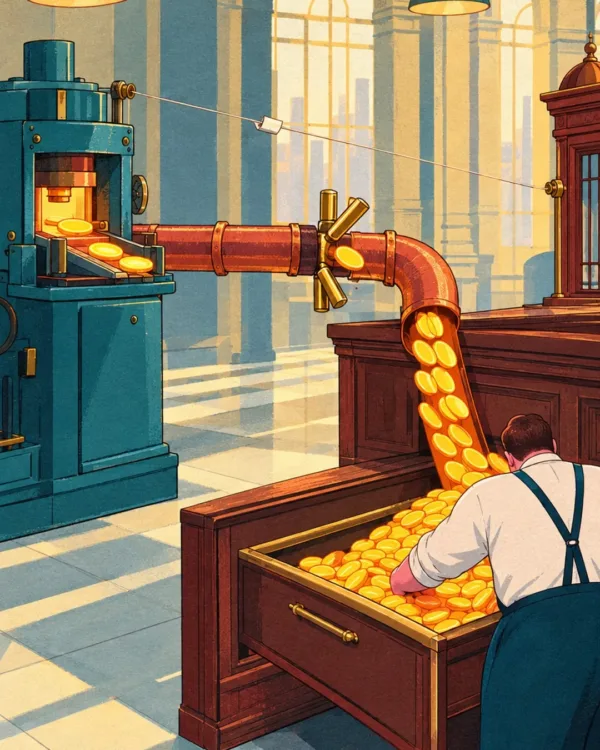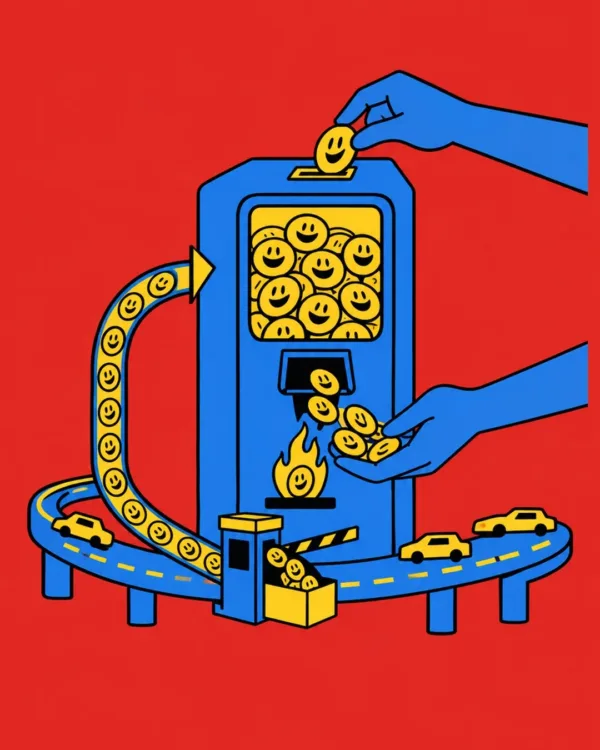

Ethereum (ETH) founder Vitalik Buterin has recently been ‘cleaning up his wallet’ by selling small altcoin holdings stored in it. The trades are seen as a process of clearing out tokens that were sent to him regardless of his wishes.
Ongoing on-chain selling spotted On the 20th, blockchain analytics platform Lookonchain said Vitalik Buterin sold 10,000 Kyber Network (KNC) tokens worth about $2,190. This continues a series of sales over the past few days. Over the past five days he disposed of a total of 69,500 KNC, raising about $15,330.
Besides KNC, the sell list included many low-liquidity tokens. Over about 16 hours, Buterin converted 30.5 million STRAYDOG tokens into 15,916 USDC and swapped 1.05 billion MUZZ tokens for 1.89 ETH, worth about $5,640. On-chain data show he obtained a total of 32,560 USDC and 1.89 ETH from these sales.
Clearing out ‘unwanted gifts’ … minimal market impact What the sold tokens have in common is that Buterin did not buy them himself; they were ‘unsolicited tokens’ that projects sent him unilaterally for marketing or donation purposes. Buterin has in the past periodically sold miscellaneous tokens sent to his wallet or donated them to charities.
Experts expect the sales to have an extremely limited impact on the overall crypto market. According to Arkham Intelligence, Buterin's total assets amount to about $1.04 billion (mostly ETH), and the $38,000 sold is less than 0.004% of his entire portfolio. However, low-liquidity tokens such as KNC and STRAYDOG may see temporary price volatility.
Transparent asset management and donations Buterin goes beyond simply cashing out assets and keeps linking them to charitable causes. In 2024 he also donated assets worth hundreds of thousands of dollars to animal welfare and biotech research foundations (Kanro), among others. The prevailing view in the industry is that proceeds from these sales are also likely to be used for future donations or ecosystem funding.
💡 Insight for BITPRESS readers
This event can be read from three angles beyond simple selling news.
- Proof of on-chain transparency: The wallets of whales and founders are watched 24 hours a day. That even Buterin's small moves are instantly turned into data and shared with the market is a symbolic example of the blockchain ecosystem's transparency.
- The limits of ‘unsolicited token’ marketing: It suggests that projects' strategy of airdropping tokens to celebrities' wallets for promotion can instead act as ‘potential selling pressure.’ Influential figures like Buterin periodically dispose of them to keep their wallets clean and manageable.
- Rigor in personal asset management: Despite holding assets worth more than KRW 1 trillion, Buterin meticulously clears out and swaps even small holdings of a few thousand dollars, which offers important lessons for asset-management efficiency and on-chain security.