Seoul apartment jeonse prices (the price of Korea's lump-sum-deposit lease) rose 8.18% this year through the fourth week of September. That almost matches the rise in sale prices over the same period (8.19%). Last year, the cumulative rise through the third week of September was 1.75%.
The common explanation is the autumn moving season plus fewer new apartments opening. That's not wrong. But the key lies elsewhere. A rule imposed across Seoul a year ago to hold down home prices, "if you buy it, you must live in it," narrowed one of the paths by which homes for tenants reach the market.
- What did the land-deal permit rule block?
On Oct. 15, 2025, the government announced a housing package (the Oct. 15 measures) and, from Oct. 20, placed all 25 districts of Seoul and 12 areas of Gyeonggi Province under land-transaction permit zones. Buying an apartment there requires a permit from the district office before signing, and the buyer must live in it for two years. That means you can't lease it out right after buying.
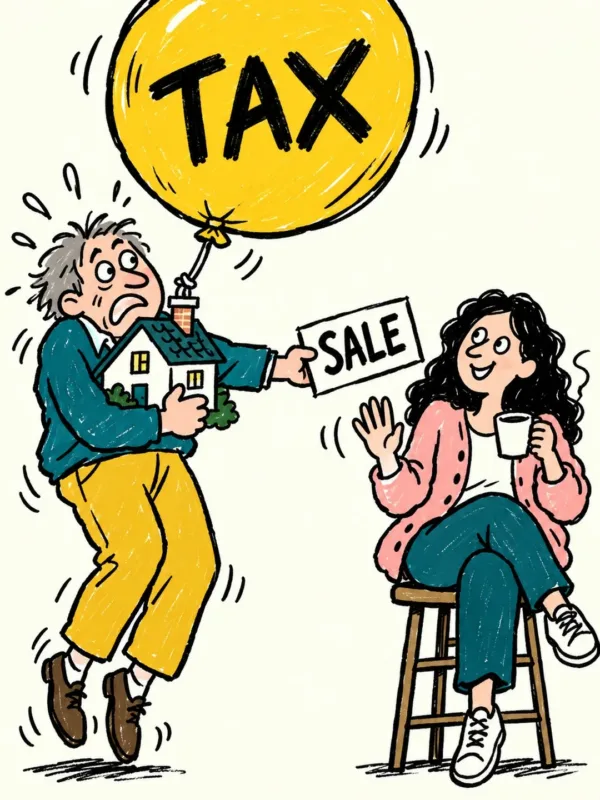
What this blocked is "gap investing" (buying a home with a jeonse tenant already in it). If a 1 billion won ($743,000) home had a tenant with a 600 million won ($446,000) deposit, you could buy it by paying only 400 million won ($297,000) (hypothetical). For investors, it was a way to buy a home with little money; for tenants, it was a home they could lease.
- Why does that rule shrink the supply of leases?
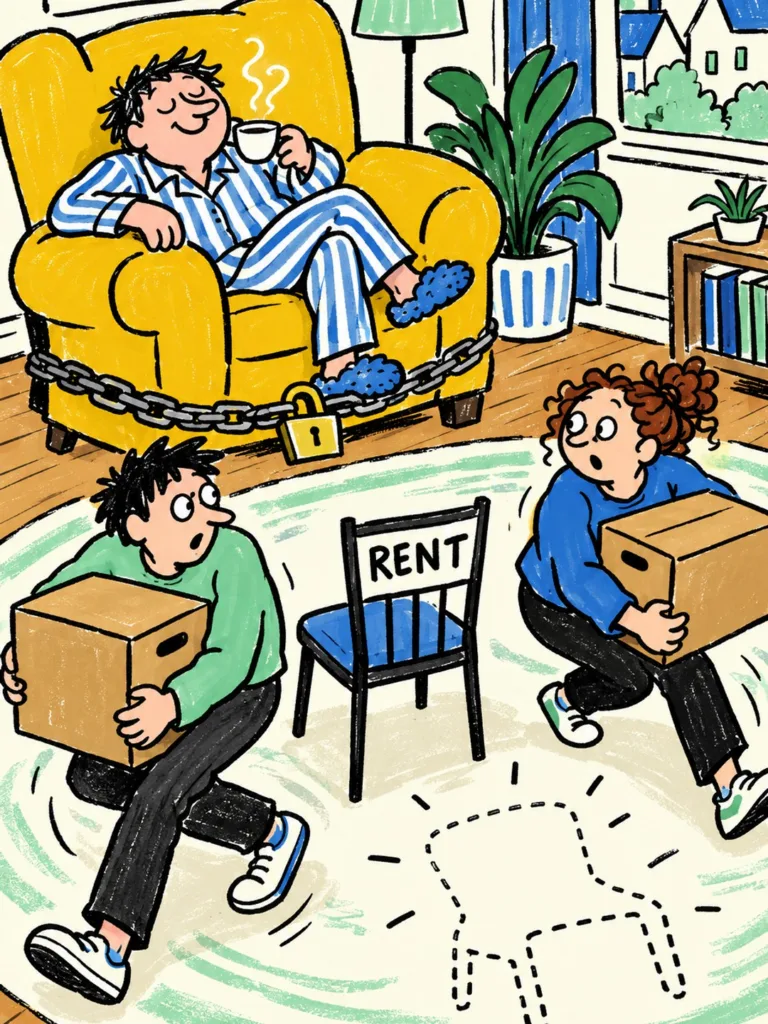
Now, when a home sells, the rule is that the new owner moves in. Under the rule set when the measures took effect, a home with a tenant got a permit only if the tenant agreed to move out within four months. A home that had been leased out usually becomes an owner-occupied home once it sells.
Think of a new rule that anyone buying a used car must drive it themselves for two years. Every time a rental-company car is sold, there are fewer cars to rent. The difference: factories can build more cars quickly, but apartments take years to build.
The government widened a waiver that delays the live-in requirement so homes with tenants can still be sold, but of 3,012 Seoul apartment permit requests in August, only 135 (4.5%) asked for the waiver.
- How much has the lease supply shrunk?
According to real estate data firm Asil, Seoul apartment jeonse listings fell about 15.7%, from 24,369 on Oct. 15, 2025, the day the measures were announced, to 20,542 on Sept. 23 this year. As of Sept. 28, there were 19,569, 18.8% fewer than on the same day a year earlier (24,099). In Dongdaemun District, listings fell 70%, from 1,061 last September to 319.
Tenants aren't moving either. Seoul apartment jeonse deals in August totaled 7,263, down 32.2% from a year earlier. Of those, the share of renewals of existing leases was 58.9%, up 15.2 percentage points from 43.7% a year earlier.
Put simply, fewer new leases are coming out and current tenants are staying put, so people who want to move have almost nothing to choose from.
- Isn't it just fewer new apartments?
Fewer new apartments is clearly a cause too. Seoul apartments completed from January to July this year totaled 17,603 units, 48.7% fewer than in the same period last year (34,339). Seoul multi-unit housing scheduled to open over the two years from July this year to June 2028 is 49,668 units, 44.3% less than the forecast for the previous two years (89,188).
But the two causes work differently. Fewer openings means fewer new leases get created; the permit rule means leases that already existed leave the market. "Fewer new apartments opening in Seoul, combined with the live-in requirement under the land-transaction permit system, is shrinking the jeonse supply on the rental market," said Shim Hyung-seok, a senior adviser at law firm Joyul.
- How much have lease prices risen, and what is different this time?
According to the Korea Real Estate Board, the average Seoul apartment jeonse price in August was 636.62 million won ($473,000), up 82.68 million won ($61,000), or 14.9%, from two years earlier. The jeonse supply-demand index, which shows how many people are looking for a lease relative to homes on offer (above 100 means more seekers), stood at 127.5 in July, the highest in about five years, since the lease crunch of the second half of 2020 through the first half of 2021.
That crunch came right after the right to demand a lease renewal, which lets a tenant ask to stay two more years, took effect on July 31, 2020. The difference this time is that it isn't a rule protecting tenants but a live-in rule on buyers, now in its second year. When first announced, Seoul's permit zones were set to last until the end of this year.
- BITPRESS Insight
The people whose decisions change most because of this chain are tenants whose leases are about to end. The right to demand a renewal can be used once, and using it caps the deposit increase at 5%. But a new lease with a new home has no such cap. On a 600 million won ($446,000) lease, renewing costs at most 30 million won ($22,300) more, while a new home whose price has risen 8% costs 48 million won ($35,700) more (hypothetical).
So news about rules on buying homes isn't just news for buyers. The narrower the door to buying, the fewer homes are bought to be leased out, and the first thing to disappear is the lease that someone who has to move would have picked.
The tougher the rules on buying, the bigger the cost gap between staying put and moving. Whether you still have your renewal right is the starting point for sizing up that gap.
Sources
https://www.newsis.com/view/NISX20261002_0003812835
https://www.etoday.co.kr/news/view/2629898
https://www.dailian.co.kr/news/view/1694370/
https://biz.sbs.co.kr/amp/article/20000266053
https://www.khan.co.kr/article/202510191436001/
https://www.ytn.co.kr/_ln/0102_202008031158052533
https://toss.im/tossfeed/article/housing-lease-protection-act
Glossary
Land transaction permit zone — An area where buying a home requires a district-office permit, and the buyer must live in it for two years.
Gap investing — Buying a home with a tenant's jeonse deposit already in it, paying only the difference between the price and the deposit.
Right to demand a lease renewal — A tenant's one-time right to stay two more years, with the deposit increase capped at 5%.
Renewal contract — Extending the lease on the home you already live in instead of moving.
Jeonse supply-demand index — An index comparing people looking for a jeonse lease with homes on offer; above 100 means more seekers.
BITPRESS articles are information to help your investment decisions, not a recommendation to buy or sell any stock or coin. Investment decisions and their results are your own responsibility.