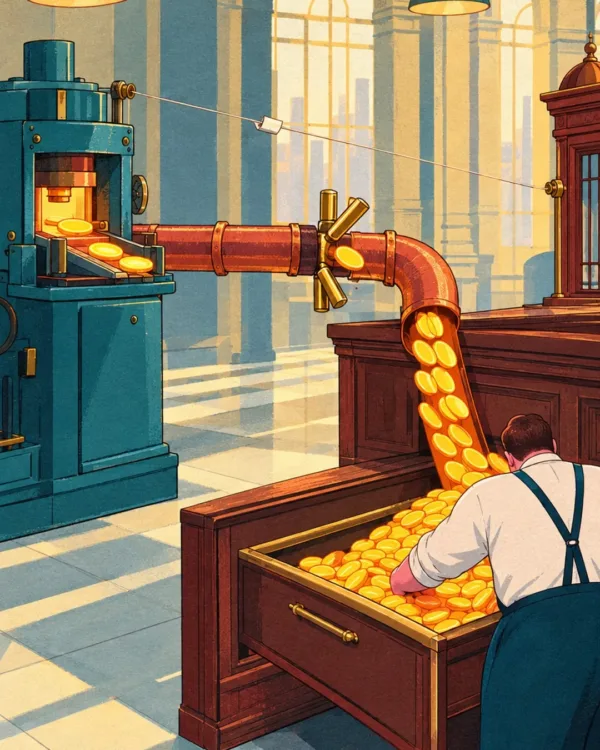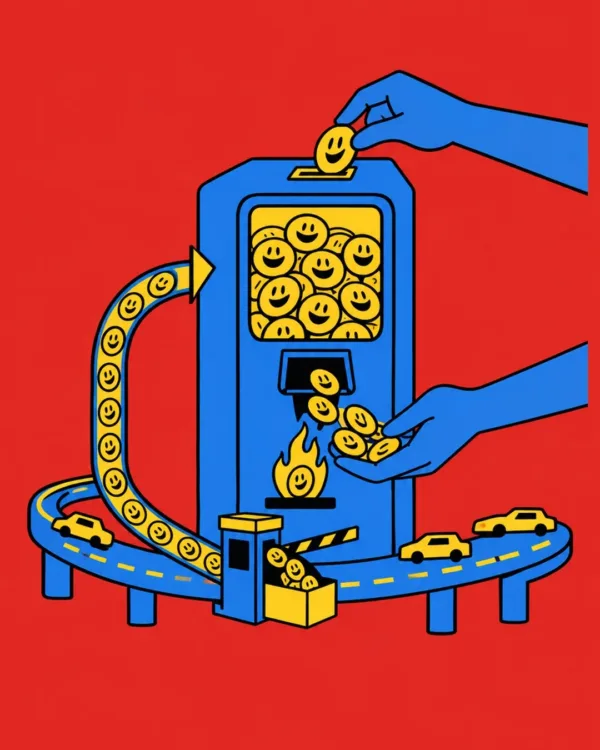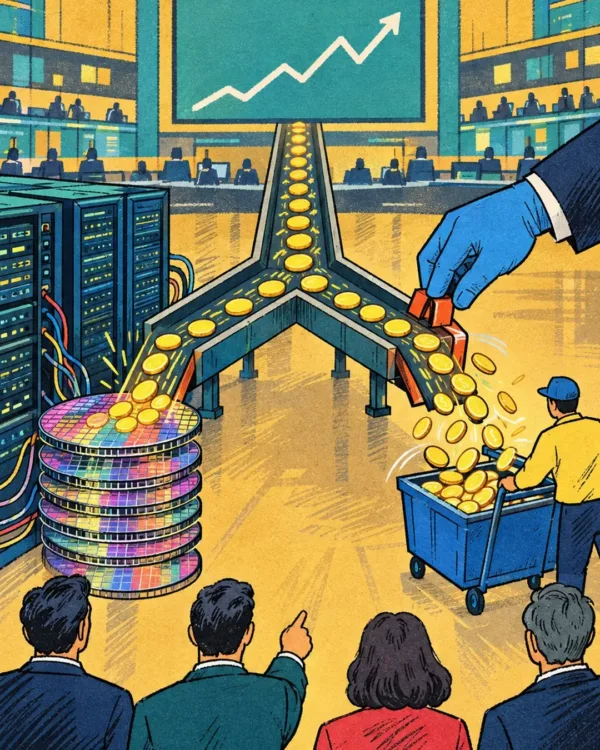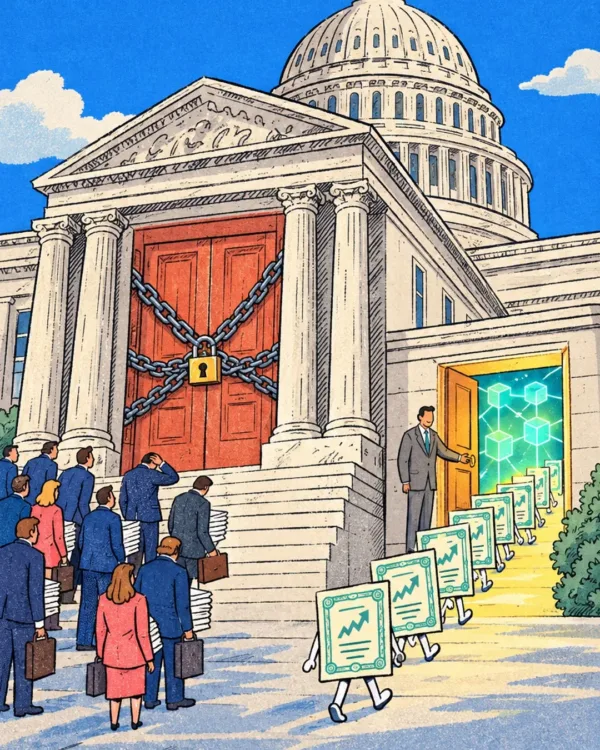
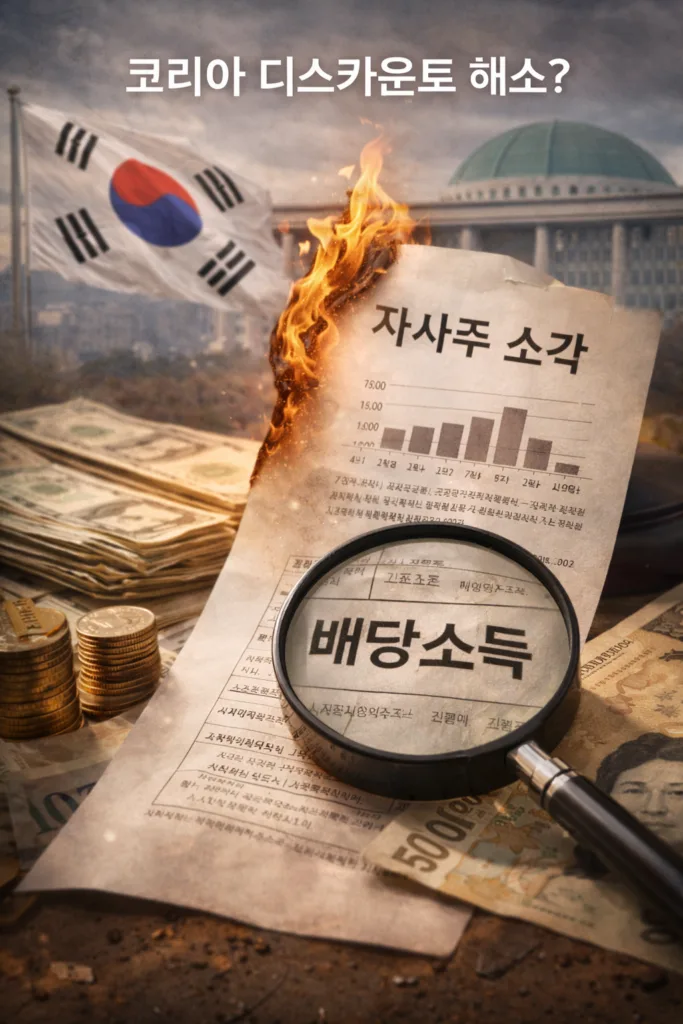
Look at the Korean stock market these days and unfamiliar terms pop up at the same time: treasury share cancellation, Commercial Act amendments, separate taxation of dividend income. Each looks complicated on its own, but all three connect to one question: "Who does the money a company earns ultimately belong to?" The Korean market answered this question vaguely for a long time, and the result was the "Korea discount."
1. Why did companies buy back their own shares?
Treasury shares are a company's own shares that it buys back from the market. There are three main ways to return money to shareholders: pay dividends, buy back shares, or buy back shares and then cancel them.
Share buybacks were originally introduced as "a way to benefit shareholders indirectly." When a company buys back its shares, fewer shares circulate in the market, earnings per share (EPS) rise, and in theory the stock price benefits. Up to this point, the logic is sound.
2. So why is "just holding on to them" a problem?
The problem came from the habits of Korean companies.
Overseas, buybacks often lead to cancellation after a certain period, but in Korea it was very common for companies to buy back shares and simply hold on to them.
The reason is clear. Treasury shares carry no voting rights and receive no dividends, but they can be sold back into the market when needed or handed to a particular party as a tool to defend management control.
For the company, they become a card it can pull out at any time. Shareholders see it differently.
"It looks like the share count went down, but they could be released again at any time?"
"Then how much should I trust the per-share value?"
So instead of lifting the stock price, treasury shares end up attaching an uncertainty discount to it. That is why the market has started asking: "If you bought them for shareholders, why are you holding them instead of burning them?"
3. Why has treasury share cancellation become important?
Cancelling treasury shares is a declaration that "these shares are gone for good." Once cancelled, the number of issued shares falls permanently, the denominator in per-share value changes, and management loses room to shake up the capital structure at will.
That is why treasury share cancellation is seen not as a short-term stock-boosting event but as a signal that the company will take responsibility for its capital policy.
4. Case study: Why did Com2uS "burn" its treasury shares?
The easiest recent example for understanding this structure is Com2uS. Com2uS recently decided to cancel roughly 5% of its shares held in treasury (based on its disclosure). What matters here is not "how much it bought" but why it went as far as cancelling them.
The decision carries three meanings. First, it is a clear statement that the company will not reuse the treasury shares. The market took it as a shareholder-return card rather than a management-control card.
Second, it improves the valuation structure regardless of earnings. Even in the game industry, where earnings swing widely, cancelling treasury shares structurally raises per-share value (EPS), which feeds directly into mid- to long-term valuation.
Third, it removes capital policy risk. The more treasury shares a company holds, the more it faces overhang concerns about "shares that will be released someday," but cancellation eliminates that possibility at the source. That is why Com2uS's decision is read not as a short-term event but as a signal that its capital policy has been cleaned up a notch.
5. Why does separate taxation of dividend income come up here too?
A keyword that always appears alongside treasury share cancellation is separate taxation of dividend income. In Korea today, once dividend income passes a certain amount, it is combined with other financial income and taxed comprehensively. The more dividends you receive, the faster your tax burden grows, and as a result the view hardened that dividends from Korean stocks are a bad deal, especially for long-term investors.
A common misconception comes up here: "Doesn't raising dividends just benefit major shareholders in the end?" Structurally, however, dividends cannot be paid only to certain shareholders. If a major shareholder receives dividends, minority shareholders holding the same shares receive them equally in proportion to the shares they own.
In other words, a structure that blocked dividends for major shareholders also blocked dividends for minority shareholders. That is also why companies were reluctant to raise dividends. When major shareholders received dividends, comprehensive taxation sent their tax burden soaring, and there was little incentive to raise dividends while bearing that burden.
Separate taxation of dividend income goes straight at this point. Taxing dividend income separately from other income makes the tax burden on dividends predictable for major shareholders too, turning higher dividends into a realistic option. And that choice flows equally to all shareholders in proportion to their shares.
Cancelling treasury shares returns value by reducing the share count, and separate taxation of dividend income creates an environment where raising cash dividends causes no distortion. They are not competing policies but two tools for normalizing returns to all shareholders.
6. Will all this help Korean stocks rise?
An important premise first: these rules will not lift every stock. What is clear, however, is that they point toward removing the reasons Korean stocks have been valued cheaply.
The biggest reason foreign investors discounted the Korean market was this: "There are profits, but I can't tell when or how those profits will come back to shareholders." Treasury shares piled up, dividends held down because of taxes, and capital policy that always seemed centered on management: this structure was the core of the Korea discount.
BITPRESS Insight
Treasury share cancellation, separate taxation of dividend income and the Commercial Act amendment debate are not separate issues. They all converge on one question: "How will the company handle the money it earns?"
As the Com2uS case shows, the market no longer looks only at earnings. It has started looking at a company's attitude toward capital policy. Going forward, the key yardstick in the Korean stock market is likely to be less the earnings growth rate and more "how does this company answer to its shareholders?"
Resolving the Korea discount will not be a one-off jump in the index but a process in which, one by one, more companies answer this question.