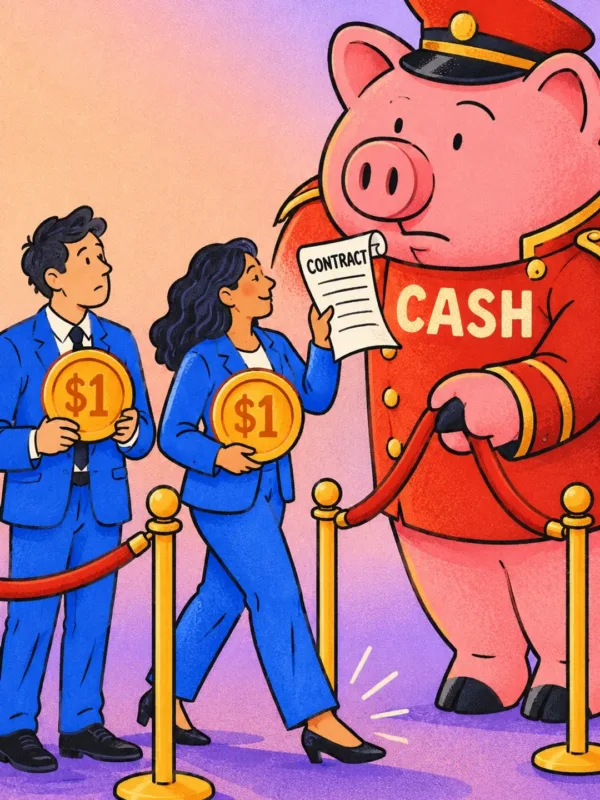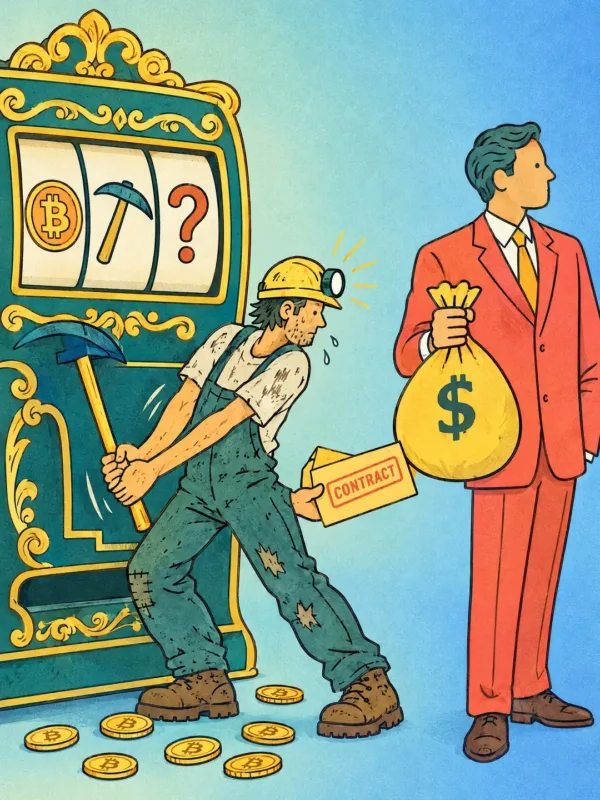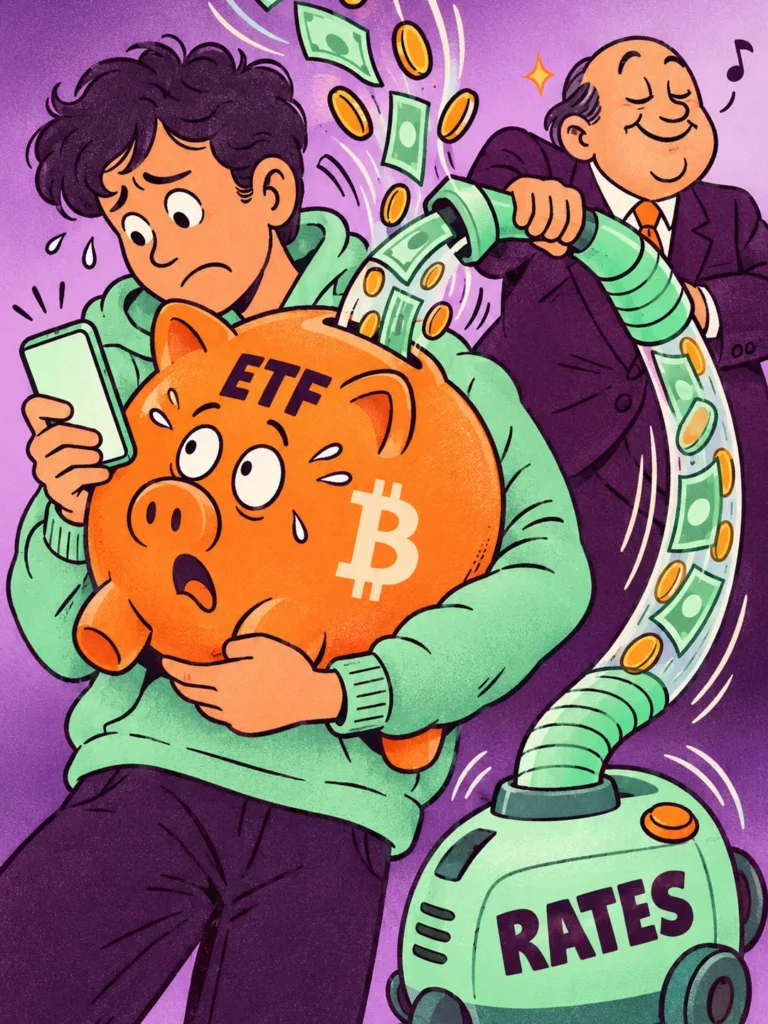
Over the week of Oct. 5-9, U.S.-listed spot bitcoin ETFs (exchange-traded funds that buy and hold actual bitcoin) saw net outflows of $681 million, or about KRW 910 billion at the Oct. 12 exchange rate. It was the largest since June. On Oct. 12, bitcoin slipped below $83,000 during U.S. trading.
The common view is that bad news in the crypto industry drove the money out.
But the real story is elsewhere. That same week, the 30-year U.S. Treasury yield rose as high as 5.70%, its highest since 2002, and on that day stocks, gold and bitcoin sold off together. A higher Treasury yield means anyone buying new Treasuries now earns more interest. The selling looks less like a crypto-only problem and more like a trade driven by the wider economy, including rates and oil.
- How much left the ETFs in one week?
The outflows were concentrated on Wednesday and Thursday. On Wednesday, Oct. 7, alone, $484.9 million left, the worst day since June, and another $244.1 million followed the next day.
Bitcoin's price fell too. After peaking at $86,978 early last week, it dropped to $81,749 on Oct. 8, a decline of about 6%. If you held $10,000 of bitcoin, that is roughly $600 lost from peak to low (illustrative math).
Put simply, most of the week's outflows were packed into two days, Wednesday and Thursday, and bitcoin's price fell over the same stretch.
- Why last week?
Last week, ship attacks around the Strait of Hormuz (the sea lane that carries Middle East oil) piled up, and Brent crude (a global oil benchmark) topped $101 a barrel. Oil is a cost in shipping, manufacturing, farming and travel, so when it stays high, it spreads into consumer prices. It is like gas prices going up and delivery fees and restaurant bills following.
When prices rise, the U.S. central bank (the Fed) finds it harder to cut rates and becomes more likely to raise them. The Fed's latest minutes point the same way. When inflation rises, bond investors demand higher interest. Last week, the 30-year Treasury yield climbed as high as 5.70%.
The dollar stayed strong as well. On Oct. 12, the dollar index (the dollar's value against major currencies) held above 102.4. With the dollar and Treasury yields both holding firm, markets started the week cautiously.
- Why does crypto weaken when rates rise?
U.S. Treasuries are the benchmark for a "risk-free" return. If a 30-year Treasury pays 5.70% a year, money is pulled away from riskier bets toward it. Bitcoin pays no interest at all and trades alongside stocks as a risk asset.
Try it with $100,000. A Treasury paying 5.70% a year earns $5,700 in interest (illustrative math, before taxes and currency moves). Hold the same money in bitcoin, and unless its price rises by that much, you give up that $5,700. Think of it like more people moving money from stocks into savings when deposit rates rise. The difference: stocks at least pay dividends, while bitcoin pays nothing.
Put simply, the higher rates go, the more interest you give up by holding bitcoin.
- What kind of money came in through ETFs?
Spot ETFs let people buy and sell bitcoin like a stock in a brokerage account, and it now trades alongside stocks as a risk asset. That makes it easy to trim first, like stocks, when rates rise. This is why the day stocks, gold and bitcoin all fell together last week is read as a trade driven by the wider economy rather than a crypto problem.
Vikram Subburaj, CEO of India-based crypto exchange Giottus, said the heavy outflows on Oct. 7 and 8 were "a sign that institutional investors have turned cautious." The Crypto Fear and Greed Index (a 0-100 gauge of investor mood, where closer to 100 means greed) also fell from 82 on Aug. 26, its high for the year, to 68 a month ago and 56 (neutral) on Oct. 12.
It is a bit like taking items back out of your shopping cart when a sale starts in the next aisle. That said, there is no evidence the money has left bitcoin for good. On Friday, Oct. 9, $21.1 million came back in.
- What will move crypto prices next?
The next big test is the U.S. inflation report due Oct. 14. Markets expect inflation of 3.7%, which would mean prices are rising faster again than the month before. Two crypto analysts named $82,000 as the key level to hold.
In August, bitcoin rose 24.9%, and some in the industry declared the bear market over. The difference this time is that the drop came in a week when U.S. Treasury yields hit their highest since 2002. As of Oct. 12, bitcoin is about 34% below its all-time high of more than $126,000, set on Oct. 6, 2025.
- BITPRESS Insight
Reading this KRW 910 billion outflow as just bad crypto news misses something. Thanks to ETFs, bitcoin is bought and sold in the same accounts as stocks, as the same kind of risk asset. In a week when U.S. Treasuries pay 5.70% a year, bitcoin, which pays no interest, is often the first holding to be trimmed.
So for bitcoin holders, U.S. interest rates are no longer someone else's news. Even with nothing special happening in crypto, your coins can drop first in a week when rates climb. On $10,000 of bitcoin, that could mean losing $600 in a few days, as happened last week.
On a day crypto prices fall, check first, before the crypto news, whether U.S. Treasury yields rose and the dollar was strong that week. If both are true, the drop is more likely money following rates than a crypto problem.
Sources
https://www.coindesk.com/markets/2026/10/12/bitcoin-shrugs-off-etf-outflows-to-trade-above-usd84-000-as-oil-falls
https://decrypt.co/380708/bitcoin-spooked-crypto-fear-greed-drops
https://www.coindesk.com/markets/2026/10/12/bitcoin-holds-usd83-000-as-dollar-strength-keeps-markets-on-edge
https://www.newspim.com/news/view/20261012001236
Glossary
Spot Bitcoin ETF — A fund that buys and holds actual bitcoin and lets people trade shares of it on a stock exchange like a stock.
Net outflow — Money that left a fund minus new money that came in; a positive figure means money left.
Government bond yields — The interest rate a government pays to borrow, meaning the interest a new buyer of its bonds can earn.
Dollar index — An index that shows the U.S. dollar's value against major currencies as one number; when it rises, the dollar has strengthened.
Fear and Greed Index — A gauge that scores crypto investors' mood from 0 (extreme fear) to 100 (extreme greed).
BITPRESS articles are information to help your investment decisions, not a recommendation to buy or sell any stock or coin. Investment decisions and their results are your own responsibility.