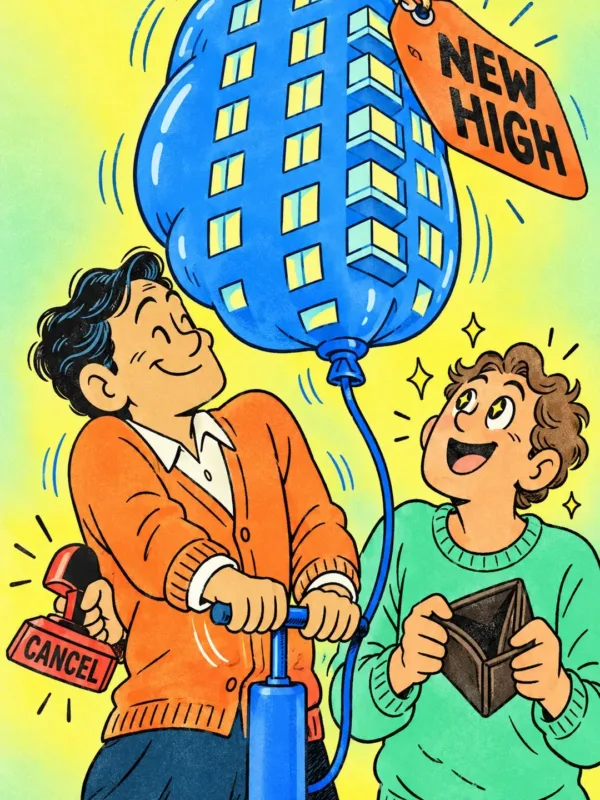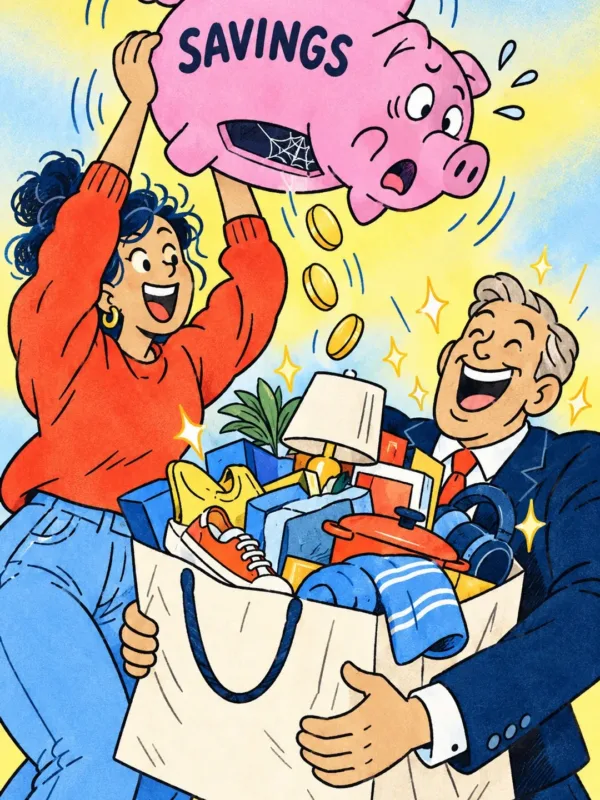
The allowance for settling last year's greenhouse gas emissions (KAU25) closed at KRW 29,450 per ton (about $21.93) when trading ended in August. That is 234.7% above the KRW 8,800 (about $6.55) of a year earlier. The allowance for this year (KAU26) also hit KRW 30,450 on Oct. 8.
The common take is that environmental rules got tougher. That sounds like a story for green groups and the government, with nothing to do with my stocks.
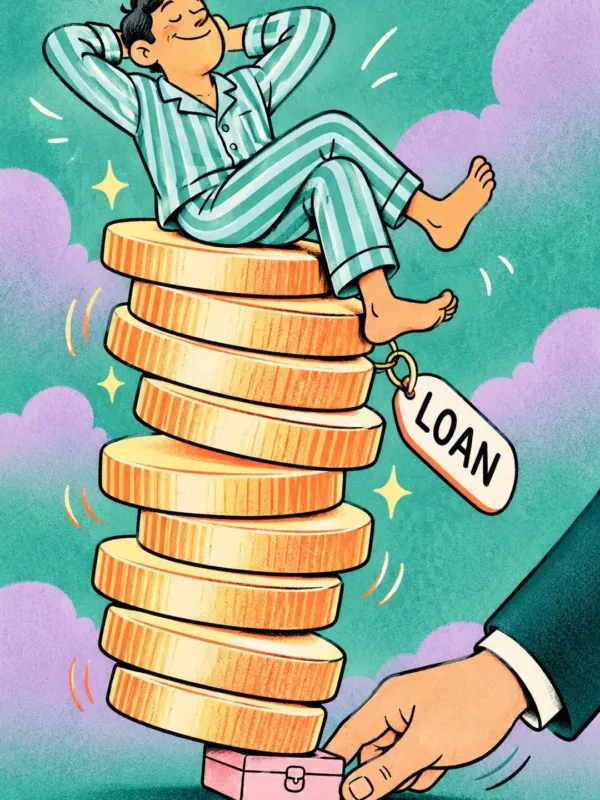
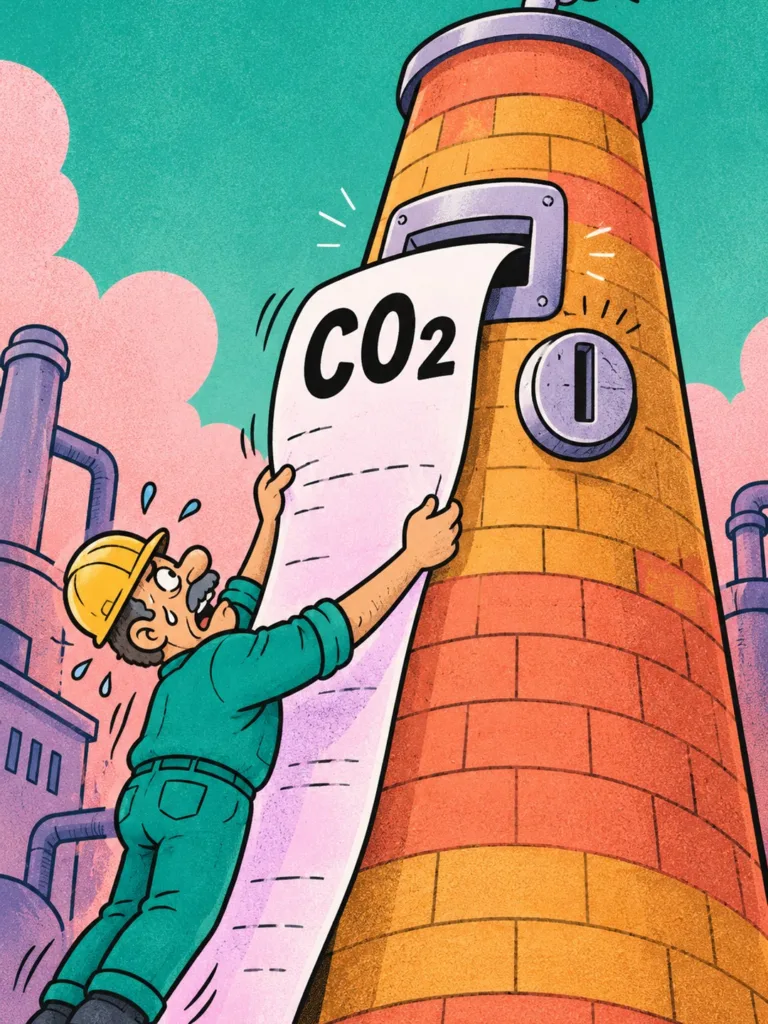
But the real point lies elsewhere. The carbon allowance is a market where the government decides how many units exist. When the government cuts the number, the price rises, and that price becomes a cost for companies that emit a lot.
- What is actually bought and sold in the carbon allowance market?
The emissions trading scheme (started in 2015) lets companies emit greenhouse gases only up to the allowances they hold. One allowance equals one ton of greenhouse gas. A company that falls short buys more on the market, and one with a surplus sells. KAU25 and KAU26 are the allowances used to settle emissions from last year and this year, respectively.
Think of the pay-per-bag trash bags Korean households must buy: you need a bag for everything you throw away. The difference is that the government decides in advance how many allowances go into circulation nationwide.
- Why did the price triple in a year?
For the five years from 2026 to 2030, the government set the emissions cap (the limit on greenhouse gases that all covered companies together may emit) at 2.5373 billion tons. That is 16.8% below the previous period's 3.04825 billion tons.
The government cuts supply → once the shorter period begins, power companies and businesses rush to secure allowances early → the price jumps. Korea Economic Daily reported that this was behind the latest surge. This year's allowance traded in the KRW 15,000 range until May, but has stayed near KRW 30,000 since September.
Put simply, with the same demand and fewer units, the price rose. It is like cutting the seats in a concert hall: ticket prices go up.
- Whose cost does this price become?
Take a hypothetical factory that is 10,000 tons short of allowances. At KRW 8,800 per ton that is KRW 88 million (about $65,500), but at KRW 29,450 it is KRW 294.5 million (about $219,000) (hypothetical calculation). Its emissions are the same, yet the cost is about 3.3 times higher.
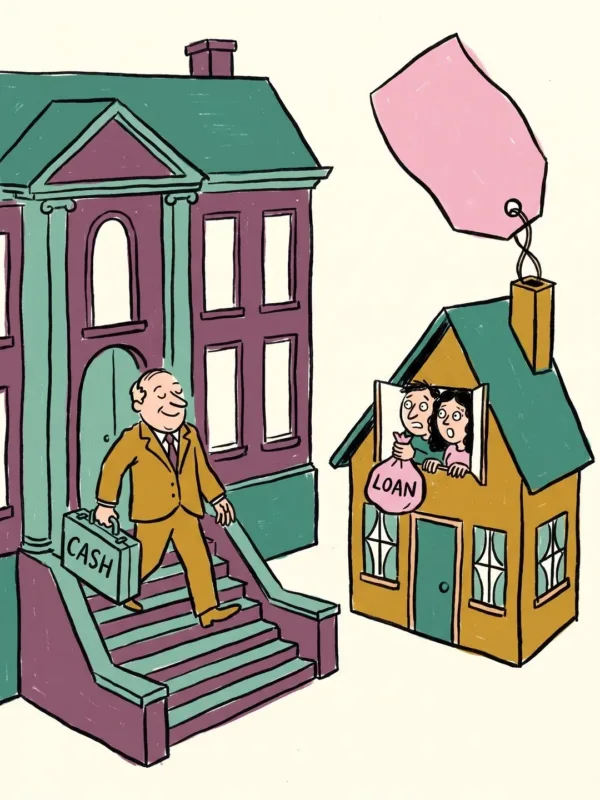
Analysts say that heavy emitters such as steelmakers POSCO and Hyundai Steel could take a direct hit. Steelmakers get their allowances 100% free, but when they emit more than their allocation, they must buy the shortfall.
Power companies are in a different position. Under the government's November 2025 plan, the share they must pay for at auction (paid allocation) will rise step by step from 15% in 2026 to 50% in 2030.
- Which products profit on the other side?
European carbon allowances fell as low as 69 euros per ton in February and rose to 86 euros in October. Europe, too, is cutting its cap on issuing allowances.
The 'KODEX Europe Carbon Allowance Futures ICE (H)' ETF, which tracks them, returned 16.99% over the past six months. Over the same period, the 'KODEX WTI Crude Oil Futures (H)' ETF, which tracks the international oil price, returned 15.78%. Had you put in KRW 10 million (about $7,450), your gains over the past six months would have been about KRW 1.7 million ($1,270) and KRW 1.58 million ($1,180) (hypothetical calculation, past returns).
These products follow European allowances, not Korean ones. Still, when global allowance prices rise, Korean prices tend to move with them. The principle of cutting supply is the same. A higher price is a cost for the companies that emit and a gain for those who hold allowances.
- What changes next?
The supply cuts are expected to continue. The government aims to cut the emissions cap to 360 million tons by 2030. That is the 2030 target, not a five-year total. A Carbon Neutrality Framework Act, which calls for cutting net emissions by at least 84-90% from 2018 levels by 2045, also passed the National Assembly in August. If prices keep rising, banks and institutional investors may join the trading and push prices up further, some forecasts say.
Prices rose in Europe, too, after it cut its issuance limit. What is new this time is that a Korean market stabilization reserve starts with this period. It is a tool that uses 85.28 million tons, which the government holds back instead of handing out to companies within the cap, to keep prices from spiking or plunging.
- BITPRESS Insight
Carbon neutrality sounds like a feel-good slogan, but for people who own stocks it is a cost sheet. The more the government shrinks the emissions cap, the higher allowance prices go, and that price becomes a cost burden for heavy emitters such as steel and power companies.
Choi Gwan-soon, a researcher at SK Securities, said, “Carbon neutrality is no longer a matter of good intentions; it has become an important variable that determines corporate financial results.” By contrast, products that track allowance prices profit from the same change.
So when you read carbon news, look first not at whether the environment is improving but at whose cost the reduced cap becomes and which product profits from it.
Sources
https://www.hankyung.com/article/2026101144481
https://www.hankyung.com/article/202609220260i
https://www.heraldk.com/article/2025111000481339526
https://news.tf.co.kr/read/economy/2260922.htm
Glossary
Emissions trading scheme — A system that lets companies emit greenhouse gases only up to the allowances they hold, with shortfalls and surpluses bought and sold on a market.
Emissions cap — The limit on greenhouse gases that all covered companies together may emit in a set period; it is the maximum number of allowances in circulation.
Paid allocation — A method in which the government sells allowances at auction instead of giving them away, so companies pay to get them.
KAU25·KAU26 — Allowances used to settle emissions from last year and this year, respectively; the number is the year.
Market stabilization reserve — Allowances the government keeps back instead of handing them to companies, so that prices neither spike nor plunge.
BITPRESS articles are information to help your investment decisions, not a recommendation to buy or sell any stock or coin. Investment decisions and their results are your own responsibility.