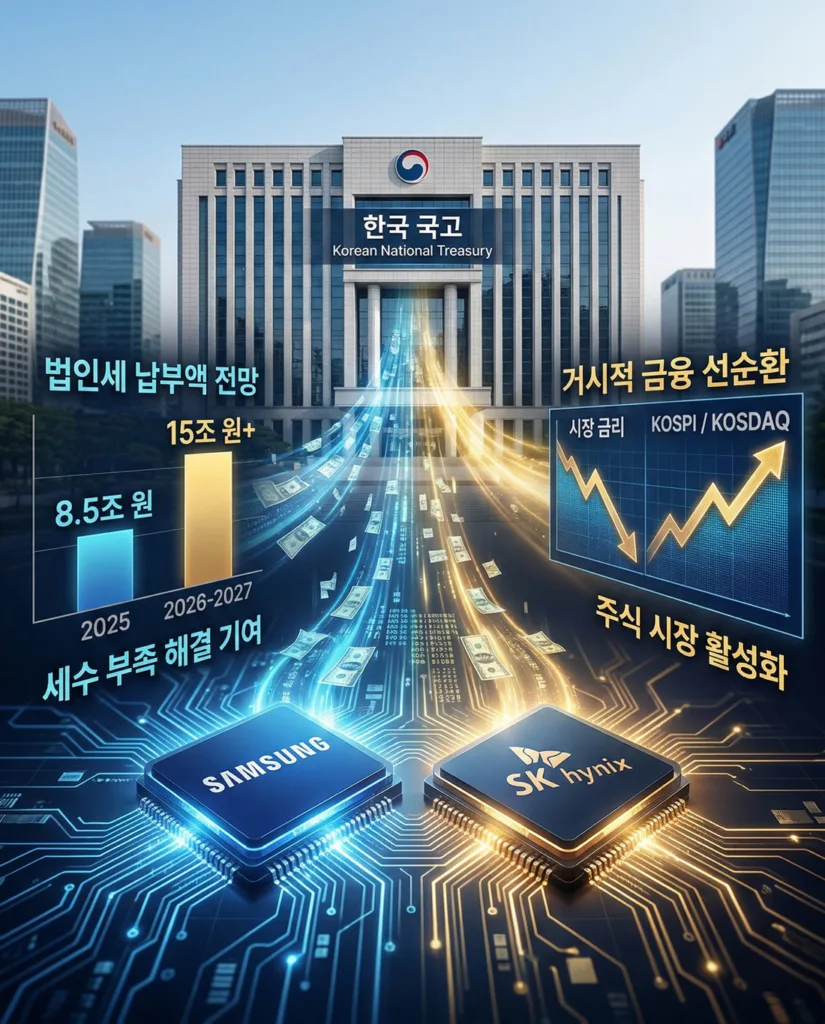
The record sales at Samsung Electronics and SK hynix that have been heating up the stock market are doing more than exciting investors; they are raising a big question for the national economy as a whole. Over the past few years, Korea has struggled with a serious tax revenue shortfall, the so-called ‘tax revenue hole,’ which has weighed heavily on the government's fiscal management. Against this backdrop, many people are wondering whether the stellar results of the country's two chip giants can refill the empty national coffers and breathe new life into the stock market. Going beyond news that the companies simply made a lot of money, let's walk through, with concrete numbers and in logical order, the chain reaction this huge flow of capital sets off in actual tax data, the macroeconomy and the stock market we invest in.
- KRW 8.5 trillion in 2025 corporate tax: the shock that opens a turnaround
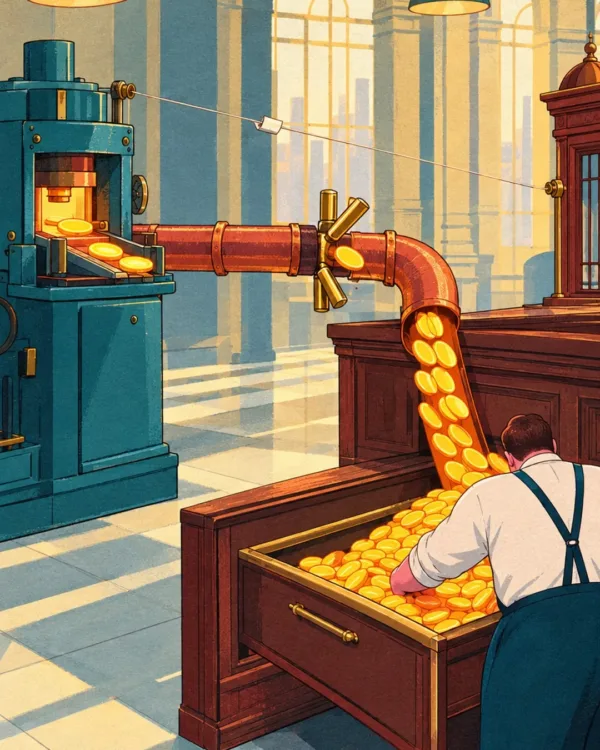
The first thing to check is the two companies' actual tax payment data, released recently. According to major disclosures published early this year, the corporate taxes Samsung Electronics and SK hynix paid based on their 2025 results came to KRW 2.8 trillion and KRW 5.6 trillion, respectively, well over KRW 8.4 trillion combined. That is more than five times the previous year, when the chip downturn hit them hard, and it proves in numbers that the two companies account for a large share of the country's total corporate tax revenue. What stands out in particular is that SK hynix, which got ahead in the high-bandwidth memory market, paid twice as much corporate tax as Samsung Electronics, a vivid sign that the explosion in AI chip demand is shaking not only corporate earnings but the structure of national tax revenue. Recalling that during past chip downturns the two companies' corporate taxes plunged and became a major cause of the revenue hole, this KRW 8.5 trillion payment has clearly been a powerful rain on a tax revenue drought.
- 2026 and 2027: the butterfly effect of KRW 200 trillion in operating profit
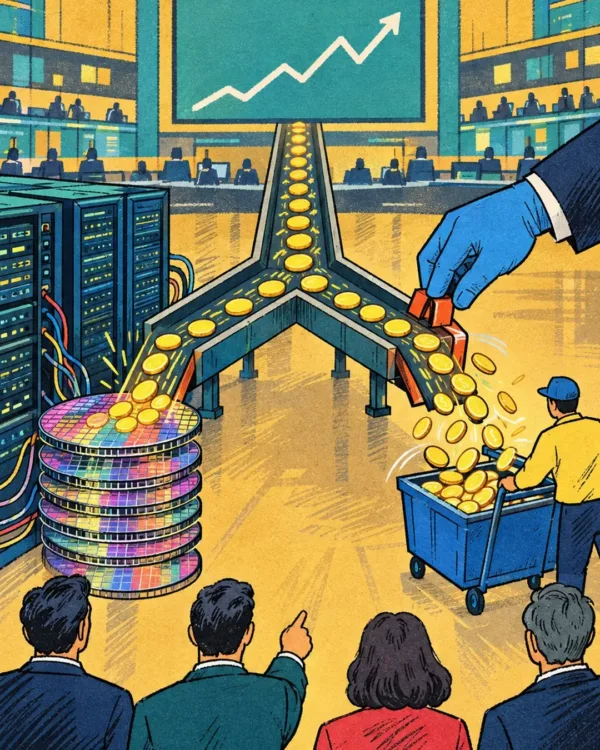
So what does the outlook look like? Let's reason it through based on forecasts from brokerages and market experts. The market expects the current memory supercycle to last until 2027, and the dominant rosy forecast is that the two companies' combined operating profit will reach around KRW 200 trillion as early as 2026. If operating profit grows this explosively, the corporate tax the two companies owe next year and the year after is likely to surge to KRW 15 trillion to KRW 20 trillion. On top of that, their strong results don't end with higher corporate tax; astronomical bonuses paid to employees lead to a sharp rise in earned income tax. As spending by tens of thousands of employees increases, domestic demand picks up, which boosts sales at self-employed businesses and other companies and in turn raises value-added tax revenue like a relay, creating a huge virtuous cycle.
- The macro impact of fiscal health on the stock market
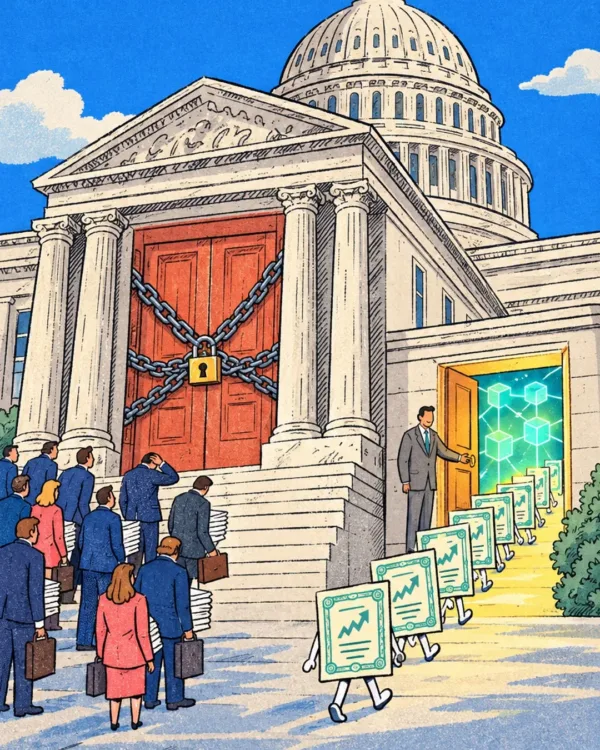
If huge taxes are collected from 2025 through 2027, led by these two companies, we can reasonably predict from a macro perspective how this will affect the stock market we invest in. When the government runs short of tax revenue, it has no choice but to borrow to run the country, and when the government bonds issued for this flood the market, they push up market interest rates, a negative that pulls money out of stocks and into bonds. But if the government's coffers are filled by the massive tax payments of Samsung Electronics and SK hynix, it can sharply reduce bond issuance, which leads directly to lower, more stable government bond yields. As market rates stabilize, investment money is more likely to flow back into stocks, a risk asset, and the government, with more fiscal room, can restore cut R&D budgets or invest in new industries, providing a very strong upward driver for the stock market as a whole.
BITPRESS Insight
In conclusion, the stream of corporate tax payments from Samsung Electronics and SK hynix, starting at KRW 8.5 trillion in 2025 and expected to grow to more than KRW 15 trillion in 2026 and 2027, is more than a tax payment; it is a key that gives Korea's public finances room to breathe. Beginner investors should not see news of a company's sales only as a chance to buy that stock, but should practice reading the macro flow of money that runs from higher corporate tax to reduced government bond issuance, stable interest rates and more liquidity in the stock market as a whole. The moment you understand the movement of the giant gears of taxes and interest rates hidden behind fragmentary earnings news, your view as an investor will widen by a whole dimension.