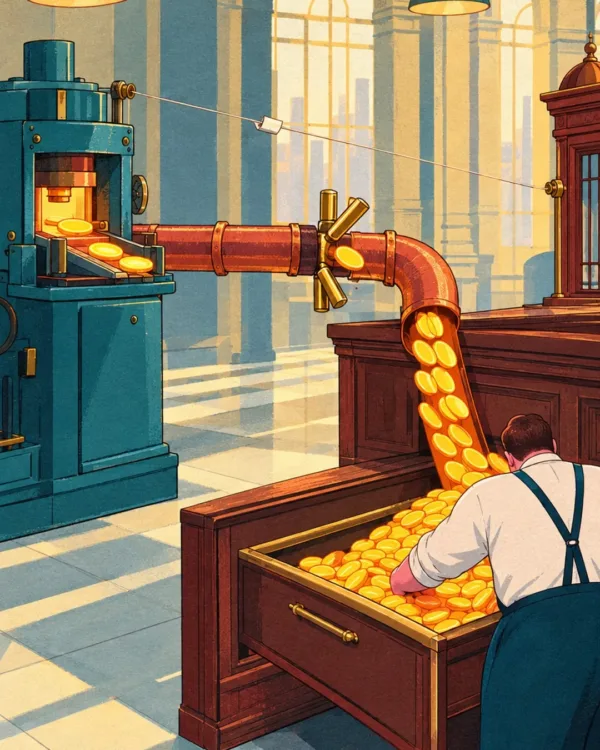
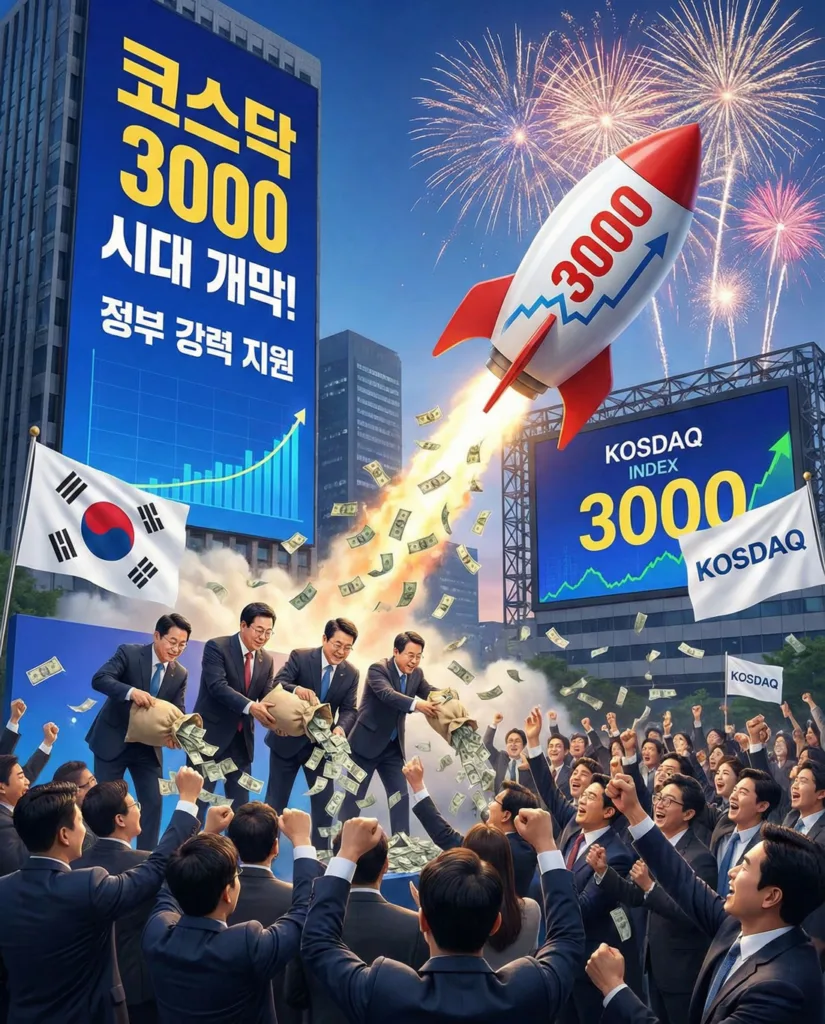
KOSDAQ breaking 1,000 after KOSPI hit 5,000 is not a simple joint rally; it is closer to the start of a new experiment: “a growth stock index nurtured by policy.”
1. KOSDAQ 1,000: the number that erases 30 lost years
The KOSDAQ 1,000 mark means more than just reclaiming a past high.
Since the index was introduced in the late 1990s, the KOSDAQ has gone through several changes to its calculation method and market restructurings, suffering the dot-com bust and a long stagnation along the way.
Today’s 1,000 level is closer to “finally getting back to the baseline it was designed around.”
Considering 30 years in which home prices, consumer prices and wages have jumped several times over, one could argue the growth-stock market has only just returned to the starting line.
Seen this way, the KOSDAQ 3,000 debate is less about “bubble or not” and more about whether a payoff phase for 30 years of stagnation can open up.
2. After KOSPI 5,000, why KOSDAQ became the next target
1) An alliance between politics and the market
KOSDAQ was a “policy-made market” from the start.
It was built with clear goals — boosting venture companies, growing the capital market and helping small and tech firms raise money — so political messages still get consumed as market stories right away.
Lately, both the ruling and opposition parties have been raising the same keywords at once: adjusting pension fund allocations, easing taxes and loosening regulation.
Whether or not the policies actually work, the moment a perception forms that “the government is backing KOSDAQ,” its premium as a growth-stock index can be re-rated once again.
2) The lessons KOSPI 5,000 left behind
KOSPI 5,000 left investors with two things.
First, the experience that “even a number that looks absurd can eventually be reached.”
Second, the regret that “if you miss the rally in the index and large caps, digging into individual stocks alone makes it hard to keep up with market returns.”
Both lessons apply directly to the KOSDAQ 3,000 scenario.
When the index, policy and large caps move together, investors who hit the limits of stock-picking are likely to return to the index.
3. The real drivers toward KOSDAQ 3,000: the index, sectors and money flows
1) The index: the weight of KOSDAQ 150 leverage
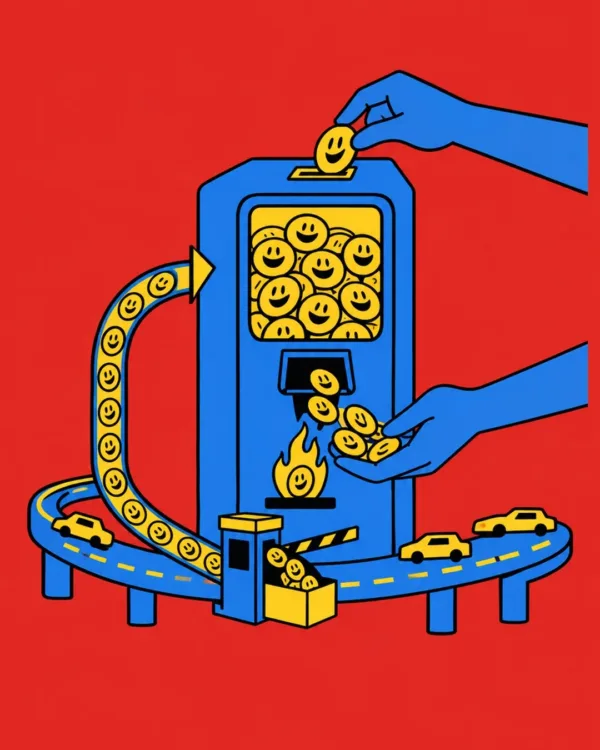
A notable change this time is that investors are moving not around “KOSDAQ as a whole” but around the KOSDAQ 150 and its leveraged products.
Made up of the 150 largest companies by market cap, the index is heavy in growth sectors such as biotech, secondary batteries, and semiconductors and robotics, and its deep liquidity makes it easy for derivatives and ETF money to flow in.
Add leveraged ETFs that track twice the daily return, and index gains feel far stronger.
When KOSDAQ rises 5% and a leveraged ETF jumps as much as 16–17%, it shows the structure: you are not “buying KOSDAQ with leverage” but “buying a concentrated growth-stock basket called the KOSDAQ 150 with leverage.”
2) Sectors: three engines running at once
At the top of KOSDAQ, three pillars are now running at the same time.
- Biotech: Companies with technology-licensing deals, clinical data and platform technologies are back in the spotlight, and licensing news is having a bigger effect on the index.
- Secondary batteries: Short covering and long-term growth stories overlap, so even though these stocks have already risen a lot, their volatility passes straight into the index.
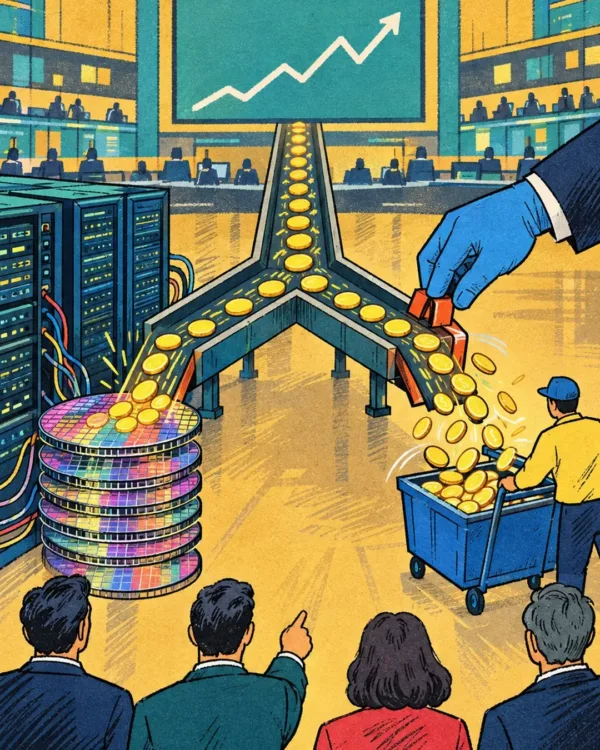
- Chip materials, parts and equipment: Expansion and investment plans by the big memory makers on the KOSPI provide support from below, and equipment and materials firms serve as an “indirect semiconductor play” within the KOSDAQ index.
What is different from the past is that all three pillars are working at once.
Unlike periods when only one theme stood out, rotation among growth themes is now happening at the index level, which makes the index itself more elastic.
3) Money flows: a return to “buy the whole market”
Even investors trying to win with individual stocks end up judging their results against the index.
The KOSPI 5,000 rally exposed that gap in the extreme, and the experience shifted investors toward the view that “you should hold at least some portion in an index.”
The same logic is likely to repeat on KOSDAQ.
Rather than bearing the full risk of individual biotech, battery and robotics stocks, more investors may try to buy “growth stocks as a whole” through the KOSDAQ 150 or related ETFs.
4. Why leveraged ETFs should be used differently this cycle
Leveraged ETFs are structurally bad for long-term holding.
Because they track twice the daily return, in choppy markets the math quickly erodes your principal.
That does not mean ruling them out entirely is the answer.
When you have strong conviction about the index’s direction and a limited time window (right after a policy announcement, or while an early trend is forming), they are a tool you can use for a portion of your account.
In the end, the key is Allocation and holding period.
- Keep medium- to long-term positions in individual KOSDAQ growth stocks,
- and use index and leveraged ETFs briefly and lightly as “bets on market direction” — that is closer to a realistic way to withstand this cycle’s volatility.
5. KOSDAQ 3,000: the questions to ask before the number
To discuss KOSDAQ 3,000 seriously, a few questions need answers first.
- How consistent will policy be
- The key is whether pension fund allocations, tax breaks and deregulation can last at least three to five years regardless of elections or changes in government.
- Is there room for the growth story to change
- If 3,000 is discussed while relying only on biotech, batteries and semiconductors, the index is bound to wobble when any one of those sectors turns down.
- It is worth watching whether new growth pillars (e.g., robotics, AI services, green infrastructure) emerge.
- How much has the investor base changed
- If the market is driven by short-term leveraged retail money, declines in a correction will inevitably be steeper.
- Whether the share of institutions, pension funds and long-term money rises is likely to decide what happens “after 3,000.”
BITPRESS Insight
Viewed as just a number, KOSDAQ 3,000 can easily look like “a bubble all over again.” But taken apart from the angles of policy, structure and products, this KOSDAQ rally has several important differences from the IT bubble of the early 2000s.
Right now, rather than piling on too much leverage, deciding in advance “under what conditions you will aggressively buy the KOSDAQ index in the next crash” may be a cooler-headed way to use a policy-driven market.
Alignment between policy and product design
In 1999, when the venture bubble burst, the KOSDAQ index lost 90% of its value, and the exchange had to rework the index units to save face.
Today, index-based products such as the KOSDAQ 150, leveraged ETFs and sector ETFs are already in place, so policy is designed to connect directly to “the index and ETFs.”
This means that rather than policymakers picking individual stocks to push up, a structure that applies leverage to the whole marketis what it has evolved into.
A shift in perspective to “buying the whole market”
Instead of putting KRW 10 trillion-scale market caps on individual robotics, biotech and battery stocks, more investors are treating KOSDAQ’s total market cap (about KRW 560 trillion) as a single asset class.
This is close to buying Korea’s “growth option” in one go while sidestepping the lifespan risk of individual themes. From the industry’s point of view, KOSDAQ is gaining a new positioning: not a “venture theme bazaar” but a “Korean growth-stock index.”
How to prepare for the next cycle
If this structure holds, the real opportunity is more likely to come not in the current surge but after the next crash cycle.
As the video also notes, after shocks like the global financial crisis and the pandemic, KOSDAQ and KOSDAQ leverage have shown the fastest V-shaped recoveries during rebounds when every policy tool was deployed.