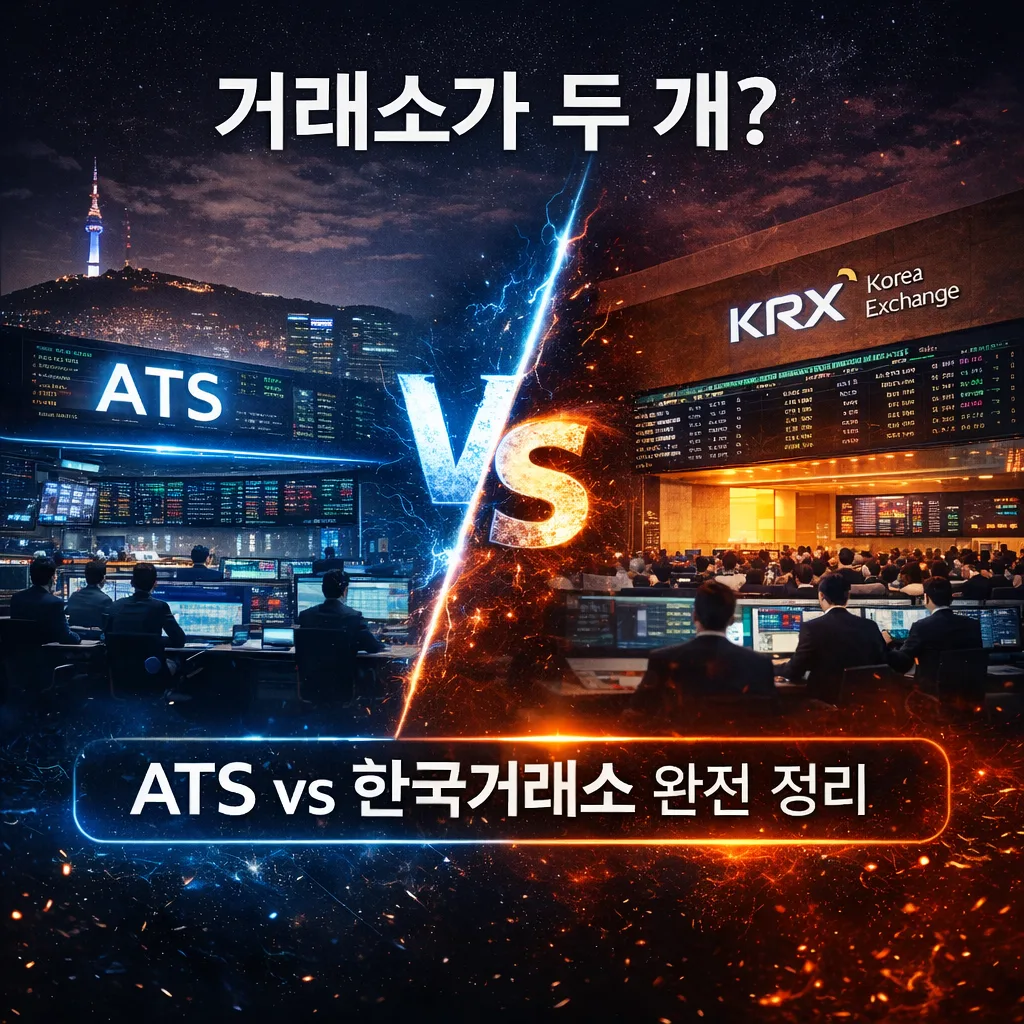
"Two stock exchanges? So do they sell Samsung Electronics separately on each?" "Wasn't the exchange run by the government?"
Investor confusion is growing after Korea Exchange (KRX) announced it would extend trading hours to 12 hours. The bottom line: there are now two "stock shopping malls."What changes, and how will it affect your returns? BITPRESS has gathered just the facts.
1. [Fact-check and correction] Korea Exchange is not a "nonprofit"
Our earlier answer described Korea Exchange as a "nonprofit corporation," but that was an error..
- What it actually is: Korea Exchange is a **"for-profit corporation"** that pursues profit. It is a private company whose shares are held by brokerages and others, but because it carries out "public functions" entrusted to it under the Financial Investment Services and Capital Markets Act, it is simply supervised like a public institution.
- How it differs from an ATS (Nextrade): KRX also plays "referee," handling listing reviews, disclosure management and market surveillance, while an ATS is a "specialized exchange" that focuses only on "order matching."
2. Why did competition suddenly arrive? (The shock of 3.8% → 32.4%)
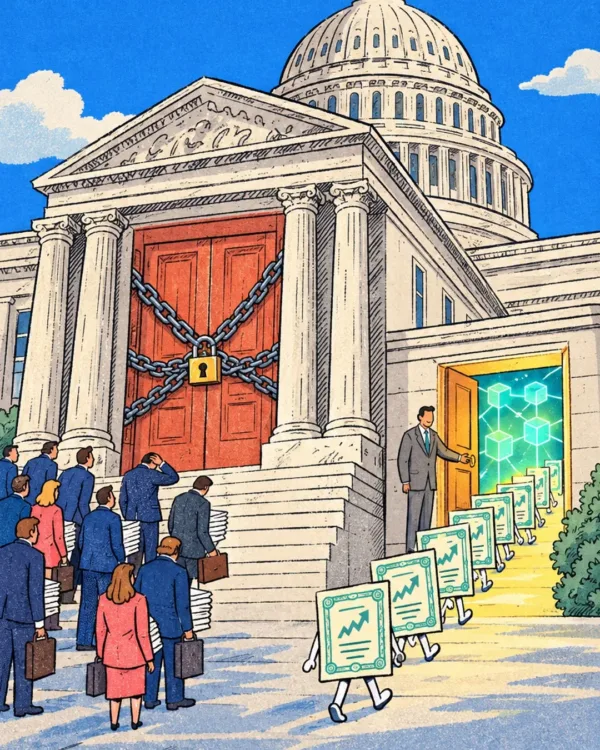
It didn't happen simply because "it wasn't in the law." The real reason is to break the "complacency of monopoly.".
- Nextrade's counterattack: Nextrade, the alternative trading system (ATS) launched this year, was the first to offer 12-hour trading from 8 a.m. to 8 p.m.
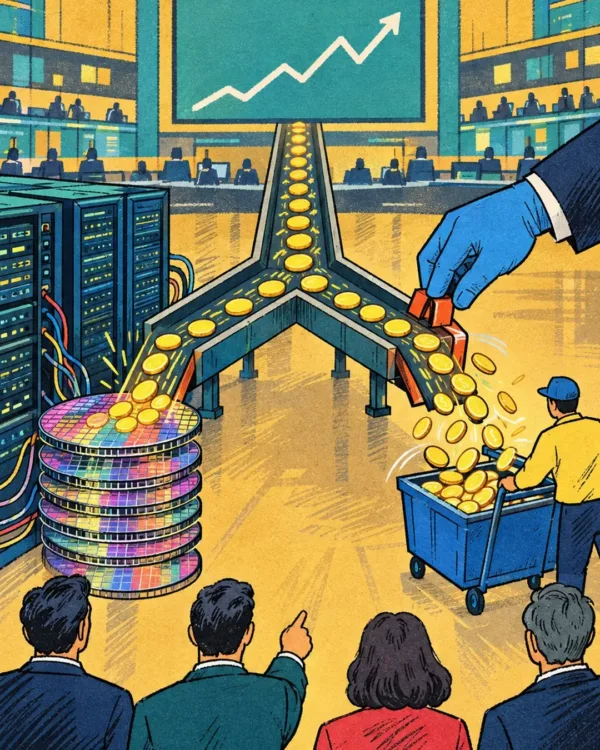
- Market reaction: Nextrade's market share, just 3.8% at launch, soared to **32.4%** in only six months. That is why Korea Exchange, at risk of losing its customers, hurriedly played the "12-hour extension" card.
3. Are there problems with fees and prices?
- Price: A share of Samsung Electronics is the same stock wherever you buy it. If prices diverge, algorithms immediately arbitrage the gap to bring them back in line.
- Fees: The venue that executes the trade collects the fee. Nextrade sets its fees lower than KRX to stay competitive.
- Infrastructure: Even though the trading venues differ, both share the existing national infrastructure for **clearing and settlement (Korea Securities Depository)** and **market surveillance (Korea Exchange)**, so there is no difference in safety.
4. [Update] The exchange's "real" agenda: a KOSDAQ shake-up
It is not just extending hours. Through this overhaul, Korea Exchange is sharply tightening "oversight."too.
- Reorganization: The exchange will hold a board meeting on the 29th to approve a new task force to build the system.
- KOSDAQ oversight: In particular, it will expand the teams dedicated to KOSDAQ delistings from three to four. The logic is pressure: "We'll give you longer trading hours, but we'll push out weak companies faster."
🔍 BITPRESS Insight: "the crypto-ization of stocks" and our strategy
This change should not be seen as just "longer hours." Here are three key insights from BITPRESS.
- Longer stretches of volatility: Overnight moves in the U.S. market will be reflected in Korean stocks in real time. The era of "responding after you wake up" is over. The rules of the 24-hour crypto market are being transplanted into the stock market.
- Individuals should guard the "chokepoints," not chase "speed": Only AI and institutions can watch screens for all 12 hours. The longer the trading hours, the greater the temptation of herd trading. The discipline to enter only when your own clear entry point comes will decide your returns.
- Benefiting from "service competition" between exchanges: Beyond fee cuts, each exchange will offer a range of reports and analysis tools to attract investors. Investors who use them strategically will get ahead.
Conclusion: The "12-hour war" between Korea Exchange and Nextrade will ultimately create a better environment for investors. But remember: the extra hours also mean longer exposure to risk for your account.