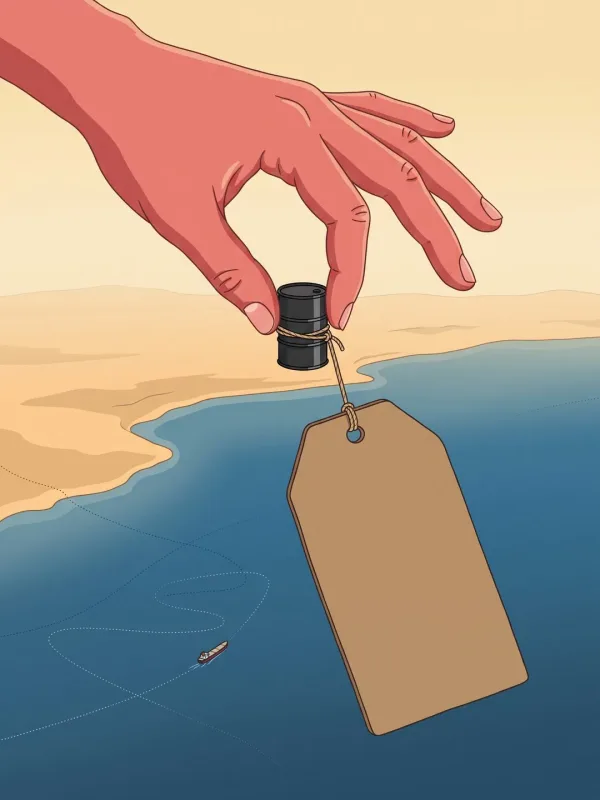

As of the end of August, minors aged 0 to 19 had bought 66 homes worth about KRW 23.1 billion (about $16.5 million). Of that, 56.7%, or KRW 13.1 billion, was reported as "own funds," such as bank deposits and proceeds from selling stocks or bonds. Put another way, on a home that cost KRW 350 million (about $250,000) on average, the buyer put up about KRW 200 million (about $143,000) of their own money. On Oct. 23, Rep. Hwang Hee of the Democratic Party of Korea, who sits on the National Assembly's Land, Infrastructure and Transport Committee, released the Ministry of Land, Infrastructure and Transport's "Status of Funding Plans Filed by Minors over the Past Five Years."
Read the headline and it sounds like "half the price of the home was paid with money the child had." But the point lies elsewhere. "Own funds" does not mean money the child earned. It is a box on the form for money that was not borrowed, the way a mortgage is. It covers deposits and stocks in the buyer's own name, but also gifts and inheritances from family. What separates where that money came from, for tax purposes, is whether a gift was reported.
- What does the 56.7% actually count?
A funding plan is a form that tells the government how a home purchase was paid for. Buyers file it with the local government within 30 days of signing the contract, for every home in regulated areas (speculation-overheated zones and adjustment-targeted areas) and for homes priced at KRW 600 million or more elsewhere (per May reporting). By its name, this data collects the deals that came with a filed plan, so deals that did not require one may be missing.
This year's count is 1.8 times last year's (37), and the value is 9.5% above last year's (KRW 21.1 billion). The reports do not say whether last year's figures cover the full year or the same period. By region, Seoul had the most deals at 53, with own funds at 49.4%. Gyeonggi had 11 deals at 73.9%. Gyeongnam and Busan had one deal each, both 100% own funds.
- Inside "own funds," the deposit box asks whose name the account is in
The plan breaks own funds into types: deposits in the buyer's own name, proceeds from selling stocks or bonds in the buyer's own name, gifts and inheritances from family and others, and other funds such as cash. Gifted money counts as own funds, and the test for the deposit box is "in the buyer's own name."
Filling in the deposit box means submitting a document such as a bank balance certificate. Think of the balance certificate for a paycheck account. It shows how much is there now, but not whether the money was salary or a transfer from a parent. So money a parent moved into a child's account a few years ago can be written in the deposit box, not the gift box. The reports also do not say how the KRW 13.1 billion splits among deposits, stocks and gifts.
- A minor can receive KRW 20 million tax-free over 10 years
Korea's Inheritance and Gift Tax Act exempts up to KRW 20 million (about $14,300) that a minor receives from a lineal ascendant, such as a parent or grandparent, counted over 10 years combined (the gift tax deduction). Anything above that is subject to gift tax and must be reported to the tax office within three months of the end of the month it was received.
This year's own funds per deal for minors average about KRW 200 million, ten times that limit. If all of it had come from parents, then after the KRW 20 million deduction, KRW 180 million would be the amount on which gift tax is calculated. Put simply, even the average is far above the amount that can be given tax-free. The data does not say how much of it was reported as gifts.
- What happens if the money was not reported?
The same law presumes that property a person could hardly have bought on their own, given their job, age, income and assets, was paid for with money gifted to them, in cases set by presidential decree. The presumption does not apply if the source of the money is fully explained. A minor with almost no income is closer to a buyer who could hardly have bought on their own.
Rep. Hwang said: "When someone buys an expensive home in the name of a minor or an infant with no ability to support themselves, the chance of improper transactions is very high, such as disguised gifts in the form of deposits or proceeds from stock sales, or misuse of company funds." He called on the Ministry of Land, Infrastructure and Transport and the National Tax Service, when they confirm suspected tax evasion, to take strict steps such as notifying the tax authority. But this is a point about possibility, and the data does not say how many of the 66 deals involved reported gifts.
- This year's share is higher than the share since 2021
From 2021 to August this year, about six years, minors bought 1,541 homes worth KRW 340.5 billion. Own funds were 41.3% of that (KRW 140.6 billion). This year's 56.7% is more than 15 percentage points higher. That 41.3% already includes this year's deals.
The reports do not give year-by-year shares, so there is no way to tell whether this is the highest in years. What we can say is that more than half of this year's deal value was covered by money that was not borrowed, and for minors with no income, where that money came from remains the open question.
- BITPRESS Insight
"Their own money" says only whose name the money is in now, not who earned it. The deposit box on the plan checks only the balance, so money a parent moved into a child's name in advance can look like the child's deposit on paper. That is how this box can hide the path by which home wealth passes to the next generation.
What tax cares about is not the name on the account but whether the money was reported as a gift when it changed hands. A reported gift is money on which gift tax is paid after the deduction, and an unreported one is money that has to be explained if its source is questioned. That fork is why Rep. Hwang called for notifying the tax authority.
When you receive a home or other assets with family money, the first question is not "was it in an account in my name?" but "did I report it as a gift when I received it?"
Sources
https://www.yna.co.kr/view/AKR20261022172200003
https://www.goodnews1.com/news/articleView.html?idxno=465449
https://news.mtn.co.kr/news-detail/2026051010493039180
https://korea.legal//---/
https://www.law.go.kr/LSW/lsLinkProc.do?lsNm=&joNo=005300000&mode=11
https://www.law.go.kr/LSW/lsLinkProc.do?lsNm=&joNo=004500000&mode=11
https://www.law.go.kr/LSW/lsLinkProc.do?lsNm=&joNo=006800000&mode=11
Glossary
Funding-plan filing — A form filed with the local government when buying a home, listing where the money came from: deposits, stocks, gifts, loans and so on.
Own funds — The part of a funding plan that is not borrowed money: deposits, proceeds from selling stocks, gifts, inheritances and cash.
Gift tax deduction — The amount received from family over 10 years combined on which no gift tax is charged; for a minor receiving from a lineal ascendant it is KRW 20 million.
Presumed gift — A tax rule that treats property a person could hardly have bought on their own, given age and income, as gifted if the source of the money is not explained, in set cases.
Disguised gift — Passing wealth to someone while making a gift look like something else, such as a deposit, a loan or a purchase, to avoid gift tax.
National Tax Service — Korea's tax agency, which collects gift tax and checks whether gifts were reported.
BITPRESS articles are information to help your investment decisions, not a recommendation to buy or sell any stock or coin. Investment decisions and their results are your own responsibility.